
10 Managers sacked this season: Why Europe’s top clubs are running out of patience
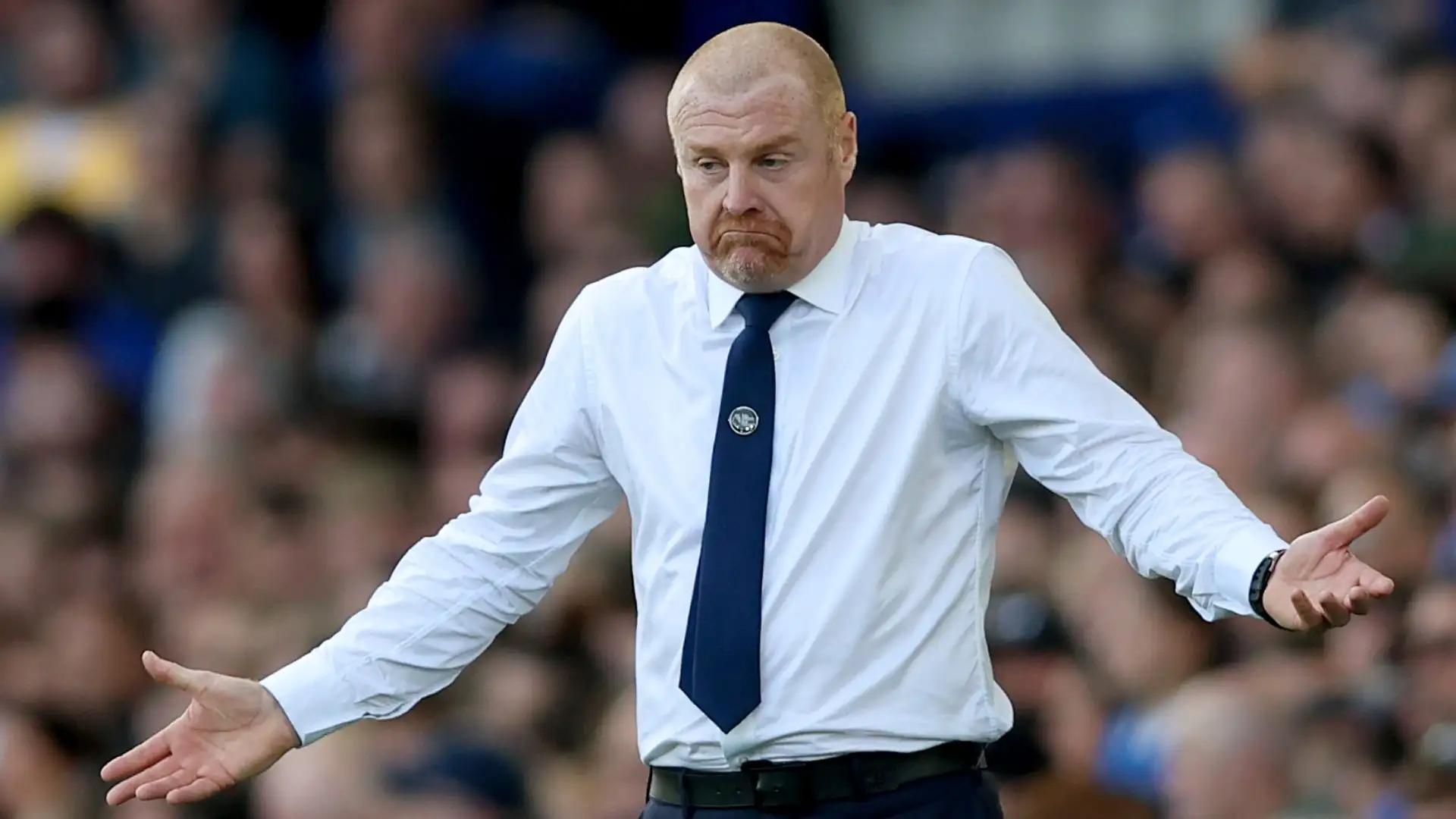
The 2025–26 season has barely settled into rhythm, yet managerial upheaval has already become one of its defining themes. Across Europe’s major leagues, club boards have moved quickly, sometimes ruthlessly, to change direction. Poor results, internal conflicts, fan pressure and ownership impatience have all combined to make job security rarer than ever in elite football.
From England to Italy and Spain, the message has been clear: performances must improve immediately, or consequences will follow. Here’s a detailed look at 10 managers sacked this season, why they lost their jobs, and what their exits tell us.
Sean Dyche – Nottingham Forest
Sean Dyche’s tenure at Nottingham Forest lasted just 114 days. Hired to bring defensive structure and Premier League experience, Dyche struggled to steady a side battling inconsistency and mounting pressure. Results failed to improve sufficiently, and Forest’s ownership moved quickly in search of a different direction.
His dismissal highlighted the club’s ongoing volatility, with Forest becoming one of the season’s most turbulent environments for managers.
Thomas Frank – Tottenham Hotspur
Tottenham’s decision to part ways with Thomas Frank after just eight months underlined the club’s growing anxiety about stagnation. Appointed in June 2025, Frank was expected to bring structure and pragmatism, but Spurs quickly slid into relegation-zone danger. Two wins from 17 league matches left Tottenham hovering just five points above the drop, forcing the board into action.
The dismissal followed a damaging defeat that mirrored similar situations seen elsewhere in the league this season, including Tottenham’s later decision to move on from another head coach after a costly Newcastle loss.
Ruben Amorim – Manchester United
Manchester United’s season unravelled off the pitch as much as on it. Ruben Amorim was dismissed on January 5, 2026, following reported clashes with the recruitment department and growing concern over discipline behind the scenes. While United sat sixth in the Premier League at the time, performances lacked cohesion, and an explosive press conference accelerated the fallout.
The decision echoed United’s recent pattern of short-term managerial experiments, a theme Sportsligue has explored in depth following the fallout surrounding Amorim’s departure.
Enzo Maresca – Chelsea
Chelsea’s sacking of Enzo Maresca on January 1, 2026, raised eyebrows across Europe. Despite delivering the Europa Conference League and FIFA Club World Cup, Maresca paid the price for domestic inconsistency. One league win in seven matches, coupled with internal disagreements over squad usage and recruitment priorities, proved decisive. It was another reminder that at Chelsea, silverware alone no longer guarantees job security.
Vítor Pereira – Wolverhampton Wanderers
Wolves’ gamble on Vítor Pereira backfired quickly. By early November, eight defeats in ten Premier League matches had dragged the club to the foot of the table. Defensive fragility and a lack of attacking identity left the board with little room to manoeuvre, making Pereira’s exit inevitable. The decision came amid mounting pressure from supporters worried about a prolonged relegation battle.
Ange Postecoglou – Nottingham Forest
Nottingham Forest were among the first clubs to act this season. Postecoglou was dismissed after an eight-game winless run, unable to replicate the stability he brought the previous campaign. Forest’s aggressive recruitment strategy left little margin for early-season adaptation, and results failed to justify the patience required for long-term rebuilding. Forest’s season would later take another dramatic turn, continuing a turbulent managerial narrative at the City Ground.
Nuno Espírito Santo – Nottingham Forest
Forest’s instability did not start with Postecoglou.
Nuno Espírito Santo became the first Premier League manager sacked this season, departing on September 8, 2025, following a public disagreement with the club’s ownership. The split highlighted growing tension between managerial autonomy and owner-driven decision-making. Few clubs have embodied the chaos of modern football management quite like Nottingham Forest this season.
Igor Tudor – Juventus
Juventus’ decision to dismiss Igor Tudor reflected the unforgiving nature of elite European clubs. After replacing Thiago Motta in March 2025, Tudor guided Juve to Champions League qualification and appeared to steady the ship. However, an eight-match winless run early in the new season, including three straight defeats, erased much of that goodwill. For a club with title ambitions, even recent success proved irrelevant once momentum stalled.
Xabi Alonso – Real Madrid
Xabi Alonso’s short spell at Real Madrid ended not in failure, but uncertainty. Appointed in summer 2025 on a long-term deal, Alonso departed by mutual consent in January 2026, a day after a 3-2 loss to Barcelona in the Spanish Super Cup final. While Madrid remained second in La Liga, European struggles raised concerns.
The club turned to reserve team coach Álvaro Arbeloa, while Alonso’s future remains closely tied to speculation around Bayer Leverkusen and Real Madrid’s long-term planning.
Graham Potter – West Ham United
West Ham’s separation from Graham Potter was part of a wider leadership reset.
Announced on September 27, 2025, the decision followed a string of underwhelming results and concerns over tactical identity. While Potter was not solely blamed, the board opted for a clean break as pressure mounted from supporters and stakeholders.
A Season defined by ruthlessness
What links these sackings is not just poor form, but fear.
Fear of relegation. Fear of missing Europe. Fear of losing commercial momentum. Modern football has become an environment where long-term vision often collapses under short-term pressure.
With more managerial changes expected before the season ends, the 2025–26 campaign is shaping up to be one of the most unstable in recent memory — and a warning to coaches everywhere that time is no longer a luxury.
Tags
Chris John