
2026 FIFA World Cup: FIFA considers relocating matches from USA to Canada amid immigration policies
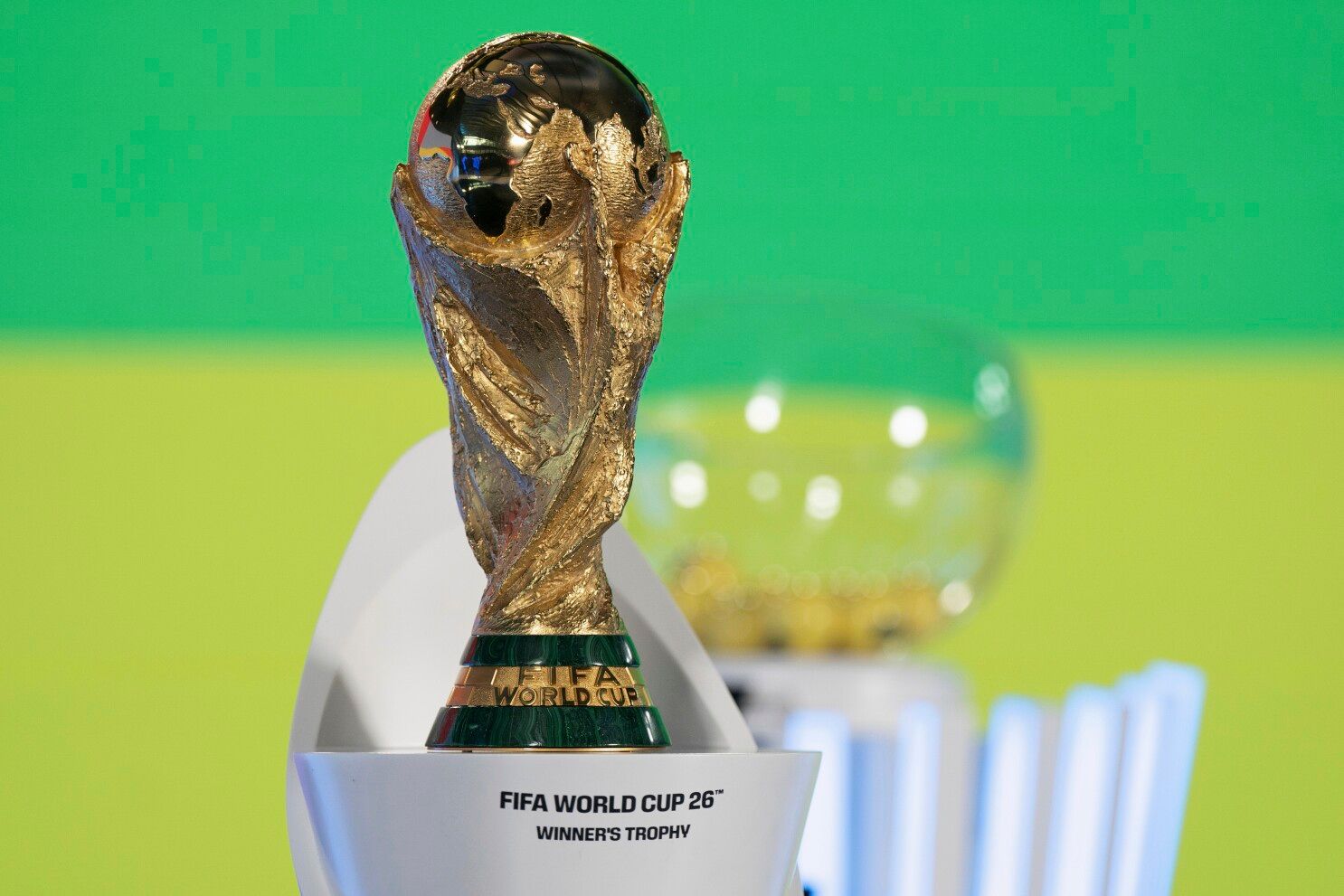
As excitement builds ahead of the 2026 FIFA World Cup, a storm of controversy is threatening to disrupt tournament preparations in one of the host nations, the United States. According to sources close to global football’s governing body, FIFA is seriously considering moving several World Cup matches from the USA to Canada due to escalating concerns over the U.S. government’s restrictive immigration policies.
Why FIFA may relocate matches to Canada
The 2026 World Cup is set to be a historic tournament, featuring an expanded 48-team format and hosted jointly by the USA, Canada, and Mexico. However, FIFA now finds itself under pressure to reassess some of the tournament logistics amid growing criticism from human rights organizations, fans, and media outlets.
The primary concern? An estimated 43 countries currently face travel restrictions to the United States, which may impact not just visiting fans but also support staff, media personnel, and potentially even players.
Iran, one of the qualified nations for the 2026 World Cup, may face the bitter reality of their supporters being barred from U.S. soil, forcing players to compete in empty stadiums, a direct contradiction to FIFA’s stated values of inclusion, non-discrimination, and global unity.
Immigration Policy vs FIFA’s Core Values
FIFA has repeatedly championed its commitment to diversity, accessibility, and human rights, enshrined in its Human Rights Policy and Code of Ethics. However, the current U.S. travel ban list undermines these ideals, especially in a tournament designed to be “the most inclusive World Cup in history.”
The U.S. may have the largest commercial stake and financial infrastructure to host a significant portion of the tournament, but critics argue that money should not outweigh morality or access.
Canada emerges as a viable alternative
In contrast to the U.S., Canada presents a more stable and inclusive environment, free from sweeping travel bans and politically charged entry restrictions. Canadian cities such as Toronto, Vancouver, and Montreal, which are already scheduled to host matches, could see their roles expanded significantly.
Canada's immigration system is widely recognized for its openness and efficiency, offering a politically neutral and logistically sound alternative that aligns more closely with FIFA’s guiding principles.
FIFA’s delicate balancing act
This isn’t merely a logistical decision; it's a political and ethical one. FIFA must weigh its multi-billion dollar commercial deals and stadium partnerships in the U.S. against the global integrity of the tournament.
The potential fallout from maintaining games in a country with exclusionary immigration laws could include international backlash, boycotts, or tarnishing the tournament’s brand image.
What is the 2026 World Cup schedule? When and where are the games? How will it work? What is the format?
According to tournament insiders, a decision on relocating matches is expected by the end of the year, with the final group stage scheduling still pending.
What this means for the 2026 World Cup
If FIFA opts to shift more matches to Canada:
- Canadian host cities may see increased economic and tourism benefits
- FIFA could avoid potential legal or human rights entanglements
- Fan engagement could improve, particularly for nations affected by U.S. travel bans
- Broadcast logistics and security protocols would need urgent restructuring
On the flip side, such a move could strain FIFA's relationships with U.S. sponsors, stadium operators, and governmental stakeholders.
Will Inclusion or Infrastructure win?
As the clock ticks down to the 2026 World Cup, the world watches FIFA’s next move. The organization now finds itself at a crossroads, choosing between the commercial comfort of the United States or the inclusive promise of Canada.
Will FIFA stay true to its values of openness and global representation, or will it prioritize existing financial agreements?
One thing is clear: The decision will shape not just the tournament logistics but the future of football’s global brand in a politically divided world.
Tags

SportsLigue