
AFCON 2025 in Morocco: Dates, Groups, Venues, Favourites and Everything to Know
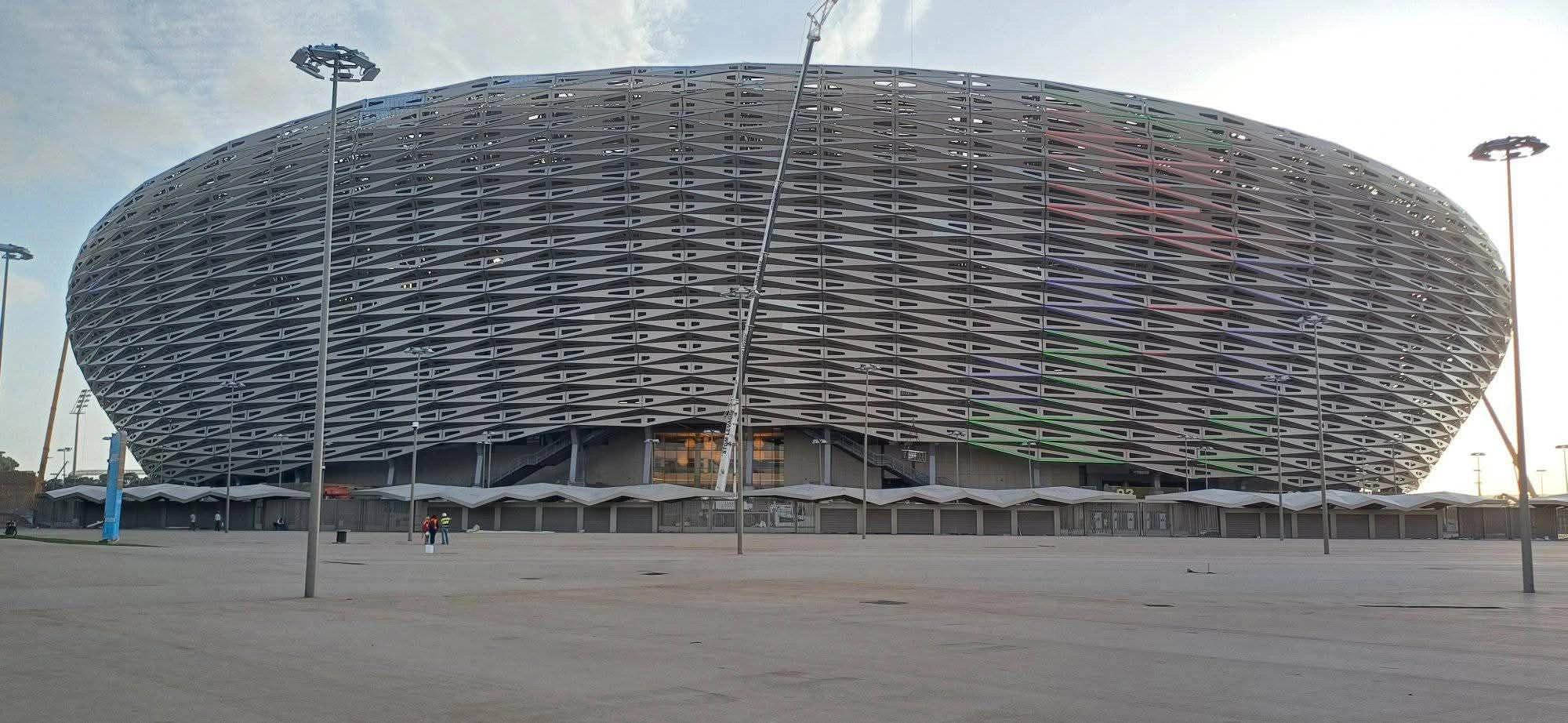
African football takes centre stage this December as the 35th edition of the Africa Cup of Nations (AFCON 2025) kicks off in Morocco, bringing together the continent’s finest national teams, biggest stars and passionate supporters.
With defending champions Ivory Coast returning, host nation Morocco chasing glory on home soil, and powerhouses like Egypt, Senegal and Nigeria in the mix, AFCON 2025 promises drama, quality and moments that will echo well beyond the tournament.
Here’s a complete guide to everything you need to know.
Key Dates and Match Schedule
AFCON 2025 will run from December 21 to January 18, making it the first edition to be staged across the Christmas and New Year period.
- Group Stage: December 21–31
- Round of 16: January 3–6
- Quarterfinals: January 9–10
- Semifinals: January 14
- Third-place playoff: January 17
- Final: January 18
The final will be played at the 69,500-capacity Prince Moulay Abdellah Stadium in Rabat, concluding a 52-match tournament.
Why AFCON 2025 starts in December
The tournament was initially scheduled for June but was moved due to a clash with FIFA’s expanded Club World Cup in the United States.
Calendar congestion caused by the 2026 FIFA World Cup and European club competitions also forced CAF to adopt a December–January window, marking a historic shift for the competition.
Host Nation and Venues
Morocco hosts AFCON for the second time, having previously staged the tournament in 1988. This edition will be played across nine stadiums in six cities, the most venues ever used for an AFCON.
AFCON 2025 Stadiums
- Agadir: Adrar Stadium (45,480)
- Casablanca: Stade Mohammed V (67,000)
- Fez: Fez Stadium (45,000)
- Marrakesh: Marrakesh Stadium (45,240)
- Rabat: Prince Moulay Abdellah Stadium (69,500)
- Rabat: Moulay Hassan Stadium (22,000)
- Rabat: Rabat Olympic Stadium (21,000)
- Rabat: Al Barid Stadium (18,000)
- Tangier: Ibn Batouta Stadium (75,600)
Guinea was originally selected to host AFCON 2025 but lost hosting rights due to infrastructure concerns.
Teams and Groups
Twenty-four nations will compete, divided into six groups of four.
AFCON 2025 Groups
- Group A: Morocco, Mali, Zambia, Comoros
- Group B: Egypt, South Africa, Angola, Zimbabwe
- Group C: Nigeria, Tunisia, Uganda, Tanzania
- Group D: Senegal, DR Congo, Benin, Botswana
- Group E: Algeria, Burkina Faso, Equatorial Guinea, Sudan
- Group F: Ivory Coast, Cameroon, Gabon, Mozambique
Tournament Format
Each team plays three group-stage matches.
- The top two teams from each group, plus the four best third-placed teams, advance to the round of 16.
- The knockout rounds include extra time and penalties if matches finish level.
- A third-place playoff will also be contested.
Player Release Controversy
FIFA ruled that clubs were only required to release players from December 15, leaving national teams less than a week for full preparation.
The decision drew criticism from several coaches, including Mali’s Tom Saintfiet, who described it as disrespectful to African football, especially since AFCON dates were confirmed over a year in advance.
AFCON History and Past Champions
Egypt remain the most successful AFCON nation with seven titles, though they have not won since 2010. Cameroon follow with five titles, while Ghana have four but failed to qualify for this edition.
Ivory Coast lifted the trophy in 2023 after beating Nigeria in the final, claiming their third continental crown. Since AFCON began in 1957, 15 different nations have won the tournament.
Related Article: AFCON History: Complete List of Winners (1957–Present)
Why AFCON matters
AFCON is more than a football competition. It is a cultural celebration that blends sport, identity and national pride.
Seven AFCON 2025 teams have already qualified for the 2026 FIFA World Cup, underlining the tournament’s importance as a benchmark for African football on the global stage.
Former Zambia captain Christopher Katongo summed it up best: AFCON is about pride, history and representing an entire people. For Morocco, the tournament also serves as a major test run ahead of co-hosting the 2030 FIFA World Cup.
AFCON 2025 Title Favourites
- Morocco: Africa’s highest-ranked team at 11th globally, unbeaten in 18 matches and enjoying the advantage of home support as they chase a first AFCON title in 50 years.
- Ivory Coast: The defending champions arrive with confidence after their dramatic 2023 triumph and an impressive, unbeaten World Cup qualifying campaign.
- Nigeria: Three-time AFCON winners and runners-up in the last edition, the Super Eagles boast a deep, attack-minded squad led by Victor Osimhen and supported by a strong core of European-based talent. Their physicality, pace and tournament experience make them one of the most dangerous sides in Morocco.
- Egypt: Seven-time champions driven by Mohamed Salah’s leadership and experience, still chasing their first continental crown since 2010.
- Senegal: Consistent contenders with a balanced, battle-tested squad capable of going all the way once again.
- Algeria & Tunisia: Proven tournament teams who may not be favourites on paper but remain capable of upsetting any opponent over the course of the competition.
Prize Money
Prize money remains unchanged from the previous edition:
- Winners: $7 million
- Runners-up: $4 million
- Total prize pool: $32 million
Tickets and How to Watch
Tickets went on sale via CAF’s official platform, with nearly 300,000 tickets sold across the first two phases to fans in over 100 countries.
- Cheapest tickets start at just over $10
- Final tickets sold out, with prices starting around $43
Broadcast details vary by region, with CAF confirming global television and digital coverage across Africa, Europe, Asia and the Americas.

SportsLigue