
AFCON isn’t just a Tournament; it is Africa’s Football Identity
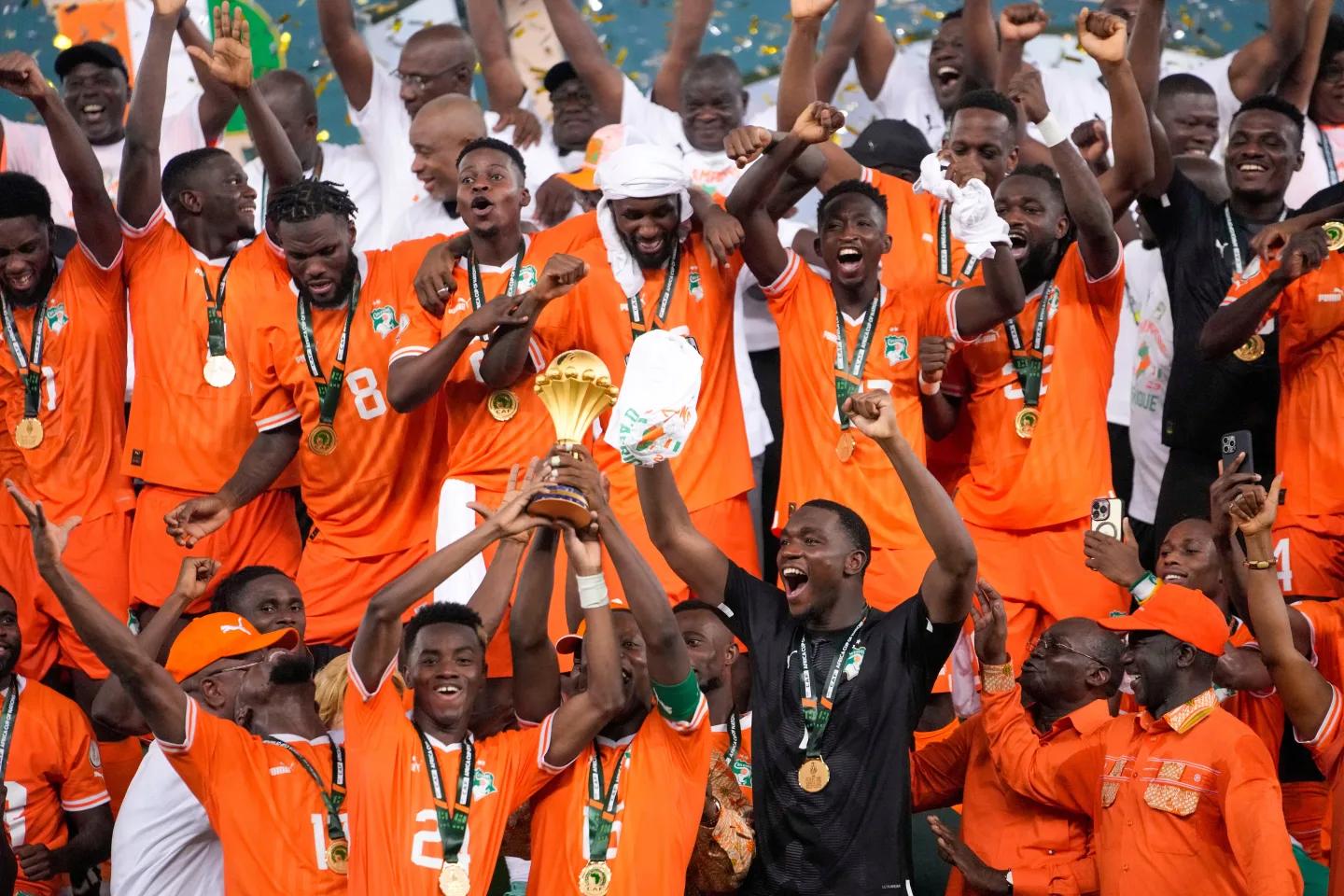
All roads lead to Morocco, where Africa’s finest footballers will converge with one goal in mind, to be crowned champions of the Africa Cup of Nations.
In an era dominated by lucrative club competitions and packed global calendars, AFCON continues to hold a unique place in the hearts of African players. It is more than a tournament. It is memory, meaning, responsibility, and pride rolled into 90-minute battles played for something far bigger than contracts or trophies.
A Tournament built on Identity and Pride
AFCON taps into a deep emotional well that club football can never fully replicate. Representing one’s country carries a sense of honour and belonging that transcends borders, leagues, and club allegiances.
For millions across the continent, the tournament is a shared experience, a celebration of identity shaped by decades of passion, sacrifice, and hope. For players, lifting the AFCON trophy is often regarded as the highest honour of their careers, not only for themselves, but for their families, communities, and nations.
Related Article: Top Five Nations Tipped to Win the 2025 AFCON Title
Augustine “Jay-Jay” Okocha, a key member of Nigeria’s 1994 AFCON-winning team, once captured its essence perfectly.
“It’s very important for an African footballer because nothing is more beautiful than knowing that you are an African champion, that you are the best team in Africa,” he said.
That sentiment continues to drive generations of players who see AFCON not as a distraction, but as destiny.
AFCON as an Audition Ground
One of AFCON’s greatest strengths is its ability to shine a global spotlight on African talent. Scouts, agents, and club executives from around the world closely follow the tournament, searching for strikers with killer instinct, midfielders with vision, defenders with grit, and goalkeepers with command.
History is filled with players who transformed their careers through AFCON performances. A 17-year-old Julius Aghahowa announced himself to the world at the 2000 tournament on home soil, becoming an instant sensation for Nigeria.
Years later, Sunday Mba emerged from relative obscurity to score the goal that delivered Nigeria’s third AFCON title in 2013, forever etching his name into continental folklore.
For players from domestic leagues, lesser-known clubs, or emerging football nations, AFCON remains one of the most powerful pathways to global recognition.
Unity and National Responsibility
Africa is a continent of vast diversity, languages, cultures, ethnicities, and political realities. Yet football has always served as a unifying force, and AFCON stands at the heart of that unity.
It is no coincidence that iconic African leaders such as Nelson Mandela, Kwame Nkrumah, and Nnamdi Azikiwe viewed football as a tool for continental pride and cohesion.
Related Article: AFCON 2025: Five Group-Stage Matches set to shape the tournament
When AFCON begins, everyday divisions fade. Citizens rally behind one flag and one team, creating a rare sense of shared purpose.
Former Zambia captain Christopher Katongo once reflected on that impact. “Winning AFCON changed everything, not just for me, but for our entire country and for how people viewed African football.”
For players, this unity brings responsibility. Wearing national colours means carrying the hopes of millions, a burden that fuels effort, discipline, and pride in a way no club badge can.
![[object Object]](https://cdn.sanity.io/images/5gkjmhor/production/c008321f1da0a42a8e5e48823cb967e0e0ff2f3a-2500x2000.jpg)
Senegal players celebrate after winning the Africa Cup of Nations in 2021
Financial Security and Career Stability
Beyond emotion and identity, AFCON also offers tangible financial benefits.
National federations reward players with bonuses for qualification, match victories, and progression through the tournament. For many players, especially those from modest backgrounds or lower-paying leagues, these earnings can be life-changing.
Strong performances also attract sponsorships and endorsement deals, as brands look to align with breakout stars during one of Africa’s most watched sporting events.
Related Article: AFCON History: Complete List of Winners (1957–Present)
Media exposure during AFCON can significantly boost a player’s market value, strengthen contract negotiations, and open doors to better opportunities. For some, a single tournament can redefine their financial future.
A Direct Path Toward the 2026 World Cup
With eyes already turning toward the 2026 FIFA World Cup, AFCON has taken on added strategic importance.
Impressive AFCON performances influence national team selections, build momentum for World Cup qualifiers, and draw attention from elite clubs worldwide. Nearly every African footballer dreams of competing on football’s biggest stage, and AFCON remains a critical stepping stone toward that goal.
Despite drawing nearly two billion viewers during the 2023 edition, the tournament is still unfairly compared to the Euros or Copa América.
Former Nigerian captain John Obi Mikel pushed back against that narrative.
“The Africa Cup of Nations is as big as the Euros. It’s what inspires African players to greatness,” he said.
Related Article: John Obi Mikel Blasts Jamie Carragher Over AFCON Comments
A strong AFCON sends a clear message that African football is competitive, evolving, and deserving of its place among the world’s elite.
Celebrating African Style and Roots
AFCON is also a homecoming.
It is where players reconnect with the roots of how they learned the game, on dusty pitches, crowded streets, and local fields where creativity thrived. African football has always been defined by flair, rhythm, and expression. Legends like Jay-Jay Okocha, Sadio Mané, Mohamed Salah, and others carried street-football influences into the global spotlight.
At AFCON, that creativity is celebrated, not restrained. Players are encouraged to express themselves, to play with joy and confidence, and to embrace the artistry that defines African football.
The tournament blends speed, strength, and intensity with music, dance, and colour. Drums echo through stadiums, chants ripple across cities, and fans turn matches into cultural festivals. For players, those sounds are reminders of who they represent. Not just a team, but a people, a history, and a way of seeing football.
Why AFCON endures
In a modern game increasingly driven by money and schedules, AFCON remains deeply human. It matters because it connects players to purpose, nations to unity, and football to culture. It shapes careers, changes lives, and preserves the soul of African football.
That is why, year after year, AFCON still matters, and always will.
Photos: Players Arrive in Style
![[object Object]](https://cdn.sanity.io/images/5gkjmhor/production/79ad1d000d6849bf6644505bf7c4e328520328ae-1000x667.webp)
Nigeria
![[object Object]](https://cdn.sanity.io/images/5gkjmhor/production/46618c5658fcbf40fd0766141bf7357adf0886c0-1000x800.webp)
Senegal
![[object Object]](https://cdn.sanity.io/images/5gkjmhor/production/1857dceef7034da2c5e14da6167ecf79f2d98428-1000x695.webp)
Mali
![[object Object]](https://cdn.sanity.io/images/5gkjmhor/production/eca51577822319d3c58ce935464d14e2997da88f-999x562.webp)
Zimbabwe
![[object Object]](https://cdn.sanity.io/images/5gkjmhor/production/33bb7e03a5dea80550743832b51641f2e3c4612e-1440x1920.jpg)
Côte d’Ivoire
![[object Object]](https://cdn.sanity.io/images/5gkjmhor/production/87f66617d5fadc6b1a123d145dffc750ff5170d2-1000x937.jpg)
Comoros
![[object Object]](https://cdn.sanity.io/images/5gkjmhor/production/59ea5fd5a2d51a62941590c0c4adbabe4b8baaa0-999x666.webp)
Burkina Faso
![[object Object]](https://cdn.sanity.io/images/5gkjmhor/production/716b9f647b1296c196e788db1cfcad4e79ad0091-1000x667.webp)
Benin Republic

SportsLigue