
AFCON moves to four-year cycle as CAF launches African Nations League
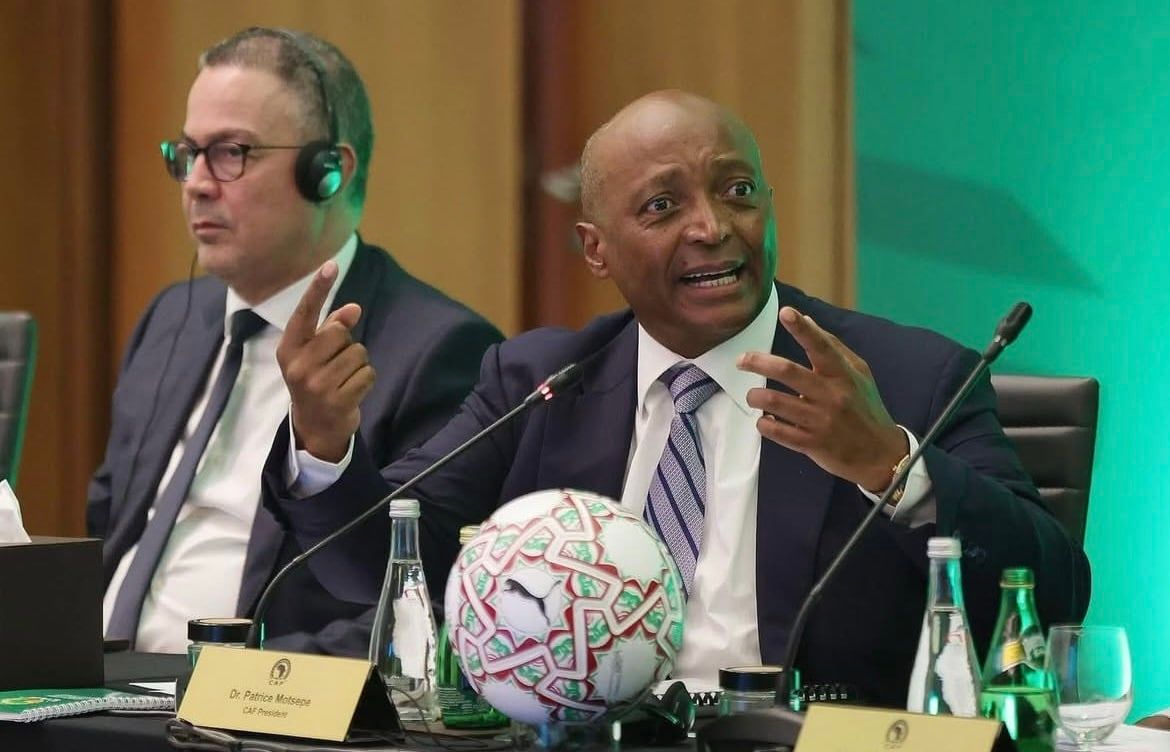
African football is entering a new era following the Confederation of African Football’s decision to overhaul its international calendar, introducing an African Nations League and moving the Africa Cup of Nations to a four-year cycle after 2028.
The announcement was made on Saturday in Rabat by CAF president Patrice Motsepe, just one day before the opening match of AFCON 2025 in Morocco. The reforms represent one of the most significant structural changes in the history of African international football.
Related Article: Patrice Motsepe Secures Second Term as CAF President
AFCON Timeline confirmed until 2032
Motsepe confirmed that the 2027 Africa Cup of Nations, to be hosted jointly by Uganda, Kenya, and Tanzania, will proceed as scheduled. However, the following edition, initially planned for 2029, will be brought forward to 2028.
From that point onward, AFCON will be staged every four years, with the next tournament after 2028 set for 2032. This restructuring clears space in the calendar for the launch of the African Nations League, which is expected to debut in 2029.
African Nations League explained
The newly created African Nations League will involve all 54 CAF member associations and is designed to mirror the UEFA Nations League model, while adapting to Africa’s unique geography.
According to Motsepe, teams will be divided into four regional zones, with matches played during the September and October international windows. The best teams from each zone will advance to a centralized finals event scheduled for November.
“What is new is that in Africa there’s going to be a competition every year where the best African players who play in Europe and worldwide will be with us on the continent,” Motsepe said.
CAF officials have yet to clarify whether the Nations League will be strictly annual or operate on a rotating cycle, but Motsepe emphasized that it would deliver increased prize money, stronger competition, and more commercial opportunities.
Balancing Revenue and Player Welfare
AFCON’s biennial format has long been a crucial source of income for African football federations. However, it has also caused persistent clashes with club football, particularly in Europe where many of Africa’s top players are based.
Motsepe acknowledged these concerns, noting that the congested global calendar has made it increasingly difficult to find suitable windows for AFCON without disrupting domestic leagues and international competitions.
“Our focus now is on this AFCON, but we also have a duty to the players from Africa playing for the best clubs in Europe,” he said. “We want to make sure the football calendar worldwide is more in harmony.”
Why the change was necessary
In recent years, AFCON has been forced to shift dates repeatedly due to weather conditions, World Cup schedules, and FIFA tournaments. The competition moved to June and July in 2019 to avoid mid-season disruption, before reverting to January-February for the 2022 and 2024 editions.
The expanded FIFA Club World Cup and the new UEFA Champions League format have further complicated scheduling, leaving CAF with limited viable windows.
The current solution places AFCON in December and January, a period that aligns better with winter breaks in some European leagues, though it remains challenging for others, including the Premier League.
Increased Prize Money for AFCON 2025
Alongside the structural reforms, Motsepe confirmed an increase in prize money for AFCON 2025. The tournament winners in Morocco will receive $10 million, up from the $7 million awarded to Ivory Coast after their 2024 triumph.
CAF believes the Nations League will help offset revenue losses from reducing AFCON frequency while maintaining competitive football on the continent every year.
A New Chapter for African Football
With AFCON moving to a four-year cycle and the African Nations League set to debut, CAF is aiming to modernize African football, protect its players, and strengthen its commercial position globally.
If successful, the reforms could redefine how African international football fits into the global game, while ensuring the continent’s best players return home more often to compete on African soil.

SportsLigue