
AFCON targets new heights with Morocco leading the charge for 2025 glory
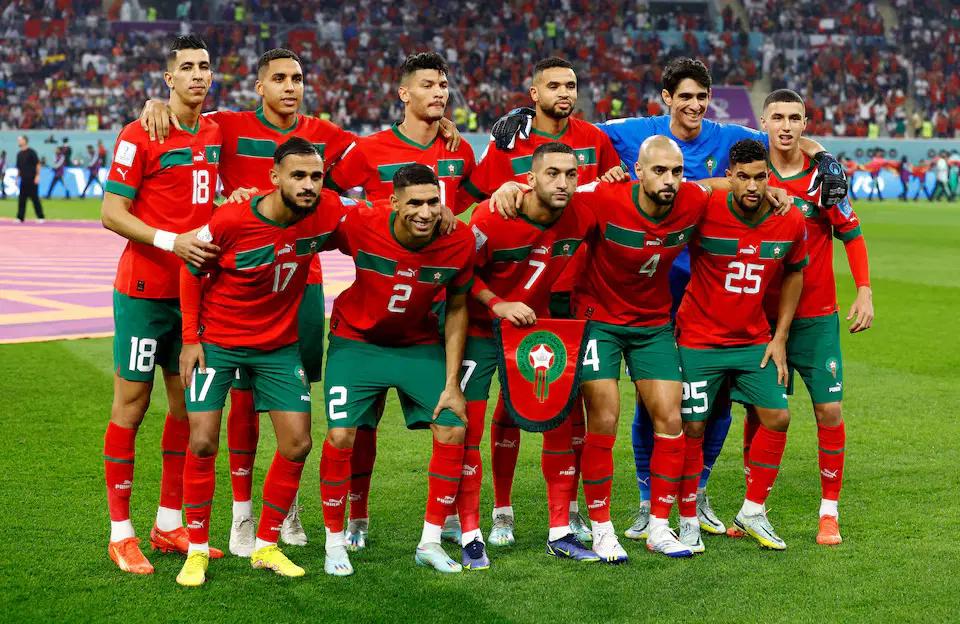
Morocco enters the 2025 Africa Cup of Nations with momentum, home support and a squad confident enough to chase a title that has eluded them for half a century. The Atlas Lions are backed by an extraordinary run of 18 straight wins, a world record in international football, and by the leadership of Achraf Hakimi, whose presence defines both quality and belief across the team.
The hosts are expected to set the pace, but they will not have a clear path. Reigning champions Ivory Coast, Egypt powered by Mohamed Salah, Nigeria with Victor Osimhen and Senegal guided by Sadio Mané all have the potential to derail Morocco’s ambitions.
This edition of Africa’s biggest football showpiece arrives with a deeper global spotlight than ever. From a modest three-team tournament in 1957, AFCON has grown into a 24-nation event capable of drawing vast worldwide audiences. The 2025 tournament kicks off on December 21, carrying decades of history and the weight of modern expectations.
How AFCON Grew Into a Continental Giant
The first AFCON was held in Sudan with only three nations: the hosts, Ethiopia and champions Egypt. South Africa was disqualified for proposing racially segregated teams. Over the decades, the tournament expanded steadily, six teams by 1963, eight by 1968, 12 by 1992, and 16 by 1996. Egypt then hosted the first 24-team competition in 2019, marking a new era for African football.
The Traditional Powerhouses
Egypt remain the most decorated team with seven titles, followed by Cameroon with five and Ghana with four. Ivory Coast and Nigeria have three each, making up the core nations that have dominated 22 of the 34 tournaments so far.
Egypt’s golden generation, marked by Essam El Hadary, Wael Gomaa, Mohamed Aboutrika and Mohamed Barakat, delivered a historic hat-trick of titles between 2006 and 2010. It remains Africa’s most celebrated sustained period of success.
Big Names Missing in Morocco
Two notable absentees, Ghana and Cape Verde, failed to qualify despite securing spots for the 2026 World Cup. Cape Verde managed only one win from six qualifiers, while Ghana endured an even tougher campaign with three draws and three defeats.
Favourites and Dark Horses
Morocco enters as the team to beat, eager to move past the disappointment of last year’s last-16 exit to South Africa. Their main challengers each carry their own complications. Nigeria and Cameroon both missed out on World Cup qualification. Egypt have gone 15 years without an AFCON title. Senegal are looking to correct the mistakes of a flat 2024 campaign.
Among the teams yet to win the title, Mali stands out as a genuine threat. They pushed Ivory Coast to the limit in last year’s quarter-final and feel their breakthrough moment is approaching. Coach Tom Saintfiet summed up their mindset: “We respect everyone, but fear no one. Our ambition is to stay in this competition until the very end.”
Morocco’s hopes also hinge on Hakimi’s fitness after a sprained ankle, with coach Walid Regragui confident the captain will return for their opening match against the Comoros.
Of the ten players shortlisted for the 2025 African Player of the Year award, won by Hakimi, eight could be representing Morocco at the tournament. Cameroon’s André-Frank Zambo Anguissa remains sidelined with injury, while Serhou Guirassy misses out because Guinea failed to qualify.
Read also: Achraf Hakimi crowned 2025 CAF Men’s Player of the Year
Logistics, Frustrations and Financial Stakes
A FIFA decision to adjust the release date of African players in Europe from December 8 to December 15 has frustrated many coaches who already face limited preparation time. Angola coach Patrice Beaumelle voiced what several feel, arguing that Africa’s competitions are still undervalued on the global stage.
From a commercial perspective, the gap between tournaments is enormous. While the 2022 edition in Cameroon brought CAF less than $10 million in profit, the 2025 event is projected to generate around $110 million, driven by soaring broadcast revenue.
Crowds, Atmosphere and the Ongoing Challenge of Matchday Safety
One problem that has often shadowed AFCON is sparse attendance for fixtures that don’t involve the host nation. Ivory Coast made encouraging progress in 2024 with far fuller stadiums, and Morocco believes it can go even further, expecting strong turnouts for all 36 group matches and 16 knockout fixtures.
But enthusiasm brings its own demands. A recent CAF Champions League match between FAR Rabat and Egypt’s Al Ahly raised concerns after sharp objects were thrown onto the pitch. It served as a reminder that strong security, crowd control and discipline remain essential for a smooth tournament.
Morocco now faces the dual task of delivering both football excellence and a well-organized event. With a gifted squad, high expectations, and global attention fixed on the host nation, AFCON 2025 is set to be one of the most closely watched editions in the competition’s history.

SportsLigue