
Australia grants asylum to five members of Iran women’s soccer team amid ongoing conflict
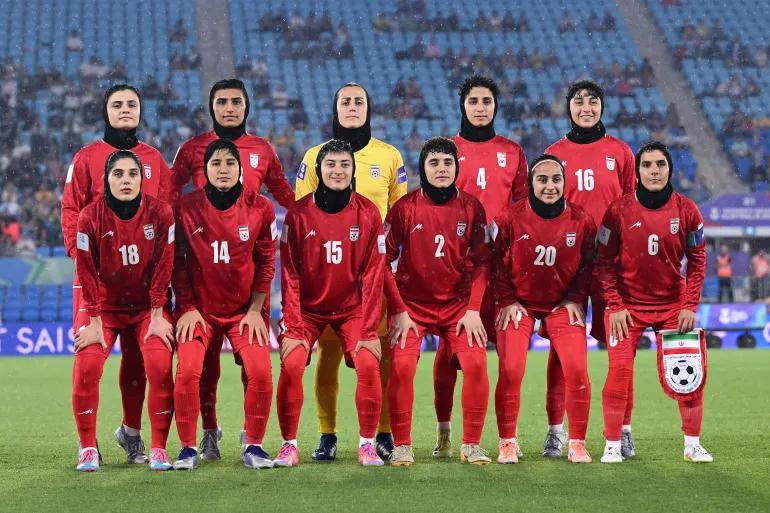
Australia has granted asylum to five members of the Iran women's national football team who were visiting the country for a tournament when conflict erupted in Iran, government officials confirmed Tuesday.
The players had travelled to Australia to compete in the AFC Women's Asian Cup but faced uncertainty about returning home after the conflict began in late February.
According to Australia’s Home Affairs Minister Tony Burke, the players formally requested asylum and were taken from their hotel on the Gold Coast to a secure location where their humanitarian visas were finalised.
Burke described the moment as emotional for the players.
“I don’t want to begin to imagine how difficult that decision is for each of the individual women,” he said, adding that the atmosphere was filled with relief and excitement as they prepared to begin new lives in Australia.
Players seek protection during Tournament
The Iranian team arrived in Australia weeks earlier to participate in the continental tournament. However, the situation changed dramatically when war involving Iran erupted while the squad was still abroad.
Speculation about the players’ intentions began when several team members did not sing the Iranian national anthem before their opening match against South Korea. The moment drew widespread attention across Australian media and among Iranian communities abroad.
Despite the attention, the players themselves avoided making public political statements during the tournament. Officials said the five athletes who accepted asylum made it clear they do not consider themselves political activists.
Iranian community offers support
Members of the Iranian-Australian community played a role in reassuring the players about the options available to them. Migration agent Naghmeh Danai said she visited the athletes at their hotel before the decision was finalised.
“I told them that if they accepted the offer, they would have a great future here and live without the level of suppression they experienced back home,” Danai said.
However, she acknowledged the decision was not easy. The players still have families in Iran and originally travelled to Australia only to compete in the tournament.
Uncertainty for remaining squad members
The Iranian squad included 26 players along with coaches and staff led by head coach Marziyeh Jafari. Australian authorities confirmed that the offer of asylum was extended to all members of the delegation, though only five players ultimately accepted.
The rest of the squad travelled to Sydney where they were expected to depart Australia following their elimination from the competition.
Protests Outside Team Hotel
The situation also drew public demonstrations outside the team’s hotel on the Gold Coast. Supporters of the players gathered to urge authorities to allow more time for discussions with Australian officials. Some protesters attempted to delay the team’s departure by sitting in front of the team bus while chanting messages of support.
Police eventually cleared the area and the team continued with travel arrangements.
Political Tensions Surround Decision
The asylum decision came amid international political attention. U.S. President Donald Trump publicly urged Australia to offer protection to any players who wanted it, even suggesting the United States could accept them if Australia did not.
Shortly after the announcement, Australian Prime Minister Anthony Albanese said many Australians had been moved by the situation involving the athletes. “They’re safe here and they should feel at home,” Albanese told reporters.
Iranian officials strongly criticised the remarks from Washington, accusing Trump of interfering in football matters and warning such comments could disrupt international competitions.
The Iran Football Federation called the statements “baseless and unlawful” and urged global football authorities to intervene. Iran’s government has also insisted that the players would be safe if they returned home.
A New Chapter for the Players
For the five players who accepted asylum, the decision marks the beginning of a new chapter far from their homeland. While their long-term futures in football remain uncertain, Australian officials indicated they would receive support as they begin life in the country.
For many observers, the story highlights the powerful intersection between sport and global politics, as athletes navigating international competition are sometimes forced to confront decisions far beyond the playing field.
Tags

SportsLigue