
Bad Bunny delivers the most-watched Super Bowl Halftime Show in history
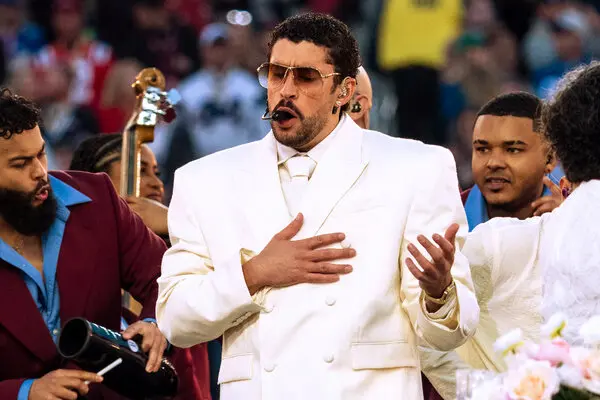
The Seattle Seahawks may have lifted the Lombardi Trophy at Super Bowl LX, but by Monday morning, the conversation across sports and entertainment revolved around one thing: Bad Bunny’s historic halftime show.
Early audience figures confirm what social media already suggested. Bad Bunny’s Apple Music Super Bowl LX Halftime Show drew an estimated 135.4 million television viewers, making it the most-watched halftime performance in Super Bowl history, surpassing Kendrick Lamar’s 2025 mark of 133.5 million.
More than a ratings win, the performance represented a cultural milestone. Bad Bunny became the first artist to headline the Super Bowl halftime show primarily in Spanish, delivering a set that leaned unapologetically into Puerto Rican identity on the biggest stage in American sports.
A Culture-First Performance on Football’s Biggest Night
The show opened with “Tití Me Preguntó” inside Levi’s Stadium in Santa Clara, California, immediately setting the tone. The field transformed into a living homage to Puerto Rico, featuring palm trees, sugar cane, neighborhood scenes, and vivid island imagery.
Bad Bunny’s setlist blended global hits with deeper cuts, including “Yo Perreo Sola,” “NUEVAYoL,” and “DTMF,” much of it drawn from his Grammy-winning album Debí Tirar Más Fotos. Rather than tailoring the performance to fit traditional Super Bowl expectations, Bad Bunny reshaped the platform itself.
Star-Studded Cameos and Unforgettable Moments
Surprise appearances elevated the spectacle. Lady Gaga joined Bad Bunny for a reimagined rendition of “Die With a Smile,” while Ricky Martin appeared during a segment addressing themes tied to Puerto Rican history and identity.
Additional cameos from Pedro Pascal, Jessica Alba, Cardi B, Karol G, and social media personality Alix Earle helped turn the halftime show into a cross-cultural event that blurred the line between sport, music, and cinema.
One of the most talked-about moments came midway through the performance, when a live wedding ceremony reportedly took place on the field, with Bad Bunny serving as a witness. Another vignette showed a young boy receiving a Grammy, symbolizing Bad Bunny’s own journey from humble beginnings to global stardom.
The show closed with a powerful visual: Bad Bunny surrounded by flags from across the Americas as the message “The only thing more powerful than hate is love” appeared on stadium screens.
Record viewership amid a divided Broadcast
According to CBS News and Nielsen estimates, more than 135 million viewers tuned in to Bad Bunny’s halftime show. Apple Music later confirmed that the performance also became the most-watched halftime show in the platform’s history, with over 63 million views across live streams, replays, and social clips.
However, the night also featured an alternative broadcast. Conservative group Turning Point USA streamed an unofficial “All-American Halftime Show” featuring Kid Rock and other artists as a protest against Bad Bunny’s performance. That stream reportedly peaked at 6.1 million concurrent viewers, a fraction of the Super Bowl audience, though it has since accumulated over 20 million total views.
The contrast only reinforced the scale of Bad Bunny’s reach.
Streaming surge after Halftime
The impact extended far beyond television.
Apple Music data showed that Bad Bunny’s global listenership spiked sevenfold immediately after halftime. The most-streamed songs following the performance included:
BAILE INoLVIDABLE
DtMF
Tití Me Preguntó
Top listener markets included the United States, Mexico, Canada, Colombia, and Peru, while major cities such as Mexico City, New York, Los Angeles, Chicago, and Miami led global engagement.
Shazam data revealed similar momentum, with U.S. recognitions climbing throughout January and “BAILE INoLVIDABLE” jumping sharply following the release of the halftime show trailer.
‘I Want People to Feel Proud’
In interviews ahead of Super Bowl LX, Bad Bunny spoke candidly about the pressure and meaning behind the moment.
“I want people to feel happiness and joy,” he told Access Hollywood. “I want to make people dance. I want to make them feel proud and think that everything is possible.”
Reflecting on his journey, he added, “Ten years ago I was working in a grocery store, making beats at the same time. Broke, with a lot of dreams. I’m still dreaming — just on a bigger stage.”
A New Standard for the Super Bowl Halftime Show
The NFL’s decision to place Bad Bunny at the center of Super Bowl LX now looks visionary. His performance delivered massive viewership, unprecedented global streaming engagement, and a lasting cultural moment that will be referenced for years.
More than entertainment, Bad Bunny turned the halftime show into a statement — one that proved language, culture, and authenticity are no longer barriers on America’s biggest sports stage.

SportsLigue