
CAF suspends Senegal head coach Pape Thiaw after AFCON 2025 final controversy
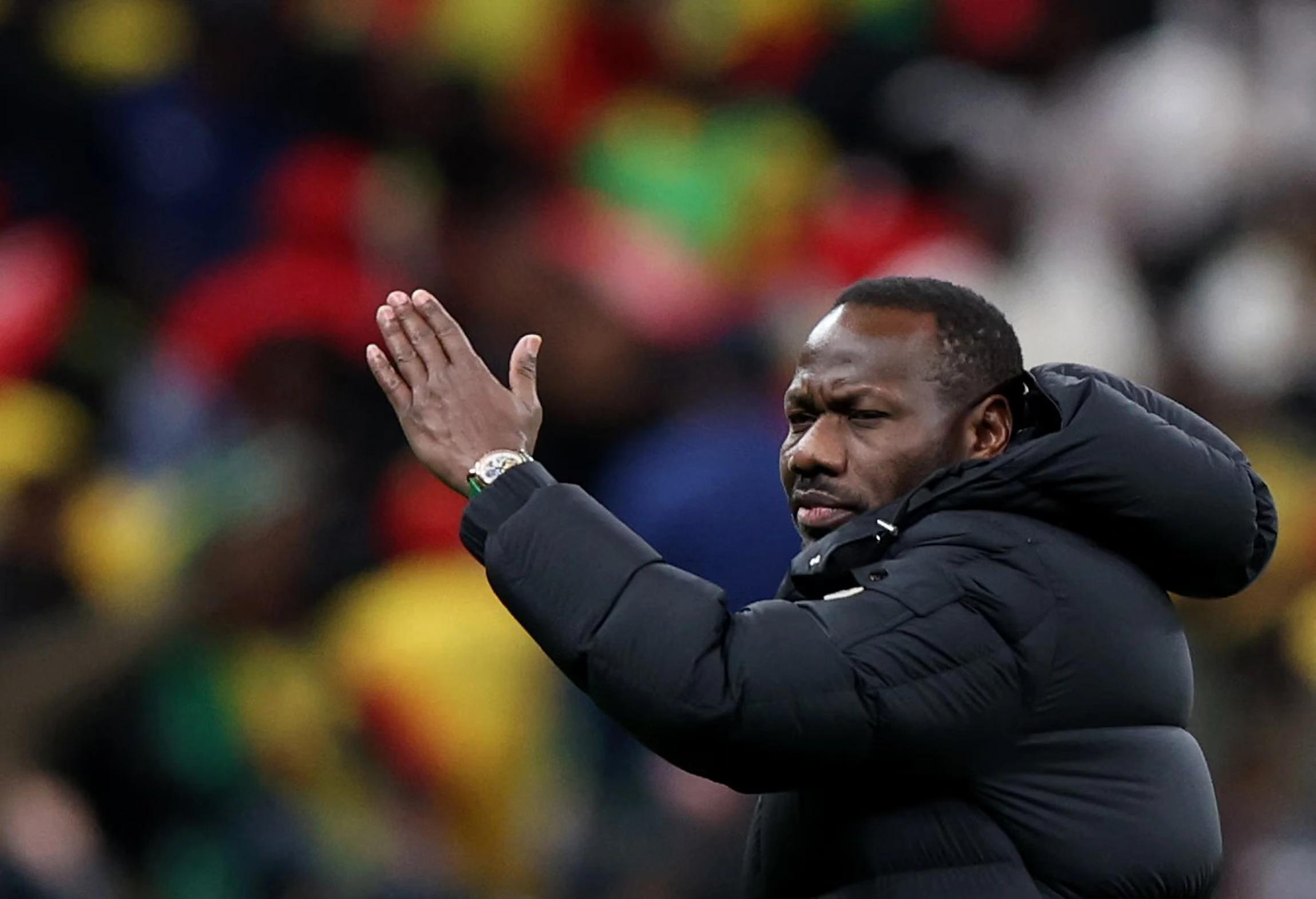
The Confederation of African Football (CAF) has confirmed the suspension of Senegal head coach Pape Thiaw following his conduct during the dramatic 2025 Africa Cup of Nations final against Morocco.
CAF’s disciplinary committee found Thiaw guilty of breaching competition regulations after he instructed his players to walk off the pitch in protest over a late refereeing decision. The incident occurred deep into stoppage time with the match still goalless, sparking scenes that halted play and drew global attention.
Related Article: Senegal beat Morocco to win AFCON 2025
Walk-off protest sparks disciplinary action
The AFCON final, played at the Prince Moulay Abdellah Stadium in Rabat, descended into chaos after Morocco were awarded a last-minute penalty following a VAR review. The decision came shortly after a Senegal goal had been disallowed, intensifying frustration among the defending champions.
Television footage showed Thiaw urging his players to leave the field in protest. Several Senegal players briefly retreated towards the tunnel and dressing room, delaying the match for several minutes before they eventually returned to resume play.
Related Article: FIFA, CAF condemn 'unacceptable scenes' at AFCON 2025 Final in Rabat
CAF later described the actions of the Senegal technical bench as unacceptable and damaging to the image of African football, regardless of the eventual outcome of the match.
Sanctions despite Senegal’s title win
Although Senegal went on to secure a dramatic 1–0 extra-time victory, with Pape Gueye scoring the decisive goal in the 94th minute, the governing body stressed that success on the pitch does not excuse breaches of discipline.
CAF confirmed that Thiaw will serve a suspension from all CAF competitions, alongside an undisclosed fine. The length of the ban has not yet been officially stated, but it is expected to rule him out of Senegal’s upcoming continental fixtures, forcing the Senegalese Football Federation to consider interim coaching arrangements.
In its statement, CAF reiterated that no individual or team is above the rules and warned that similar conduct in future competitions could attract even harsher penalties.
Thiaw admits error after the final
Following the match, Thiaw publicly accepted responsibility for his actions, admitting that emotions had influenced his decision.
“I didn’t appreciate at all that I told my players to leave the field,” Thiaw said in post-match comments. “I apologize to football. After reflection, I had them come back. Sometimes you react in the heat of the moment, but we accept that referees can make mistakes.”
His admission, however, did little to soften CAF’s stance as the confederation moved quickly to assert its authority.
CAF reaffirms zero tolerance on discipline
CAF later issued a broader statement condemning the behaviour of players and officials involved in the incident.
“CAF strongly condemns any inappropriate behaviour which occurs during matches, especially those targeting the refereeing team or match organizers,” the statement read. “CAF is reviewing all footage and will refer the matter to competent bodies for appropriate action to be taken against those found guilty.”
The incident has reignited debate across the continent over officiating standards, VAR decisions, and emotional control at major tournaments, particularly during high-stakes matches watched by millions worldwide.
Senegal’s victory marked their second AFCON title, achieved in front of a hostile home crowd and under immense pressure. Yet instead of being remembered solely for their resilience and extra-time heroics, the final has become a case study in discipline, governance, and crisis management in African football.
With CAF and FIFA both taking a firm stance, the fallout from AFCON 2025 is likely to influence how future tournaments handle protests, officiating disputes, and technical-bench conduct on the biggest stages.

SportsLigue