
Chelsea hit with 74 FA charges over Abramovich-era deals
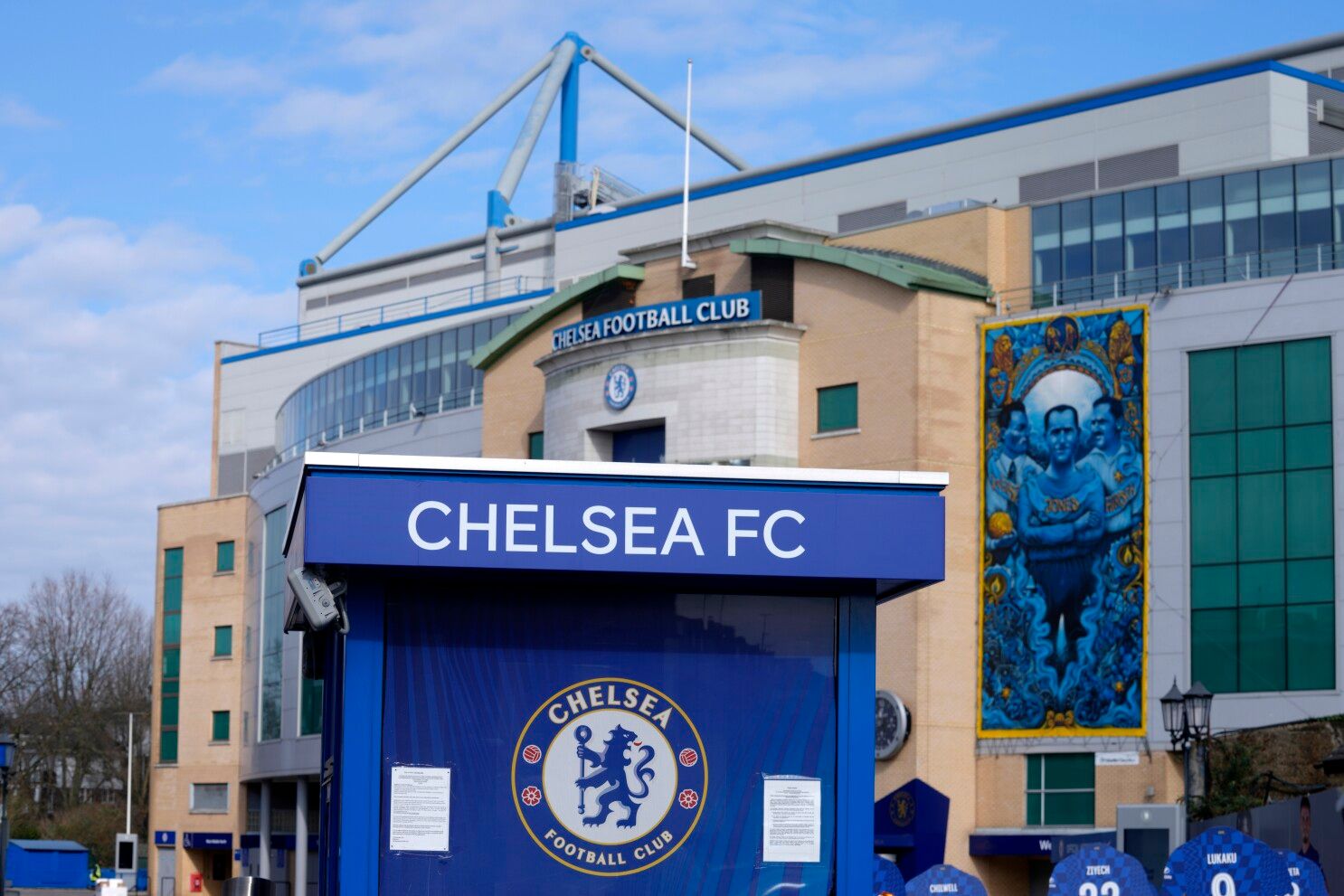
Chelsea FC has been hit with 74 charges by the Football Association relating to alleged breaches of agent regulations and rules on third-party investment covering the period 2009–2022, with most incidents reportedly taking place between 2010 and 2016. The charges, revealed in an FA notice and acknowledged by the club, stem from issues first uncovered during the takeover due diligence carried out by Chelsea’s current owners, BlueCo, after their purchase in May 2022.
Below we break the story down: why the charges were brought, how the case unfolded, what the charges cover, and what penalties Chelsea could face, plus a clear timeline and what fans should expect next.
Recommended: Crystal Palace demoted to UEFA Conference League over multi-club ownership breach
Why were Chelsea charged by the FA?
Chelsea’s current ownership says the allegations were self-reported after a meticulous due-diligence review following the club’s sale on 30 May 2022. BlueCo’s review flagged potentially incomplete financial reporting and transactions that might not have complied with FA rules. The new owners subsequently notified the FA and other relevant regulators.
The FA’s summary states the charges relate to breaches of two main rule sets:
- Agent regulations covering the behaviour of intermediaries and how clubs document and disclose agent fees and relationships.
- Third-party investment rules limiting outside parties’ influence over players or club decisions and requiring transparency where third parties have economic interests.
Most of the alleged problems concern the period when Roman Abramovich and his investment group controlled Chelsea; the FA clarified that the current owners are not accused of wrongdoing.
How did the FA process unfold
- 2009–2022: Period under review by the FA; majority of questioned transactions date from 2010–2016.
- 30 May 2022: BlueCo completes purchase of Chelsea and begins detailed financial due diligence.
- Shortly after takeover: BlueCo reports potentially irregular historical transactions to the FA and other regulators.
- 2022–2025: FA investigates and issues formal charges — totaling 74 counts.
- Club statement: Chelsea confirms the matters were self-reported and says engagement with the FA “is now reaching a conclusion.”
What do the 74 charges cover?
The FA’s formal charge sheet has not been published in full alongside this announcement, but the association says the counts are primarily tied to agent-related practices and third-party investment arrangements. In practice, those categories commonly include allegations such as:
- Failure to disclose payments to intermediaries or agents.
- Improper agreements that give third parties influence over transfer decisions or player contracts.
- Inadequate record-keeping around agent fees and third-party interests.
Because Chelsea self-reported the matters, the FA and club have worked cooperatively, with Chelsea providing full access to historical files, the club said.
Recommended: Everton and Nottingham Forest charged with breaching Premier League's financial rules
What penalties could Chelsea face?
The FA’s disciplinary code provides a range of possible sanctions for breaches of its rules. While each case is judged on its facts, potential outcomes include:
- Fines (from modest to substantial, depending on severity)
- Orders to repay or disclose financial transactions
- Restrictions on transfer activity or an effective transfer embargo
- Sporting sanctions in severe cases, including points deductions (rare and usually reserved for the most serious breaches)
Important caveat: there is no guarantee any particular sanction will be applied. The FA’s disciplinary panel will weigh the club’s level of cooperation, the age of the incidents, and whether any individuals still within the club were involved.
What the club says
Chelsea’s public statement stressed transparency and cooperation:
“Chelsea FC is pleased to confirm that its engagement with The FA concerning matters that were self-reported by the club is now reaching a conclusion. … Immediately upon the completion of the purchase, the Club self-reported these matters to all relevant regulators, including The FA. The Club has shown remarkable transparency throughout this process.”
BlueCo emphasised the charges relate to historical transactions during the Abramovich ownership period and thanked the FA for their engagement on what the club called a “complex case.”
How this matters for fans, transfers and the club’s reputation
- Short term (sporting): Unless the FA imposes urgent sporting sanctions, the current season’s fixtures and squad are expected to proceed as normal. Any transfer-window restrictions would have a more immediate on-field impact.
- Long term (reputation): Even historic compliance failures can harm a club’s corporate reputation and relationships with regulators, partners and potential sponsors; though proactive self-reporting and cooperation can mitigate reputational damage.
- Governance implications: The case highlights why robust financial controls and transparent dealings with agents and third parties are central to modern club governance.
What happens next?
- The FA disciplinary process will proceed to a hearing or other conclusion. Chelsea says the matter is “reaching a conclusion,” but no final outcome date has been confirmed publicly.
- If the FA imposes sanctions, Chelsea, and possibly individuals implicated, may have rights to appeal under FA procedures.
Quick FAQ
Q: Are Chelsea being accused of criminal activity?
A: These are FA regulatory charges, not criminal charges. Criminal investigations (if any) would be separate and publicly confirmed by the relevant legal authority.
Q: Will Chelsea be punished immediately?
A: Not necessarily. The FA will consider the evidence, the club’s cooperation and the age of the allegations before deciding on penalties.
Q: Do the charges affect BlueCo?
A: The FA says the charges relate to historical matters from before BlueCo’s takeover. BlueCo self-reported the issues and has cooperated with the FA.
Chris John