
European rights court to make final decision on Caster Semenya
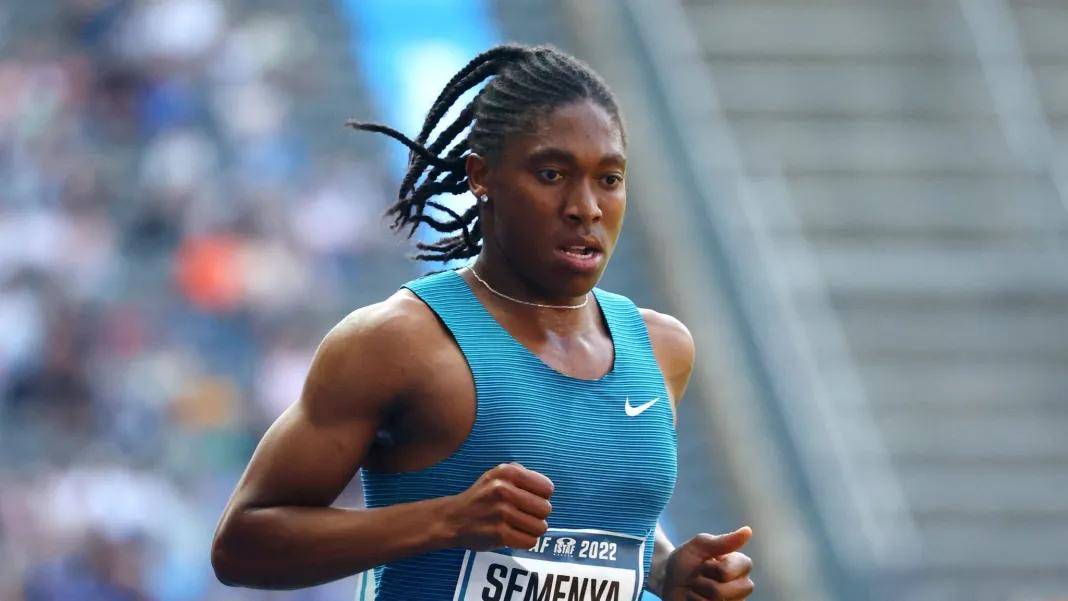
Caster Semenya, is currently in the final stages of her legal battle regarding the requirement to lower her testosterone levels in order to compete. The European Court of Human Rights (ECHR) is now holding a hearing to determine whether Semenya, a double Olympic champion, should be obligated to comply with this rule.
Previously, Semenya achieved a victory at the ECHR when it ruled in July that she had been subjected to discrimination by the Court of Arbitration for Sport (CAS) based in Lausanne.
Semenya expressed her hope that the decision made by the ECHR will be taken into consideration by World Athletics and other sports organizations, emphasizing the importance of respecting the dignity and human rights of athletes.
Despite being classified as having "differences in sexual development (DSD)" and legally recognized as female, Semenya has refused to take medication to lower her testosterone levels since World Athletics introduced its original regulations in 2018.
In 2019, CAS ruled against Semenya, and this decision was upheld by the Swiss Federal Court in Lausanne in 2020. The Swiss court emphasized the principle of "fair competition" in sports and stated that female athletes with testosterone levels comparable to those of men possess an unfair advantage.
The ECHR panel, consisting of seven members, ruled last July, with a vote of four to three, that the Swiss court's decision constituted discrimination and violated Semenya's privacy. However, this ruling did not challenge the regulations set by World Athletics nor did it grant Semenya permission to compete without medication.
Swiss authorities, with the support of World Athletics, have appealed to the 17-member Grand Chamber of the European court. The ruling of the Grand Chamber, which is expected to be binding, will be announced in several months.
Semenya, who achieved Olympic gold in the 800m event in 2012 and 2016 and won world gold medals in 2009, 2011, and 2017, is currently prohibited from competing in her preferred distance. She was compelled to attempt the 5,000m event, which World Athletics chose not to include in its regulations.
The concept of upholding human rights is of utmost importance. Semenya will be present in Strasbourg to present her case, which was initially seen as a significant victory by experts in the field.
Antoine Duval, a sports law specialist, emphasized the historical significance of this ruling, as it addresses the balance between sports organizations' autonomy in regulating competition access and the respect for human rights.
However, Semenya's legal battle has taken a toll on her financially, as she has not competed since March 2023 and had to appeal for donations to cover the costs of experts and legal fees. Her lawyer, Gregory Nott, revealed that the expenses for presenting the case in Swiss courts alone amounted to approximately 30 million rand (£1.3m).
Semenya has expressed that her career at the top level is now over and she is shifting her focus towards advocating for young athletes who face similar challenges.
She aims to protect and support these individuals so that they can compete on an equal playing field. World Athletics has implemented new rules for DSD athletes like Semenya, requiring them to lower their blood testosterone levels to below 2.5 nanomoles per litre and maintain this level for two years.
Additionally, the principle of restricted events for DSD athletes has been eliminated, meaning they are now prohibited from participating in all distances unless they meet the testosterone criteria.
Tags
Chris John