
Milano Cortina 2026 Winter Olympics: Everything You Need to Know
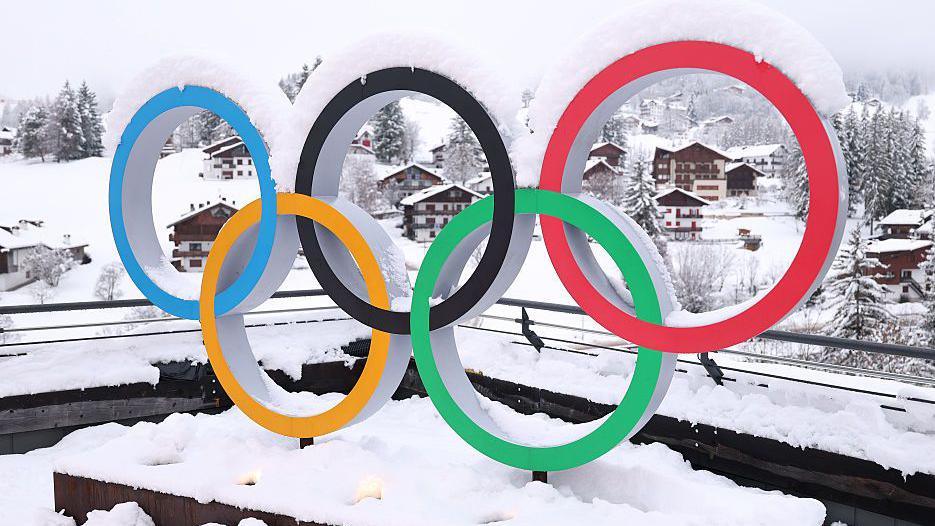
From historic Alpine venues to new Olympic sports and rising medal hopes, the Milano Cortina 2026 Winter Olympics promise a landmark Games spread across northern Italy. Here’s a complete guide to the hosts, history, events, and athletes to watch.
A Brief History of the Winter Olympics
The Olympic Games were revived in modern form in 1896, driven by French educator Baron Pierre de Coubertin, who drew inspiration from the ancient Games of Olympia in Greece. While the first modern Olympics were staged in Athens, winter sport was formally added decades later.
The Winter Olympics debuted in 1924 in Chamonix, France, featuring just five sporting groups: bobsleigh, curling, ice hockey, Nordic skiing, and skating.
Until 1992, the Summer and Winter Games were held in the same year. Since 1994, the Winter Olympics have taken place midway between Summer Games, creating the familiar four-year rhythm we know today.
In terms of historical dominance, Norway stands alone as the most successful Winter Olympic nation, with over 400 medals, followed by the United States and Germany.
Iconic Winter Olympic Moment: The “Miracle on Ice”
No Winter Games overview is complete without revisiting Lake Placid 1980, where the United States men’s ice hockey team stunned the heavily favoured Soviet Union.
Set against Cold War tensions and political rivalry, the amateur American squad defeated a Soviet team packed with full-time professionals. The 4–3 upset became known as the “Miracle on Ice”, later immortalised in documentaries and feature films. The victory remains one of the most emotionally charged moments in Olympic history.
Milano–Cortina 2026: Host Cities and Venues
The 2026 Winter Olympics will run from 6–22 February 2026 and will be staged across northern Italy, anchored by Milan and Cortina d’Ampezzo.
The joint Italian bid defeated a rival proposal from Stockholm–Åre in 2019. While billed as a two-city Games, competitions will be spread across several regions:
- Milan – indoor ice events
- Cortina d’Ampezzo – Alpine skiing and sliding sports
- Valtellina & Val di Fiemme – Nordic and freestyle disciplines
Cortina previously hosted the 1956 Winter Olympics, making this Italy’s third Winter Games, alongside the 1960 Rome Summer Olympics. The Opening Ceremony is scheduled for 7 February, with festivities split between historic and modern venues.
Sports and Events at Milano Cortina 2026
The Games will feature 16 sports and 116 medal events, marking one of the most diverse Winter Olympic programmes to date.
New Olympic Sport
- Ski mountaineering (men’s sprint, women’s sprint, mixed relay)
Full sports list
- Alpine skiing
- Biathlon
- Bobsleigh
- Cross-country skiing
- Curling
- Figure skating
- Freestyle skiing
- Ice hockey
- Luge
- Nordic combined
- Short-track speed skating
- Skeleton
- Ski jumping
- Ski mountaineering
- Snowboarding
- Speed skating
New Zealand at the Winter Olympics
Despite its Southern Hemisphere location and limited snow infrastructure, New Zealand has steadily carved out a Winter Olympic identity. The country made its Winter Games debut in Oslo 1952, initially fielding only alpine skiers. It wasn’t until 1992 that New Zealand claimed its first medal, when Annelise Coberger won silver in women’s slalom.
A breakthrough era arrived at the PyeongChang 2018 Winter Olympics, when Zoi Sadowski-Synnott and freestyle skier Nico Porteous both medalled on the same day, signalling New Zealand’s arrival as a Winter Olympic contender. Four years later in Beijing, both athletes struck gold.
To date, New Zealand owns six Winter Olympic medals:
- 2 gold
- 2 silver
- 2 bronze
At Milano–Cortina, New Zealand will compete in:
- Snowboarding
- Freestyle skiing
- Alpine skiing
Kiwi Medal hopes to watch
Zoi Sadowski-Synnott (Snowboarding)
The reigning Olympic champion in slopestyle, Sadowski-Synnott enters the Games as one of New Zealand’s strongest medal prospects. She arrives fresh off another world title and multiple X Games podiums.
Finley Melville Ives (Freestyle Skiing – Halfpipe)
Following Nico Porteous’ retirement, Melville Ives has emerged as New Zealand’s top halfpipe hope. He is the current world champion and leads the FIS World Cup standings.
Luca Harrington (Freestyle Skiing – Big Air)
A reigning world champion with consistent World Cup podiums, Harrington is firmly in medal contention in big air.
Alice Robinson (Alpine Skiing)
Robinson has enjoyed a standout World Cup season, with multiple victories in giant slalom and super-G, positioning her as a genuine podium threat.
Key Event Formats Explained
Alpine Skiing
Includes downhill, slalom, giant slalom, and super-G. Downhill is the fastest discipline, while slalom and giant slalom emphasise technical precision.
Snowboarding
New Zealand competes in slopestyle, big air, and halfpipe, with athletes judged on execution, difficulty, amplitude, and creativity.
Freestyle Skiing
Mirrors snowboarding formats across halfpipe, slopestyle, and big air, rewarding innovation and clean landings.
Beyond medals and moments, Milano Cortina represents a shift toward regional hosting, sustainability, and reuse of historic venues. It blends tradition with innovation, much like the Winter Olympics themselves.
From legendary Alpine backdrops to emerging stars, the 2026 Winter Games are shaping up as one of the most compelling editions in modern Olympic history.

SportsLigue