
Ferrari's Las Vegas Grand Prix struggles
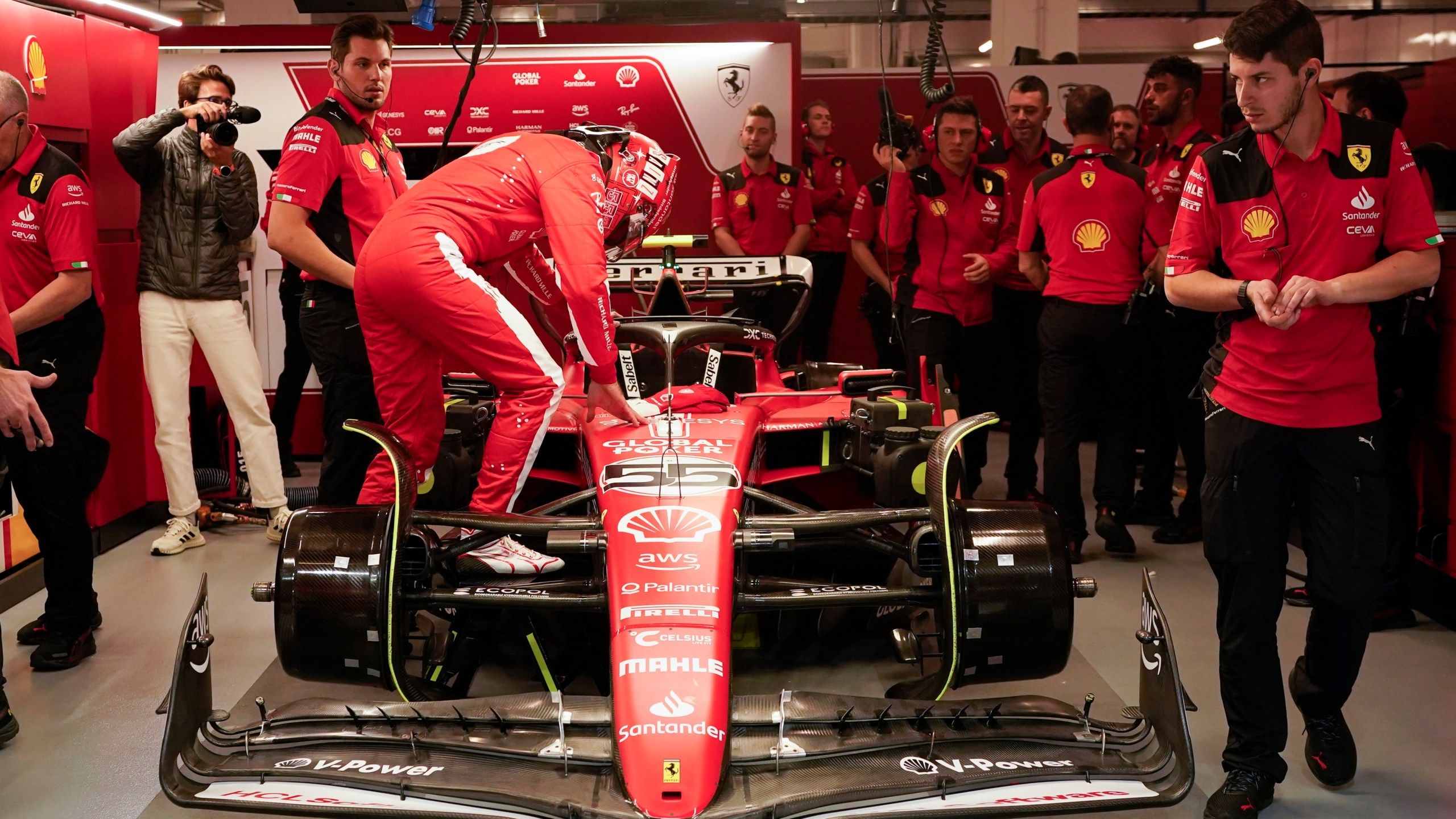
During the Las Vegas Grand Prix, Ferrari's fortunes took a nosedive from the get-go when Sainz collided with a loose water valve inspection cover during FP1. The impact wreaked havoc on his car, causing severe damage to its floor, chassis, seat, and engine components.
As Ferrari rushed to repair the extensive damage, they had to replace several parts, including the battery, leading to an automatic 10-place grid penalty. This penalty stemmed from exceeding the seasonal allocation for that specific component for the first time.
The stewards recognized the extraordinary circumstances, acknowledging that the damage resulted from highly unusual external factors. They expressed a willingness to waive the penalty if they had the authority to do so within the existing regulations.
Ferrari's team principal, Fred Vasseur, vented his frustration, deeming the situation "unacceptable." Even after the Grand Prix, his discontent lingered, emphasizing the team's colossal repair efforts after missing FP1 due to the incident.
Vasseur highlighted the case as a force majeure, underscoring the team's efforts and the substantial damages incurred. He stressed the need for fair consideration given the circumstances.
Gary Anderson empathized with Sainz and Ferrari, citing the unfairness of penalizing them for an incident beyond their control. Drawing from his experience in 1984, when his F3 car was destroyed due to track conditions, Anderson emphasized the inability to reverse such catastrophic events.
He emphasized the need for stewards to have the authority to evaluate situations impartially, suggesting that the current rules hinder their ability to address evident instances of external damage.
The implications went beyond financial concerns. With the penalty impacting Ferrari's starting position, it significantly altered the race dynamics, potentially affecting their performance against Red Bull.
The discussion extended to the financial repercussions. The estimated cost of damages was substantial, impacting Ferrari's budget allocation for the season. Repairing the chassis and replacing various components added to the financial strain.
However, precedents existed where circuits compensated teams for damages caused by track-related faults. Ferrari intended to pursue compensation from the Las Vegas Grand Prix organizers, as seen in previous cases involving Williams and Haas.
Despite the setbacks, there were glimpses of positivity. Sainz's impressive recovery drive to sixth position provided some consolation. Moreover, the prospects of compensation and potential regulatory changes offered silver linings amid the challenging situation.
Nonetheless, the looming championship battle and financial implications cast a shadow over Ferrari's satisfaction, leaving Vasseur and the team apprehensive about the ultimate outcome in their duel with Mercedes.
Chris John