
FIFA expands Women’s World Cup to 48 teams starting from 2031
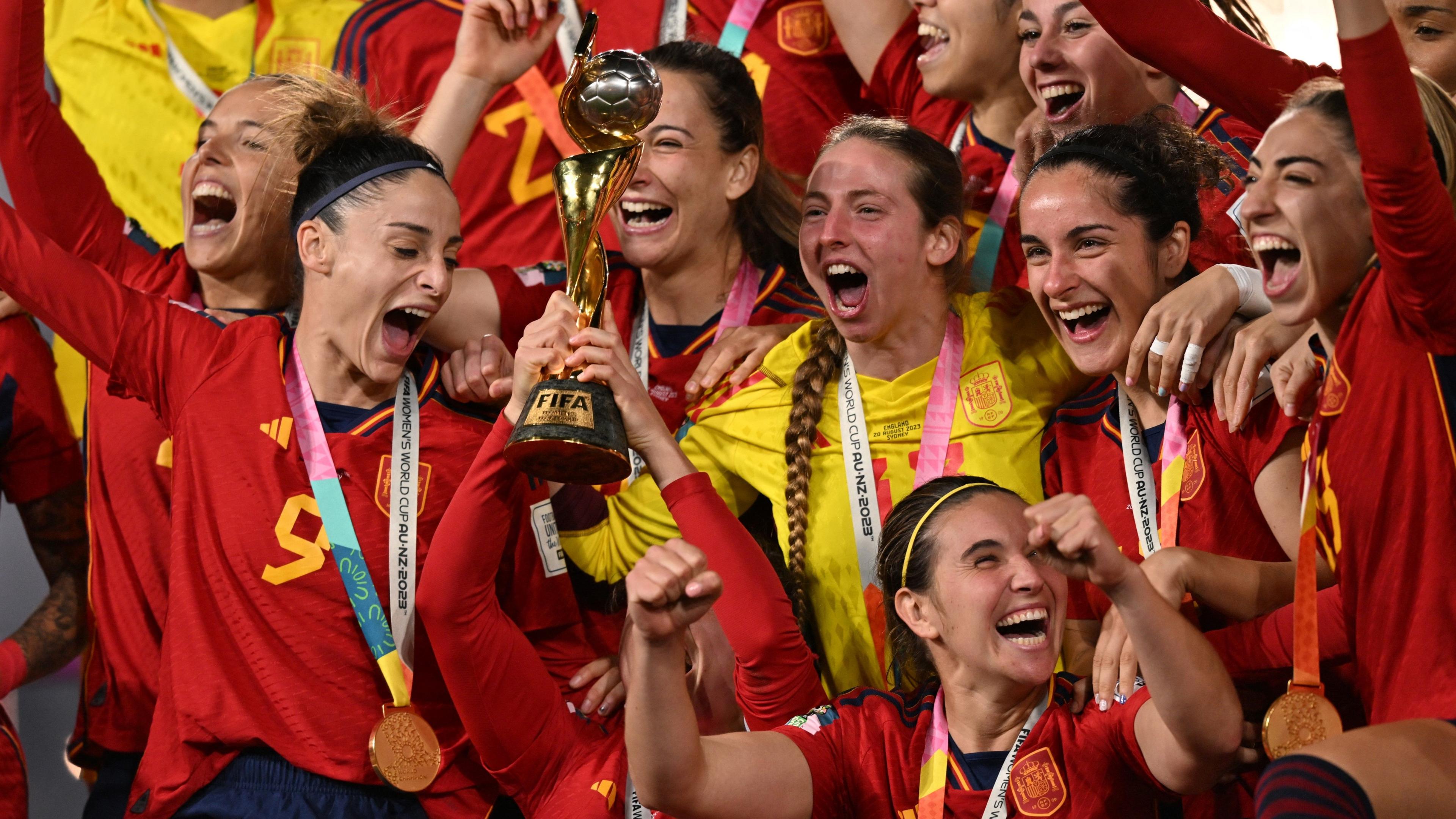
In a historic move aimed at accelerating the growth of women’s football worldwide, FIFA has officially approved the expansion of the Women’s World Cup to 48 teams beginning with the 2031 edition. The decision, confirmed during a virtual FIFA Council meeting on Friday, will reshape the future of the sport by opening more opportunities for emerging football nations and elevating global competitiveness.
Related News: FIFA considering expansion to 64 teams for 2030 World Cup
Brazil named hosts of 2027 Women's World Cup at FIFA Congress
The 2031 tournament will adopt a 12-group format, increasing the number of matches from 64 to 104—matching the structure of the men’s 2026 World Cup that will be co-hosted by the United States, Canada, and Mexico. This expansion will also add one week to the tournament’s duration.
Women’s Football Enters a New Era of Growth
The decision builds on the success of the 2023 Women’s World Cup in Australia and New Zealand, which was the first to feature 32 teams—up from 24 in 2019—and marked a turning point for the women’s game in terms of global attention and competitive balance.
“This is not just about having 16 more teams playing in the FIFA Women’s World Cup,” said FIFA President Gianni Infantino.
“It’s about taking the next steps in relation to the women’s game in general, giving more FIFA member associations the chance to benefit from the tournament and grow their women’s football structures holistically.”
Infantino emphasized that the expanded format is backed by data and a vision for long-term sustainability. He cited the competitive strides made in 2023, where teams from all confederations won at least one match and five different confederations were represented in the knockout stages.
USA Poised to Host 2031 Women’s World Cup
Although the 2027 Women’s World Cup will feature 32 teams and will be held in Brazil, the 2031 edition is expected to return to the United States, which is currently the only bidder. If ratified, this will mark the third time the U.S. will host the tournament, having previously staged it in 1999 and 2003.
Meanwhile, the United Kingdom is the sole candidate for the 2035 Women’s World Cup, making the next decade a pivotal chapter for the sport’s global expansion. FIFA has yet to formally confirm the hosts for 2031 and 2035.
FIFPRO welcomes expansion, urges inclusive planning
The global players’ union FIFPRO issued a statement welcoming the tournament’s expansion, calling it a sign of progress and demand for the women's game. However, it stressed the need for inclusive planning, improved labor conditions, and grassroots investment.
“It is critical that the global development of women’s competitions goes hand in hand with the advancement of players, improved working conditions, and investment further down the football pyramid,” FIFPRO said.
Addressing concerns over competitive balance
While some analysts have raised concerns that the increase to 48 teams could lead to lopsided matches, Infantino and FIFA officials countered that recent tournaments have proven the competitive gap is narrowing. The growing diversity of talent and the rise of non-traditional football nations reflect a new era in the women’s game.
The 48-team format will not only provide greater representation across continents but will also generate more revenue, visibility, and opportunities for female players, coaches, and national programs.
What this means for Women’s Football
With global audiences soaring and more nations investing in women’s football infrastructure, the expanded Women’s World Cup is expected to be a game-changer. It reflects a clear strategic push from FIFA to keep up with the momentum and meet the increasing demand for elite-level women’s competitions.
As the countdown begins to Brazil 2027 and the historic 48-team launch in 2031, all eyes are on how federations, clubs, and players will rise to the challenge.

SportsLigue