
FIFA World Cup 2026: How matches are shared between USA, Canada and Mexico
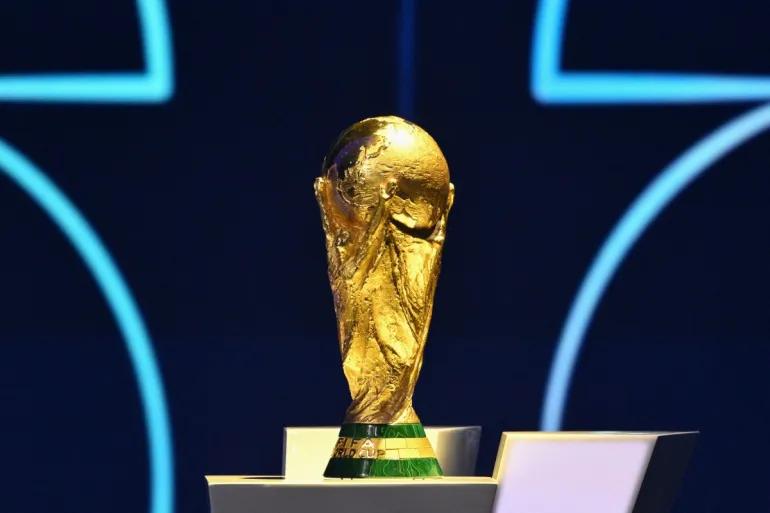
The FIFA World Cup 2026 will mark a major turning point in football history, as the tournament is jointly hosted by the United States, Canada, and Mexico.
Scheduled to run from June 11 to July 19, the competition will also introduce a new 48-team format, the largest in World Cup history, significantly increasing the number of matches and host venues.
New Format: More Teams, More Matches
The expanded structure reshapes how the tournament unfolds. Instead of the traditional 32-team setup, 48 nations will now compete, divided into multiple groups before advancing to an enlarged knockout phase.
- Group stage: 48 teams compete across multiple groups
- Knockout stage: Begins with a Round of 32
- Final: July 19
The tournament’s climax will take place at MetLife Stadium in New Jersey.
Why matches are split across three countries
The decision to distribute matches across North America is driven by both scale and logistics. With more teams and fixtures than ever before, a single host nation would struggle to accommodate the expanded schedule. By sharing hosting duties:
- Travel congestion is reduced
- Stadium capacity is maximized
- Commercial reach expands across multiple markets
Each country plays a distinct role in hosting different phases of the competition.
Mexico: Tradition Meets Global Stage
Mexico will host several key group-stage matches, including the tournament opener in Mexico City. Cities like Guadalajara and Monterrey will also feature prominently, offering passionate crowds and historic football venues.
Mexico’s role continues its legacy as one of football’s most iconic host nations, having staged the World Cup multiple times.
Canada: A Growing Football Market
Canada will host a selection of group-stage fixtures across cities such as Toronto and Vancouver.
While fewer matches are scheduled compared to the United States, Canada’s inclusion reflects the country’s rising football profile and growing investment in the sport.
United States: The Tournament’s Core Hub
The United States will host the majority of matches, including all later knockout rounds. Key venues include:
- AT&T Stadium (semi-finals)
- Mercedes-Benz Stadium (semi-finals)
- Hard Rock Stadium (third-place match)
- MetLife Stadium (final)
Major cities such as Los Angeles, New York/New Jersey, Dallas, Miami, and Atlanta will serve as central hubs throughout the tournament.
- Read more: 2026 World Cup Draw Reveals All 12 Groups
Key Dates for the Knockout Stage
While group-stage fixtures are spread across all three nations, the knockout rounds are concentrated primarily in the United States.
- Round of 32: June 28 – July 3
- Round of 16: July 4 – July 7
- Quarter-finals: July 9 – July 11
- Semi-finals: July 14 – July 15
- Third-place match: July 18
- Final: July 19
What this means for fans
The tri-nation format creates a unique experience for supporters:
- Fans can follow teams across multiple countries
- Travel routes become part of the tournament narrative
- Cultural diversity enhances the global atmosphere
However, it also presents logistical challenges, particularly for those planning to attend matches in different regions.
Bigger Than Ever: A New Era for the World Cup
The 2026 edition is not just about expansion; it’s about evolution. With more teams, more matches, and a broader geographic footprint, this tournament is set to redefine what a World Cup looks like.
From the opening game in Mexico City to the final in New Jersey, the competition promises a truly continental spectacle. Splitting the World Cup across three nations reflects the scale and ambition of modern football.
While it introduces new challenges, it also opens the door to a more inclusive and far-reaching tournament, one that could set the standard for future editions.

SportsLigue