
Guinea call for review of 1976 AFCON title after CAF’s Senegal decision sparks controversy
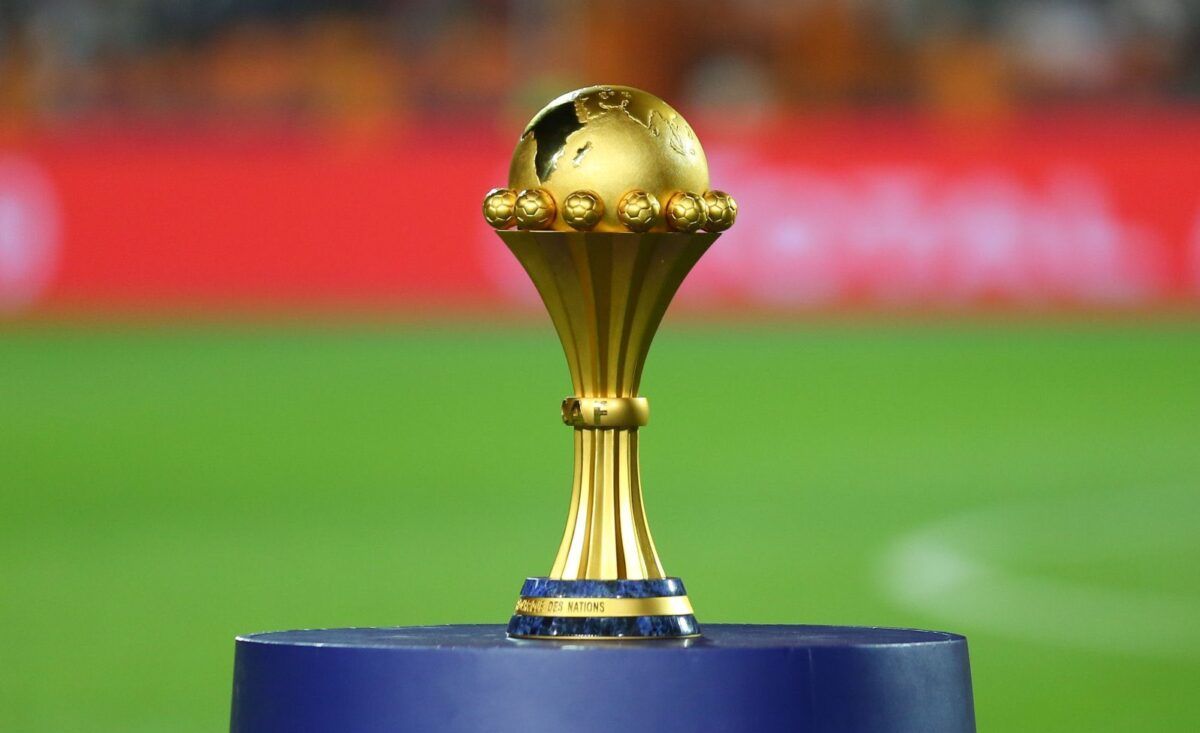
African football is facing a growing governance storm after the Confederation of African Football (CAF) was hit with a new demand from Guinea to revisit the outcome of the 1976 Africa Cup of Nations.
The request follows CAF’s recent and highly controversial decision to strip Senegal of the 2025 AFCON title and award it to Morocco, citing a breach of competition rules after Senegal’s players temporarily left the pitch during the final.
That ruling, applied nearly two months after the tournament, has now triggered wider scrutiny of how CAF enforces its disciplinary framework, both in the present and historically.
Why Guinea is challenging the 1976 result
Guinea’s argument hinges on what it sees as a clear inconsistency. The Guinea Football Federation has formally called for a reassessment of the 1976 AFCON tournament, where Morocco were crowned champions under unusual circumstances.
That edition, hosted in Ethiopia, remains one of the most unique in AFCON history. Instead of a traditional final, the winner was determined through a four-team final group featuring Morocco, Guinea, Egypt, and Nigeria.
Going into the decisive match, the stakes were clear:
- Guinea needed a win to claim the title
- Morocco required only a draw
The Controversial Incident
Guinea appeared on course to lift the trophy after taking the lead in the 33rd minute through Chérif Souleymane. However, tensions escalated when Moroccan players briefly walked off the pitch in protest over a refereeing decision, an incident now at the heart of Guinea’s claim.
The match eventually resumed, and Morocco found a crucial equaliser in the 86th minute through Ahmed Makrouh, securing a 1-1 draw. That result was enough to hand Morocco the title.
- Read also: Senegal to challenge AFCON title revocation as CAF Awards Morocco controversial 3-0 victory
“Apply the Same Rules” — Guinea’s Position
Guinea’s stance is built on the principle of consistency. Their argument is straightforward: if CAF sanctioned Senegal in 2025 for leaving the field during a match, then similar incidents, regardless of when they occurred, should be subject to review.
In strong terms, officials have called for the title to be reassigned, insisting that disciplinary rules should not be selectively enforced.
A Legal and Institutional dilemma for CAF
CAF now finds itself in a difficult position. Accepting Guinea’s request could set a far-reaching precedent, potentially opening the door for multiple historical disputes across African football.
However, rejecting it risks reinforcing criticism that CAF’s decisions lack consistency and transparency. From a legal standpoint, the situation is complex. Many of the regulations used in the 2025 ruling, particularly those governing match forfeiture, were not in place in 1976.
Sports law experts argue that applying modern rules retroactively could be problematic and difficult to justify within established legal frameworks.
The Bigger Picture: Governance under scrutiny
This controversy goes beyond a single match or tournament. It raises broader questions about:
- How football governing bodies apply rules across different eras
- Whether historical results should ever be revisited
- The balance between legal consistency and sporting integrity
CAF has yet to issue an official response, but pressure is mounting as debate intensifies across the continent.
What happens next?
For now, the 1976 AFCON title remains officially with Morocco. But Guinea’s challenge has already achieved one outcome, it has reignited a long-dormant debate about fairness, precedent, and accountability in African football governance.
Whether CAF chooses to act or not, the ripple effects of its 2025 decision are clearly far from over.

SportsLigue