
How Climate Change is reshaping the World of Sport
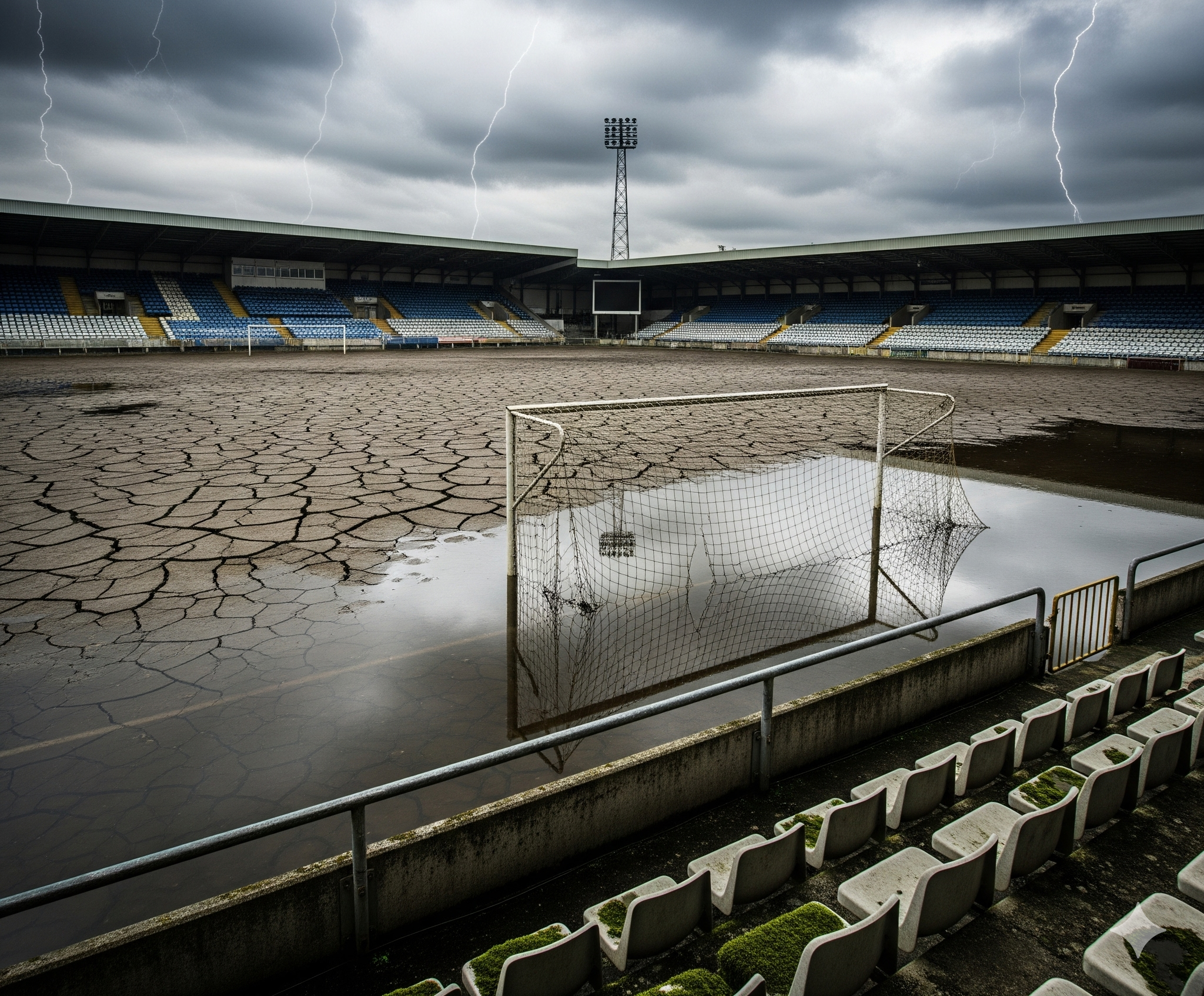
Sport has always been shaped by the environment. From a football match played under open skies to a skier gliding down fresh powder or a marathon winding through city streets, weather has always been the stage. But now, climate change is rewriting the script. Extreme heat, unpredictable weather, and worsening pollution are no longer rare interruptions, they’re becoming everyday challenges.
This matters because climate change is already altering how sport is played, watched, and even funded. Athletes are struggling with scorching heat, stadiums are being damaged by floods and storms, and entire seasons are at risk of disruption. Some sports, like skiing, face an existential threat. Others, like football, are entering a new era of climate risk.
In this feature, we’ll explore the main ways climate change is impacting sport, the evidence from recent events, and what athletes and governing bodies are doing in response.
Rising Heat: The Toughest Opponent for Athletes
One of the most direct threats is extreme heat. In 2024, the average global temperature passed 1.5°C above pre-industrial levels, driving more frequent and prolonged heatwaves. For athletes, this isn’t abstract science, it’s the difference between competing safely and risking their lives.
Heat-related health risks in sport
- Heat cramps: muscle spasms and dehydration, common in endurance athletes.
- Heat exhaustion: dizziness, nausea, and rapid pulse, which increase injury risks.
- Heatstroke: a medical emergency where core body temperature exceeds 40.5°C, causing collapse or even death if untreated.
Elite players have medical staff and hydration protocols, but amateur athletes and youth players are especially vulnerable. In the US, more than 60 American football players have died from heatstroke since 1995, with fatalities rising as heatwaves grow longer.
Tokyo 2020: the hottest Olympics in history
The postponed Tokyo Olympics became a global warning sign. With temperatures hitting 34°C and humidity over 70%, it was the hottest Games ever recorded. Tennis players collapsed mid-match, marathoners were forced north to Sapporo, and beach volleyball players struggled on burning-hot sand. Russia’s Daniil Medvedev even told officials: “I can finish the match, but I can die. If I die, are you going to be responsible?”
2023 US Open: another heat crisis
At the 2023 US Open, players battled conditions above 35°C. Medvedev again warned: “One player is going to die, and then they will see.” Organizers introduced shaded rest zones and longer breaks, but the warning signs are clear: extreme heat is now a regular opponent.
Extreme Weather: Flooded Pitches and Destroyed Seasons
Bad weather has always been part of sport, but climate change is making storms and rainfall more intense. Warmer air holds more moisture, meaning heavier downpours and more frequent flooding.
Football and rugby in the UK
Since 1990, UK winter rainfall has increased by more than 15%. The result: waterlogged pitches, cancelled training, and costly repairs. Premier League venues like Old Trafford and Wembley have struggled with drainage, while lower-league clubs face flooded grounds they can’t afford to fix. Rugby in Scotland and Wales has also been hit hard.
Cricket: wetter summers ruin play
Cricket is particularly vulnerable because even short showers can stop play. Since 2000, over a quarter of England’s home one-day internationals have been disrupted by rain. The 2023 Ashes Series saw critical matches shortened, raising fears that traditional five-day Test cricket could be at risk in England’s future climate.
Hurricanes in the US
In the United States, stronger hurricanes are wreaking havoc.
- Hurricane Ida (2021): damaged the New Orleans Saints’ stadium, forcing relocation.
- Hurricane Ian (2022): postponed matches across football, baseball, and college sports, causing millions in damages.
Cycling and marathons have also been disrupted by high winds. In late 2024, the Zurich Maratón San Sebastián was cancelled just hours before its start, with wind speeds expected to exceed 120 km/h.
Golf’s coastal crisis
Many of the world’s most famous golf courses sit along coastlines, but rising seas and stronger storms are eating away at them. Scotland’s St Andrews has seen coastal erosion, while courses in Florida and California face regular flooding.
Wildfires and Air Pollution: Hard to Breathe, Harder to Play
With hotter summers and prolonged droughts, wildfires are more frequent and intense, producing hazardous smoke that makes outdoor sport dangerous.
At the 2020 Australian Open, smoke from devastating bushfires forced players to retire mid-match, including Slovenia’s Dalila Jakupović, who collapsed on court. MLB and MLS fixtures in the US have also been postponed due to wildfire smoke drifting over stadiums.
Wildfire smoke contains fine particles (PM2.5) that damage lungs, limit oxygen intake, and increase dehydration. Even short exposure reduces endurance and recovery time. This isn’t just a problem for elite athletes, grassroots players, runners, and kids training outdoors are also at risk.
Winter Sports: Fighting to Survive
For skiing and snowboarding, climate change is an existential crisis. Rising temperatures mean shorter seasons, declining snowfall, and rapid glacier melt.
- The Alps are warming twice as fast as the global average. Low-altitude ski resorts in France, Switzerland, and Austria have already closed due to lack of snow.
- Resorts in Colorado and Utah are spending millions on artificial snow, which itself uses huge amounts of energy and water.
- Glaciers used for training are melting so quickly that some could disappear entirely by 2050.
Artificial snow has become a lifeline, but it’s expensive and environmentally damaging. If warming continues, winter sports could become a luxury for wealthy regions only.
What can Sport do?
Sport isn’t powerless. Governing bodies are beginning to act:
- FIFA has introduced cooling breaks at matches in extreme heat.
- AFCON shifted tournament schedules to cooler months.
- The IOC launched an Olympic Forest in Senegal to offset emissions.
- Over 280 organizations, including Athletics Kenya, have signed the UN Sports for Climate Action Framework, pledging to halve emissions by 2030 and reach net zero by 2040.
Some clubs are going further. In England, Forest Green Rovers have become the world’s first carbon-neutral football club, with an eco-stadium, vegan matchday menus, and renewable energy.
The Future of Sport in a Warming World
Without urgent action, extreme weather, heatwaves, pollution, and shrinking winters could reshape sport as we know it. But sport also has a unique opportunity. With billions of fans and unmatched cultural reach, it can set the tone for climate responsibility worldwide.
The question is no longer if sport will be affected by climate change, it already is. The real question is whether sport will adapt quickly enough to protect athletes, fans, and its own future.

SportsLigue