
2026 FIFA World Cup set for record 104 matches across USA, Canada and Mexico
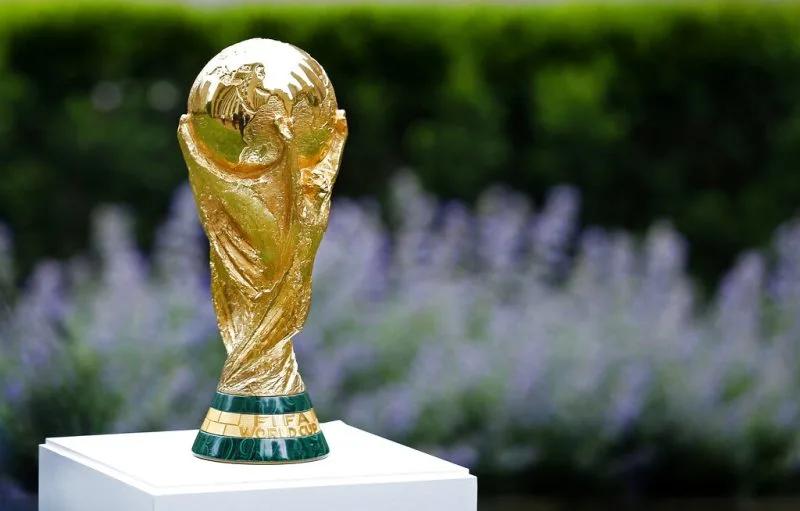
The 2026 FIFA World Cup is set to redefine international football on an unprecedented scale. For the first time, the tournament will feature 48 teams, a major expansion from the 32-team format used between 1998 and 2022.
This decision, approved by FIFA Council in 2017, increases the total number of matches to 104, making it the largest World Cup ever staged. To put that into context, the 2022 FIFA World Cup in Qatar featured just 64 matches. The jump to 104 games represents a dramatic shift in both scale and scheduling, promising fans more football than ever before.
Why FIFA changed the format
The expansion was initially designed around a 16-group format consisting of three teams per group, which would have resulted in 80 matches. However, concerns quickly emerged about the competitive integrity of that system.
Three-team groups raised the possibility of match manipulation or collusion, especially in final group-stage fixtures where teams could play for mutually beneficial results. To avoid this, FIFA adopted a more traditional structure:
- 12 groups of four teams
- A traditional round-robin group stage
- An expanded knockout phase
This ensures fairness while also increasing the number of games and opportunities for teams to progress. Notably, teams reaching the semifinals will now play eight matches, the highest number ever required to reach that stage in World Cup history.
One of the biggest consequences of the new format is the increased workload for top-performing teams. In 2026, any team that reaches the semifinals will play eight matches, the highest number in World Cup history.
Previously, finalists and semifinalists played a maximum of seven matches, a structure that had remained unchanged since the 1974 tournament. This extra fixture adds a new layer of endurance, squad rotation, and tactical depth, particularly for elite nations chasing the title.
Match Distribution across Host Cities
The tournament will be played across 16 host venues in the United States, Canada, and Mexico, with each stadium hosting between four and nine matches. Here’s how the matches are distributed across key cities:
- Dallas (Arlington, Texas): 9 matches – the highest, including 4 knockout games
- New York/New Jersey (East Rutherford): 8 matches – including the final
- Atlanta: 8 matches
- Los Angeles (Inglewood): 8 matches
- Miami (Miami Gardens): 7 matches
- Boston (Foxborough): 7 matches
- Vancouver: 7 matches
- Houston: 7 matches
Other host cities such as Seattle, Philadelphia, Toronto, and Kansas City will each stage between six and seven matches. Meanwhile, Mexico’s venues, including Mexico City, Monterrey, and Guadalajara, will host fewer games overall, with Guadalajara uniquely staging only group-stage matches and no knockout fixtures.
Key Venues for Knockout Matches
While several cities will host knockout games, a few venues stand out for their significance:
- MetLife Stadium will host the World Cup final on July 19
- Mercedes-Benz Stadium will stage one semifinal
- AT&T Stadium will host the other semifinal
- SoFi Stadium will feature a marquee quarterfinal
Dallas-Fort Worth, in particular, stands out as the tournament’s busiest hub for knockout football.
How the World Cup has grown over time
The scale of the 2026 tournament highlights just how far the World Cup has evolved since its early days.
- 1930 (Uruguay): 18 matches, no qualifiers
- 1950: 22 matches after format changes
- 1974–1978: 38 matches with dual group stages
- 1982: Expanded to 52 matches
- 1998–2018: 64 matches with 32 teams
Each expansion has reflected the global growth of football, with more nations competing and larger audiences tuning in worldwide. The 2026 edition represents the most ambitious leap yet, both in terms of participation and commercial reach.
With 104 matches spread across three countries, the 2026 FIFA World Cup is shaping up to be the most extensive and commercially significant tournament in football history. The expanded format will not only give more nations the chance to compete but also provide fans with a longer, more immersive tournament experience.
From packed stadiums in the United States to historic venues in Mexico and emerging football markets in Canada, the competition will deliver a truly continental spectacle. For fans and analysts alike, this will be a World Cup defined by scale, strategy, and storytelling, with every extra match adding to the drama of football’s biggest stage.

SportsLigue