
How is Olympic Figure Skating Judged? Milano Cortina 2026 Scoring Explained
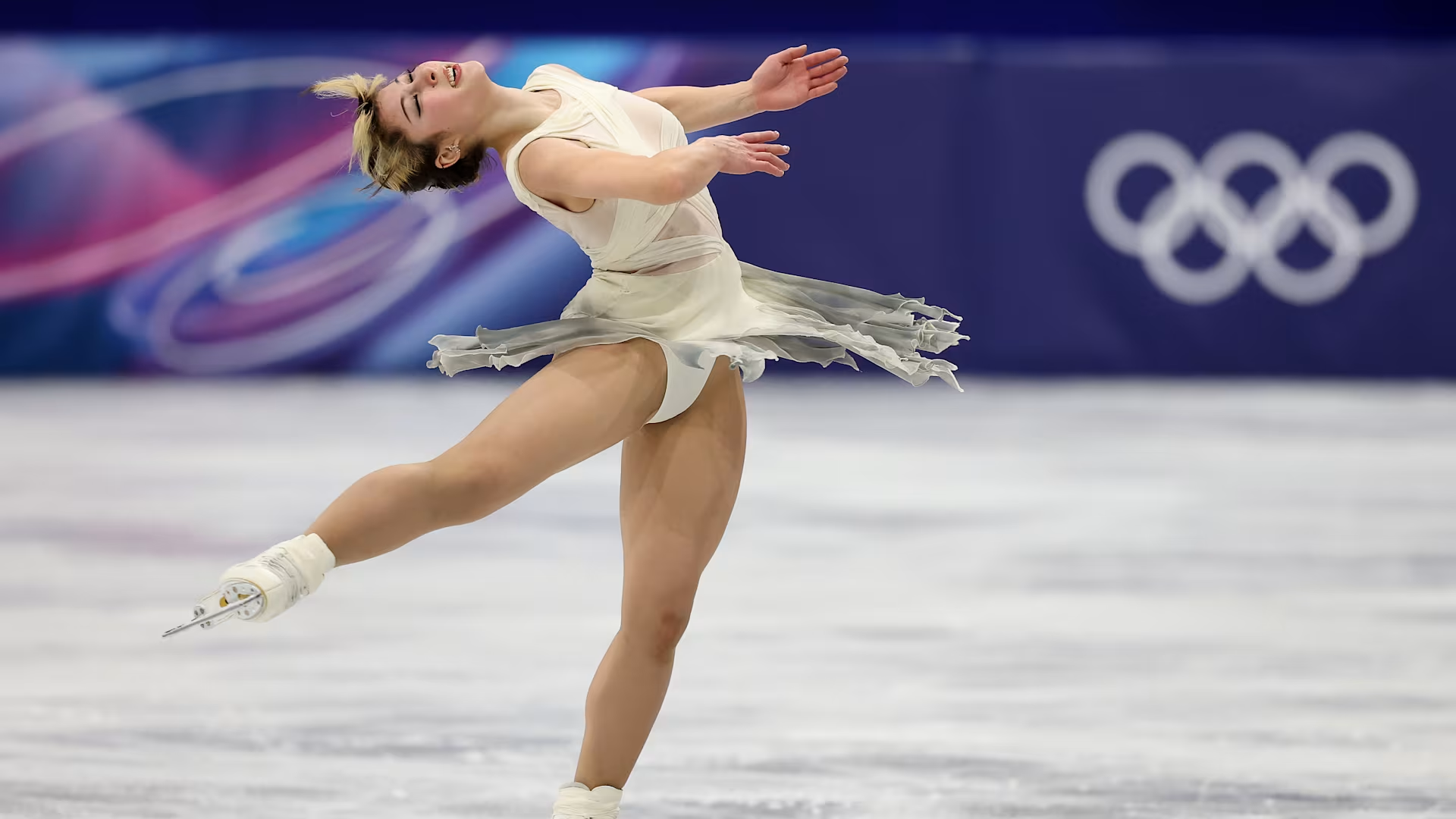
Figure skating blends elite athleticism with artistic expression, making judging one of the most debated aspects of the Winter Olympics. As Milano Cortina 2026 approaches, here’s a clear breakdown of how Olympic figure skating is scored, from technical elements and program components to the role of AI in judging.
As the Olympic Figure Skating Team Event heats up at the Milano Ice Skating Arena, fans are once again turning their attention not just to the performances, but to the scores behind them.
Team USA currently leads the standings after a season-best performance from ice dancers Madison Chock and Evan Bates, with Japan and host nation Italy close behind. While the scoreboard shows points and rankings, those numbers are built on the International Judging System (IJS), the framework that determines every medal outcome in Olympic figure skating.
Introduced to bring transparency and consistency to the sport, the IJS evaluates skaters across technical difficulty and artistic quality — a balance that defines modern figure skating.
The International Judging System (IJS) Explained
Olympic figure skating is judged by:
- A panel of up to nine judges
- A separate technical panel that identifies elements in real time
To reduce bias, the highest and lowest scores for each category are discarded. The remaining scores are averaged, creating a “trimmed mean” that forms the skater’s final mark.
Every performance receives two main scores - Technical Element Score (TES) and Program Component Score (PCS). These scores are combined, with deductions applied for falls or illegal elements, to produce the final result.
Technical Element Score (TES): Measuring Difficulty and Precision
The Technical Element Score evaluates what a skater performs and how well it is executed.
Base Values
Each required element, jumps, spins, lifts, step sequences, carries a base value determined annually by the International Skating Union (ISU). More difficult elements earn higher base scores such as Quadruple jumps score more than triples, Higher-level spins and step sequences earn more points and Complex lifts increase base value in pairs and ice dance
Grade of Execution (GOE)
Once an element is identified, judges assign a Grade of Execution ranging from +5 (excellent) to –5 (poor).
- Clean landings, height, speed, and flow earn positive GOE
- Under-rotations, edge errors, or falls reduce the score
- A fall results in an automatic one-point deduction
Each element’s GOE is averaged and added to its base value, contributing to the skater’s total TES.
- Related Article: Milano Cortina 2026 Winter Olympics: Everything You Need to Know
Program Component Score (PCS): Evaluating Artistry and Skating Quality
Beyond raw difficulty, judges assess the overall performance through three Program Components, each scored from 0.25 to 10:
1. Composition
Judges evaluate how movements are arranged into a cohesive whole. This includes:
- Use of the full ice surface
- Choreographic structure
- Transitions between elements
- Overall unity of the program
2. Presentation
This measures musical interpretation and emotional engagement. Judges look for:
- Timing and rhythm
- Expression and projection
- Commitment to the music
- In pairs and ice dance, the connection and synchronicity between partners
3. Skating Skills
Often considered the foundation of figure skating, skating skills assess:
- Edge control and balance
- Speed and power
- Clarity of turns and steps
- Flow and efficiency across the ice
Strong skating skills elevate even technically simpler programs.
Olympic Figure Skating Disciplines Explained
While the judging system is consistent, each discipline emphasizes different skills.
Men’s and Women’s Singles
Singles skating prioritises:
- Multi-rotation jumps, including quad jumps
- Spins and step sequences
- Endurance across a four-minute free skate
Athletes must balance explosive athleticism with musical interpretation.
Pairs Skating
Pairs skating combines individual skating with acrobatic elements:
- Twist lifts
- Overhead lifts
- Throw jumps
- Pair spins and death spirals
Strength, timing, and trust are essential, with errors often heavily penalised.
Ice Dance
Ice dance focuses on precision, rhythm, and partnership rather than jumps:
- Synchronized twizzles
- Dance lifts
- Step sequences
- Musical interpretation
Partners must remain close throughout the routine, emphasising unison and connection.
AI and Technology in Figure Skating Judging at Milano Cortina 2026
For the 2026 Winter Olympics, judging has taken a technological leap forward.
OMEGA, the official Olympic timekeeper, has introduced an AI-assisted tracking system that creates a skater’s “digital twin” using computer vision. The system:
- Measures jump rotation with precision
- Tracks height and airtime
- Assists officials in identifying under-rotations and take-off edges
While judges still determine GOE and components, the technology supports the technical panel in reducing human error. Similar systems will also be used in snowboarding, skiing, and bobsleigh events.
According to OMEGA CEO Alain Zobrist, the goal is to protect competitive integrity while respecting each sport’s unique judging criteria.
Why Figure Skating Judging Remains Controversial
Despite advancements, figure skating judging continues to spark debate. The blend of objective technical scoring and subjective artistic evaluation means disagreements are inevitable — particularly in close competitions.
However, the IJS, combined with video replay and AI assistance, represents the most transparent system the sport has ever used.

SportsLigue