
New era begins as expanded Champions League set for big kick-off
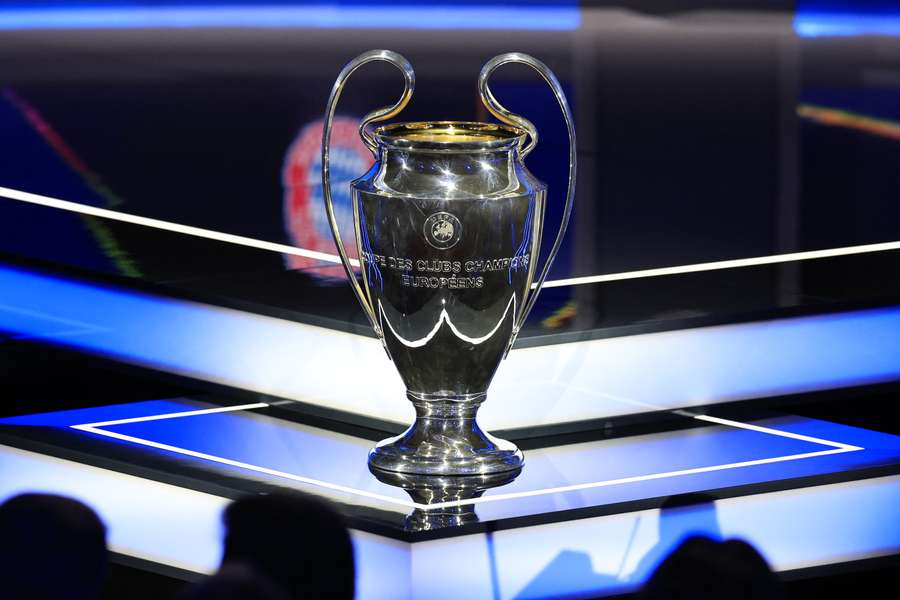
A new chapter in European club football commences this week as the inaugural matches of the expanded Champions League are set to take place, generating interest in the revised format alongside rising apprehensions regarding the increasing number of fixtures.
UEFA, the governing body of European football, recognized the necessity for reform as the conventional group stage became increasingly predictable, and the continent's elite clubs contemplated the formation of an independent Super League.
The outcome is a league phase that includes 36 clubs—an increase of four teams compared to previous seasons—where each team will compete in eight matches against eight distinct opponents, which is two more than in the past.
How UEFA Champions League works
The competition officially kicks off on Tuesday, with reigning champions Real Madrid embarking on their pursuit of a record 16th title in a home match against VfB Stuttgart, the unexpected runners-up from last season's German Bundesliga.
This encounter marks the first meeting between the two teams, while on the same evening, AC Milan will host Liverpool in a significant matchup featuring clubs that collectively hold 13 European Cups.
On Wednesday, Manchester City will face Inter Milan in a rematch of the 2023 final, which was triumphantly secured by Pep Guardiola's squad. For a limited period of one week, Champions League matches will also take place on Thursday, featuring a high-profile clash between Monaco and Barcelona.
The expanded format of the competition allows for a historic encounter as former champions Red Star Belgrade and Benfica are set to compete in Serbia. Additionally, there will be a match between French newcomers Brest and Austrian champions Sturm Graz, which is not typically associated with the European elite.
UEFA president Aleksander Ceferin recently stated to Sky News in Britain, "Ultimately, we have reached a solution that will be advantageous for all parties involved. This will lead to a more unpredictable and engaging competition, marking a significant change."
At the conclusion of the league phase, which now extends into January, the top eight teams will progress to the last 16. Teams ranked ninth to 24th will enter a playoff round to vie for the remaining spots in the last 16, while the bottom 12 teams will face elimination.
There are also increased financial incentives, with the competition winners set to receive over 86 million euros (£72.6 million) in prize money alone, excluding bonuses of 700,000 euros (£591,100) for each point earned during the league phase or revenue from television rights.
The draw has produced numerous exciting matchups in the upcoming months, including Paris Saint-Germain against Arsenal and Manchester City, as well as Madrid facing Borussia Dortmund, Liverpool, and Milan.
Could this be a refreshing change? It has the potential to be a successful innovation that the competition requires in its initial stages, particularly as the final standings in the league phase will influence seedings for the knockout rounds.
However, there are apprehensions regarding the additional matches' effects on players, especially in a season that will conclude with the inaugural edition of the expanded FIFA Club World Cup in the United States.
"At times, the introduction of new elements can benefit competition, and all stakeholders involved; however, what remains challenging to comprehend is the rising frequency of matches," acknowledged Carlo Ancelotti, the coach of Madrid, who is aware of the increased risk of injuries for his players.
READ ALSO: Real Madrid defeat Borussia Dortmund 2-0 to lift record-extending 15th Champions League
Earlier this month, FIFPro, the global union for footballers, expressed concerns that the governing bodies of the sport are "neglecting their responsibility" towards players by failing to provide adequate rest and by scheduling additional matches.
FIFPro highlighted that many players are already overburdened with games, yet opportunities for rest seem to be diminishing. "We require protective measures for players to minimize travel, guarantee rest periods, and ensure proper recovery, enabling them to perform at their best," stated Stephane Burchkalter, acting General Secretary of FIFPro.
Currently, the pressures on players are intensifying, and regarding the Champions League, it remains uncertain whether an increase in scale will lead to an enhancement in quality.
Tags

SportsLigue