
How teams reach the Super Bowl: NFL Playoffs explained
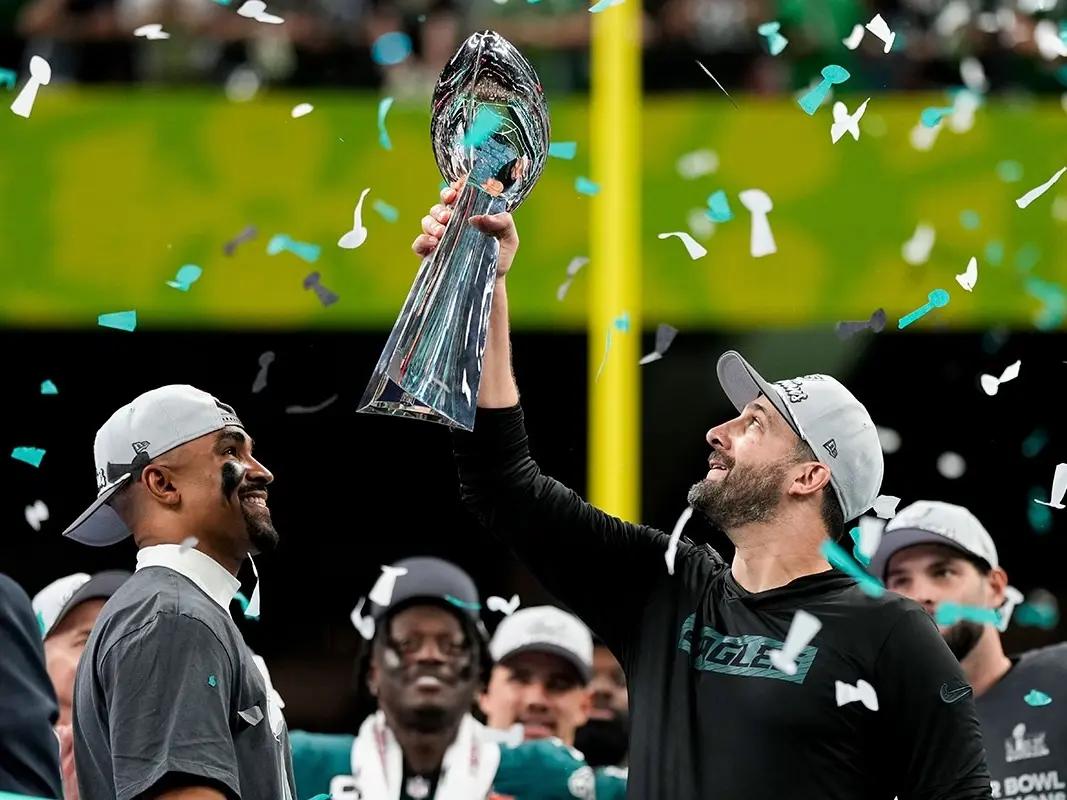
The Super Bowl is the championship game of the National Football League (NFL) and the final destination of the league’s season. Played annually on the first Sunday in February, it pits the best team from the American Football Conference (AFC) against the top from the National Football Conference (NFC). The winner earns the Vince Lombardi Trophy, named after the legendary Green Bay Packers coach.
In the United States, the Super Bowl is a cultural phenomenon, rivalled only by the Olympics and FIFA World Cup in global reach. Outside the U.S., millions tune in to watch high-stakes football, world-class performances and some of the most expensive and talked-about commercials of the year.
How Teams Get There: The Road to the Super Bowl
The journey begins with the NFL regular season, where 32 teams play 17 games over 18 weeks. The league is divided into two conferences (AFC and NFC), each with four divisions.
Playoffs Structure
After the regular season, the NFL Playoffs begin, featuring 14 teams:
- 7 from the AFC
- 7 from the NFC
The teams include division winners and the next best based on regular-season record. Playoff games are single elimination, lose and you’re out.
Progression looks like this:
- Wild Card Round
- Divisional Round
- Conference Championships
- Super Bowl
For example, recent seasons have seen powerhouses like the Kansas City Chiefs, Buffalo Bills and Philadelphia Eagles dominating their conferences and steering deep into the playoff bracket.
History and Evolution of the Super Bowl
The first Super Bowl was played in 1967 as a championship clash between the NFL and the then rival American Football League (AFL). After the leagues merged, the Super Bowl became the definitive NFL title game.
Over 50 years later, it is one of sport’s most anticipated events:
- Early Super Bowls featured foundational franchises like the Packers, Steelers and Cowboys.
- Recent decades have been defined by high-octane passing offenses, shifting strategic priorities and dominant quarterbacks.
Legendary performances and dramatic finishes have defined the game’s lore, pushing it beyond sport into pop culture.
More Than a Game: Cultural Impact
The Super Bowl draws attention from all corners:
1. Media and Entertainment
It’s customary for the halftime show to feature world-class artists. Previous performers have included global stars who bring massive viewership, often eclipsing the game’s ratings.
2. Commercial Showcase
Super Bowl commercials are a spectacle in their own right. Companies invest millions to produce and air ads that are discussed long after kickoff.
3. Global Audience
Though rooted in U.S. sport culture, the Super Bowl attracts international viewers curious about American football, unique fan traditions, and the event’s logistical scale.
Key Elements Fans Should Know
The Vince Lombardi Trophy
Awarded to the winning franchise each year, the trophy symbolises excellence and is named after one of football’s most iconic coaches.
MVP Awards
At the end of the game, a Super Bowl Most Valuable Player (MVP) is named, usually a standout performer whose impact was decisive, often a quarterback, but sometimes a defensive star or special teams player.
Halftime Show
An entertainment centerpiece, the halftime show blends music, choreography and spectacle on par with major global award shows.
Recent Super Bowl Trends
1. Quarterbacks Leading the Way
Modern Super Bowls are often defined by elite quarterbacks, players like Patrick Mahomes, Josh Allen, and Jalen Hurts guide their teams with strategic precision and athleticism.
2. High-Scoring Offenses
The league’s offensive evolution has led to higher scoring games and highlight-reel plays that thrill fans worldwide.
3. International Exhibition
NFL games abroad — in London and Mexico City — and international fan bases have expanded the Super Bowl’s influence well beyond U.S. borders.
Why the Super Bowl Matters Globally
Whether you’re new to American football or a long-time fan, the Super Bowl represents the peak of professional sport:
- Competition: Only one team earns the Lombardi Trophy after months of elimination football.
- Unity: It gathers casual and passionate fans alike in a shared experience.
- Storylines: Players, coaches and franchises all vie not just for a win — but for legacy.
For many athletes, coaches and supporters, nothing in sport compares to Super Bowl glory.
Looking Ahead: Super Bowl 2026 and beyond
Each season reshapes expectations. Current playoff picture discussions point to perennial contenders like Chiefs, Bills, Eagles and rising challengers determined to redefine the league hierarchy.
With new talent, evolving strategies, and relentless competition, the Super Bowl remains one of sport’s biggest annual stages, a blend of athletic excellence, spectacle and cultural resonance.

SportsLigue