
Nico Porteous: The trailblazer who changed New Zealand’s Winter Olympic history
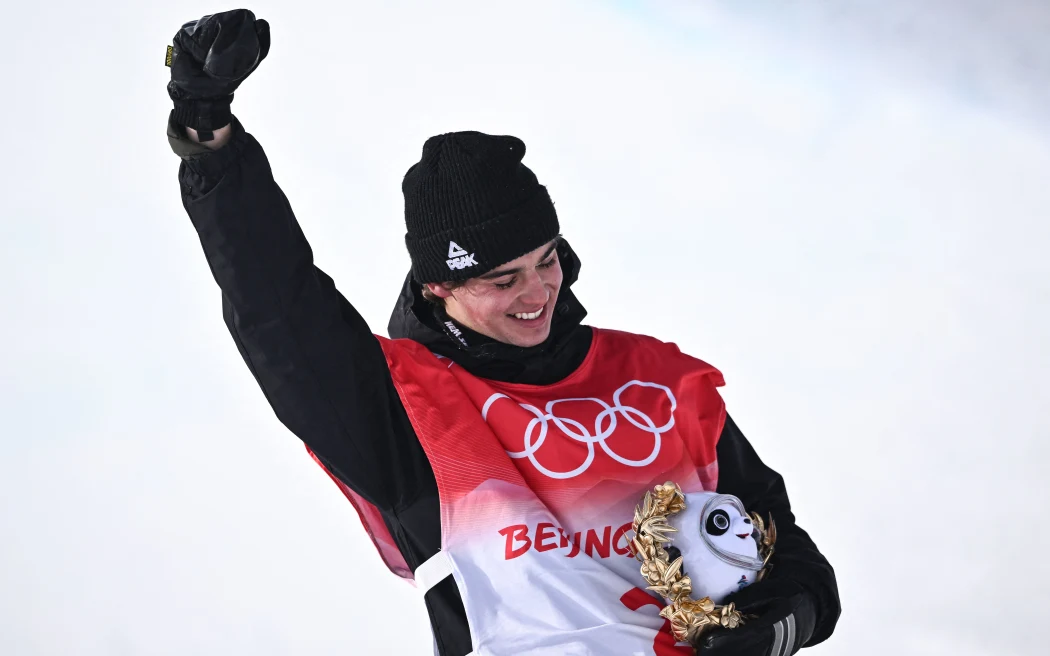
No discussion of New Zealand’s rise as a genuine Winter Olympic nation is complete without Nico Porteous. More than a medal winner, Porteous became a turning point, a proof point that a country better known for rugby and rowing could produce a world-beating freestyle skiing superstar.
Born in Hamilton in 2001, Porteous emerged as a prodigy in men’s freeski halfpipe, a discipline long dominated by athletes from the United States, Canada, and Europe. From an early age, it was clear he possessed a rare combination of technical ability, fearlessness, and composure under pressure, traits that would later define his Olympic legacy.
PyeongChang 2018: A Star is Born
Porteous’ global breakthrough came at the PyeongChang 2018 Winter Olympics. At just 16 years old, he delivered a stunning performance to win bronze in the men’s freeski halfpipe, instantly rewriting New Zealand sporting history.
The medal made him the youngest-ever New Zealand Olympic medallist at a Winter Games, and it signalled something bigger than a single podium finish. For the first time, New Zealand was not simply participating in freestyle skiing, it was contending.
- Related Article: Milano Cortina 2026 Winter Olympics: Everything You Need to Know
That moment helped shift perceptions around what was possible for Kiwi winter athletes, inspiring increased investment, visibility, and belief within the programme.
Beijing 2022: Olympic Gold and History Made
Four years later, Nico Porteous returned to the Olympic stage in Beijing with expectations firmly on his shoulders, and he exceeded them.
In the men’s freeski halfpipe final, Porteous delivered one of the defining runs of the 2022 Winter Olympics. Combining massive amplitude with complex double cork rotations and near-flawless execution, he produced a performance that stood clearly above the field.
The result was historic.
By winning gold, Porteous became New Zealand’s first-ever Winter Olympic gold medallist, cementing his status as one of the most important athletes the country has ever produced. It was not just a personal triumph, but a landmark achievement for New Zealand sport.
Nico Porteous – Olympic Record Snapshot
Olympic medals
- Bronze – PyeongChang 2018 (Men’s Freeski Halfpipe)
- Gold – Beijing 2022 (Men’s Freeski Halfpipe)
Discipline: Freestyle skiing (Halfpipe)
Historic firsts
- Youngest New Zealand Winter Olympic medallist
- First New Zealand Winter Olympic gold medallist
Beyond the Olympics: A World-Class Career
While his Olympic moments captured national attention, Porteous’ influence extended far beyond the Games. Across his career, he built a formidable competitive résumé, collecting World Championship titles, Crystal Globes, and X Games medals.
In doing so, he helped elevate New Zealand into a respected force within global freestyle skiing, no longer an outsider, but a nation capable of producing consistent elite performers.
His success also contributed to a broader pathway for younger athletes, proving that Kiwi skiers could thrive on the sport’s biggest stages without relocating permanently to traditional powerhouses.
Stepping Away at His Peak
In 2024, Nico Porteous made a decision that surprised many: he stepped away from Olympic-level competition while still at the top of his sport.
After spending more than a decade in high-performance environments, beginning elite competition at just 10 years old, Porteous felt the time was right for a change.
“We’re lucky that in our sport, competition isn’t everything,” he explained in an interview with Jack Tame. “With the support of sponsors, we can move into different areas such as making films and doing one-off projects. That area has always really excited me and inspired me.”
With two Olympic medals, a raft of international titles, and a New Zealand Order of Merit to his name, Porteous felt fulfilled by what he had achieved competitively.
“I felt like it was the right time to step aside,” he said.
Advice for the Next Generation
Although he will not compete at the Milano–Cortina 2026 Winter Olympics, Porteous remains closely connected to the sport and deeply aware of the pressures athletes face on the Olympic stage.
For those preparing to compete, his advice is simple but powerful. “Just worry about yourself and worry about your own performance,” he said. “There’s a lot of external stuff that can sort of come into play.”
Reflecting on his own journey, Porteous emphasised the importance of process over expectation. “The biggest skill that I learned through the whole process was to just worry about what you’re doing,” he added. “Be driven by your own process, rather than someone else’s ambitions or goals for you.”
A Legacy That Extends to Milano–Cortina 2026
While Nico Porteous will not be dropping into the halfpipe in Italy, his presence will still be felt throughout the 2026 Winter Games. Athletes like Finley Melville Ives, now emerging as New Zealand’s leading halfpipe contender, are building on the pathway Porteous helped create.
Every Kiwi freestyle skier competing in Milano–Cortina will, in some way, be measured against the standard he set, one defined by innovation, composure, and historic success when it mattered most.
Nico Porteous didn’t just win medals. He changed what New Zealand believed was possible at the Winter Olympics, and that legacy will endure long after his competitive career has ended.

SportsLigue