
Nigeria’s World Cup hope rekindled as DR Congo face FIFA probe over player eligibility
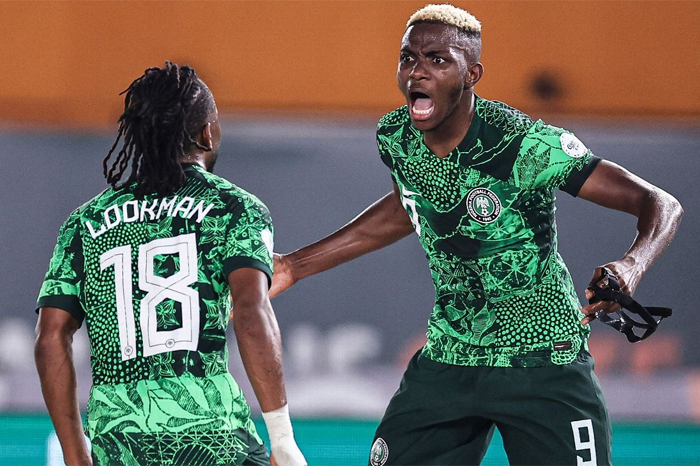
Nigeria’s path to the 2026 FIFA World Cup may not be closed after all, following a formal complaint by the Nigeria Football Federation questioning the eligibility of several DR Congo players used during the African play-offs.
The move could reopen the Super Eagles’ route to the tournament in the United States, Canada and Mexico after their dramatic elimination by DR Congo in November, when the Congolese side triumphed 4–3 on penalties in Morocco.
That defeat appeared to end Nigeria’s hopes of qualifying for a second consecutive World Cup. However, new questions surrounding player nationality and eligibility laws in DR Congo have cast doubt over the legitimacy of that result.
Why DR Congo’s Qualification is under scrutiny
At the heart of the complaint is the status of between six and nine DR Congo players who switched national allegiance before the play-offs. According to the NFF, while FIFA cleared the players based on passport documentation, they may not have satisfied Congolese constitutional requirements, which reportedly prohibit dual citizenship.
Related News: DR Congo end Nigeria’s 2026 World Cup dream in dramatic penalty shootout
Sources within Nigerian football governance believe several players retained European passports without formally renouncing their previous nationalities, a step required under DR Congo’s domestic law.
“NFF has done the needful,” a senior federation executive told Sportsligue.
“Their constitution does not allow dual citizenship. That is the loophole we are exploring, and our legal team has submitted the necessary documents to FIFA.”
FIFA Clearance vs Domestic Law
FIFA regulations allow a player to represent a country once they hold a valid passport and meet nationality-switch criteria. On that basis, the players in question were cleared to feature for DR Congo.
However, the NFF argues that FIFA’s decision was based on misrepresentation, claiming that DR Congo’s football authorities failed to disclose that those players had not completed the legal nationality process required under national law.
NFF General Secretary Dr Mohammed Sanusi confirmed the federation’s position.
“FIFA rules say once you have a passport, you are eligible, and that is why they were cleared,” Sanusi said. “But our contention is that FIFA was deceived. It is not FIFA’s responsibility to enforce Congo’s domestic regulations, they act on what is presented to them. What we are saying is that the process was fraudulent.”
Sanusi specifically referenced players holding French, Dutch and other European passports, including one with a British-linked nationality, as part of the petition.
What’s at Stake
DR Congo have since been granted a bye into the final of the intercontinental play-off, where they are scheduled to face the winner of the semi-final between Jamaica and New Caledonia.
If FIFA rules against DR Congo, their place in that final, and potentially their qualification status, could be revoked, opening the door for Nigeria to be reinstated.
For the Super Eagles, the implications are enormous. Nigeria failed to qualify for the 2022 World Cup in Qatar, and missing a second consecutive tournament would have marked an unprecedented low point for one of Africa’s most successful football nations.
A Rare Second Chance?
Nigeria’s legal challenge has reignited belief among fans and officials that their World Cup dream may yet survive beyond the pitch.
While FIFA has not publicly confirmed the timeline or scope of the investigation, the seriousness of the allegations means DR Congo’s position is now under genuine threat.
The Congolese side has only appeared at the World Cup once, in 1974, when the country competed as Zaire. Their potential return to the global stage now hangs in the balance.
For Nigeria, hope has returned, not through goals or penalties, but through governance, law and the fine margins of international eligibility rules.

SportsLigue