
Ousmane Dembélé: How the 2025 Ballon d’Or Winner finally fulfilled his World-Class Potential
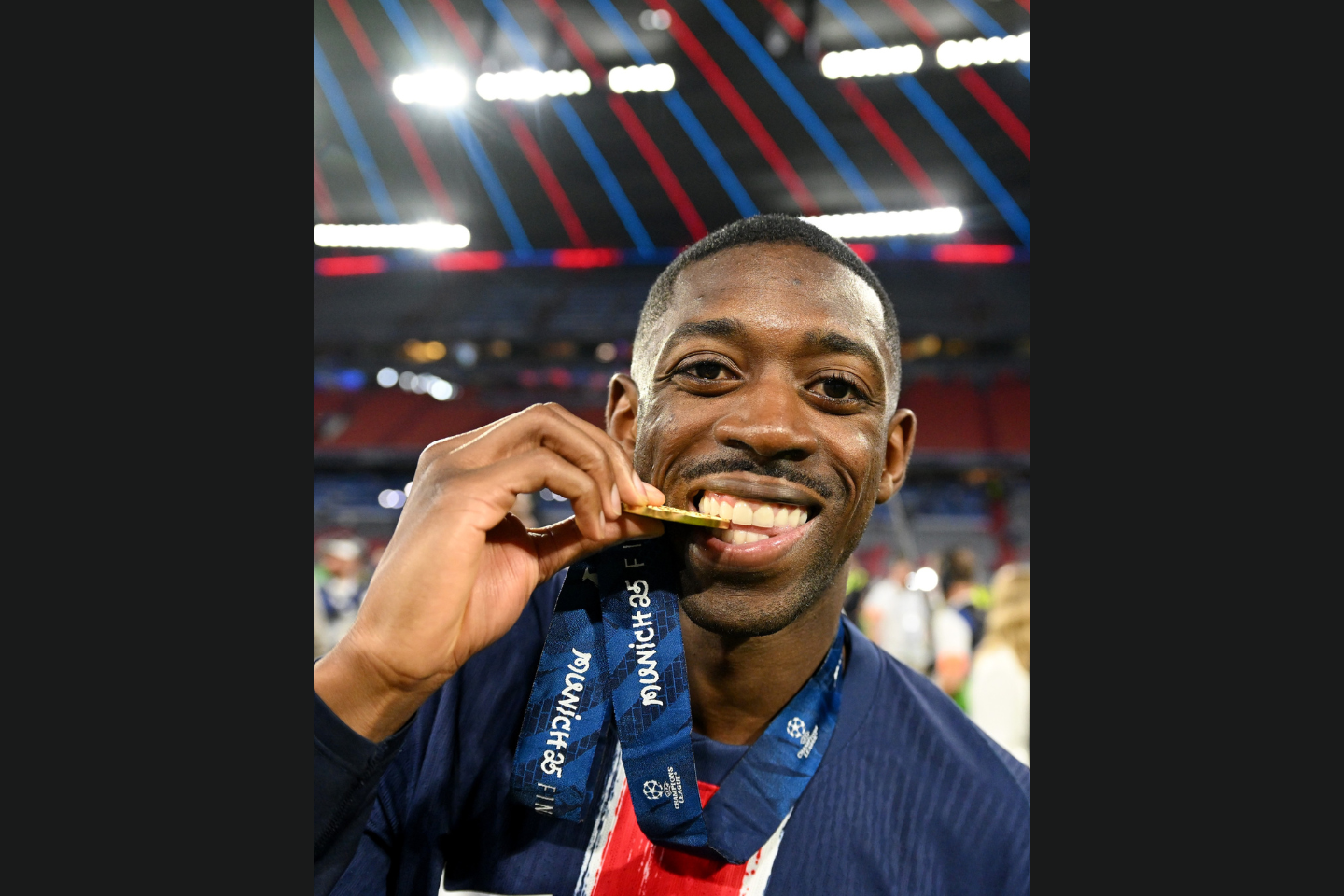
“When used properly, he could become the best player in the world.” Those words from former Barcelona manager Xavi in 2021 echoed a belief many held about Ousmane Dembélé, but few truly expected to see fulfilled. Back then, the Frenchman was battling injuries, inconsistency, and doubts over his attitude after a record-breaking €135.5m move from Borussia Dortmund to Barcelona in 2017.
For years, the winger seemed destined to be remembered as one of football’s great unfulfilled talents. But on a September night in Paris, everything changed. At 28 years old, Dembélé lifted the 2025 Men’s Ballon d’Or, breaking down in tears as he thanked his family for the sacrifices that kept his dream alive.
It was the crowning moment of a career reborn.
A season for the ages
The award came off the back of a sensational 2024/25 season in which Dembélé spearheaded Paris Saint-Germain’s treble-winning campaign.
- 35 goals and 14 assists across all competitions
- Ligue 1, Coupe de France, and UEFA Champions League titles
- A run to the FIFA Club World Cup final
- Champions League Player of the Season
After a quiet start, Dembélé exploded in the second half of the season, becoming statistically Europe’s most in-form forward from January onwards. His goals and creative spark were vital as PSG secured their long-awaited first Champions League title.
What made his achievement even more impressive was the calibre of players he beat to the Ballon d’Or. Liverpool’s Mohamed Salah had more total goal involvements, Real Madrid’s Kylian Mbappé scored more goals, and Barcelona’s Lamine Yamal dazzled the world as football’s next superstar. Yet none of them could match Dembélé’s decisive influence.
Life after Mbappé: the turning point
Ironically, it was the departure of Mbappé to Real Madrid in 2024 that unlocked Dembélé’s potential in Paris. When PSG signed him from Barcelona in August 2023 for £43.5m, he was seen as a supporting star rather than the main man. His debut season brought six goals and 14 assists as Mbappé carried the goalscoring load with 44 strikes.
But when Mbappé left, PSG needed a new talisman. Manager Luis Enrique challenged Dembélé to step into the void: “We now want goals from you. Be egotistical. Think Ballon d’Or.”
The message was clear, no longer just a provider, Dembélé had to become the finisher.
Recommended: Arsenal 0-1 Paris Saint-Germain: Dembele fires PSG past Arsenal in Champions League Semifinal First Leg
Reinvention in a new role
Tactically, the shift was transformative. Previously confined to the right wing, where his job was to stretch defences and supply assists, Dembélé was redeployed as a false nine.
- He drifted centrally, saw more of the ball, and became heavily involved in build-up play.
- Crucially, he was encouraged to shoot more often, converting a higher percentage of chances.
- With greater freedom, he embraced a more ruthless edge, scoring 21 more goals than in any other season of his career.
It wasn’t just about numbers. His composure, leadership, and consistency, long criticised in his younger years, became defining traits of his game. PSG’s dressing room, once dominated by Mbappé’s aura, now revolved around Dembélé’s creativity and determination.
From “what if” to Ballon d’Or
For years, Ousmane Dembélé was football’s great what if. A player blessed with breathtaking speed, ambidexterity, and technical brilliance, yet constantly sidelined by injuries and questions over professionalism.
Now, he is a Ballon d’Or winner, Europe’s most influential forward, and the face of PSG’s new era. His rise is not just a personal redemption story, but a reminder of how football careers can be transformed by resilience, the right tactical fit, and a manager willing to challenge a player to step into greatness.
As Dembélé himself put it on stage in Paris: “This is for everyone who never stopped believing. It was never easy, but it was always worth it.”

SportsLigue