
Why Sunderland’s penalty against Manchester United was overturned
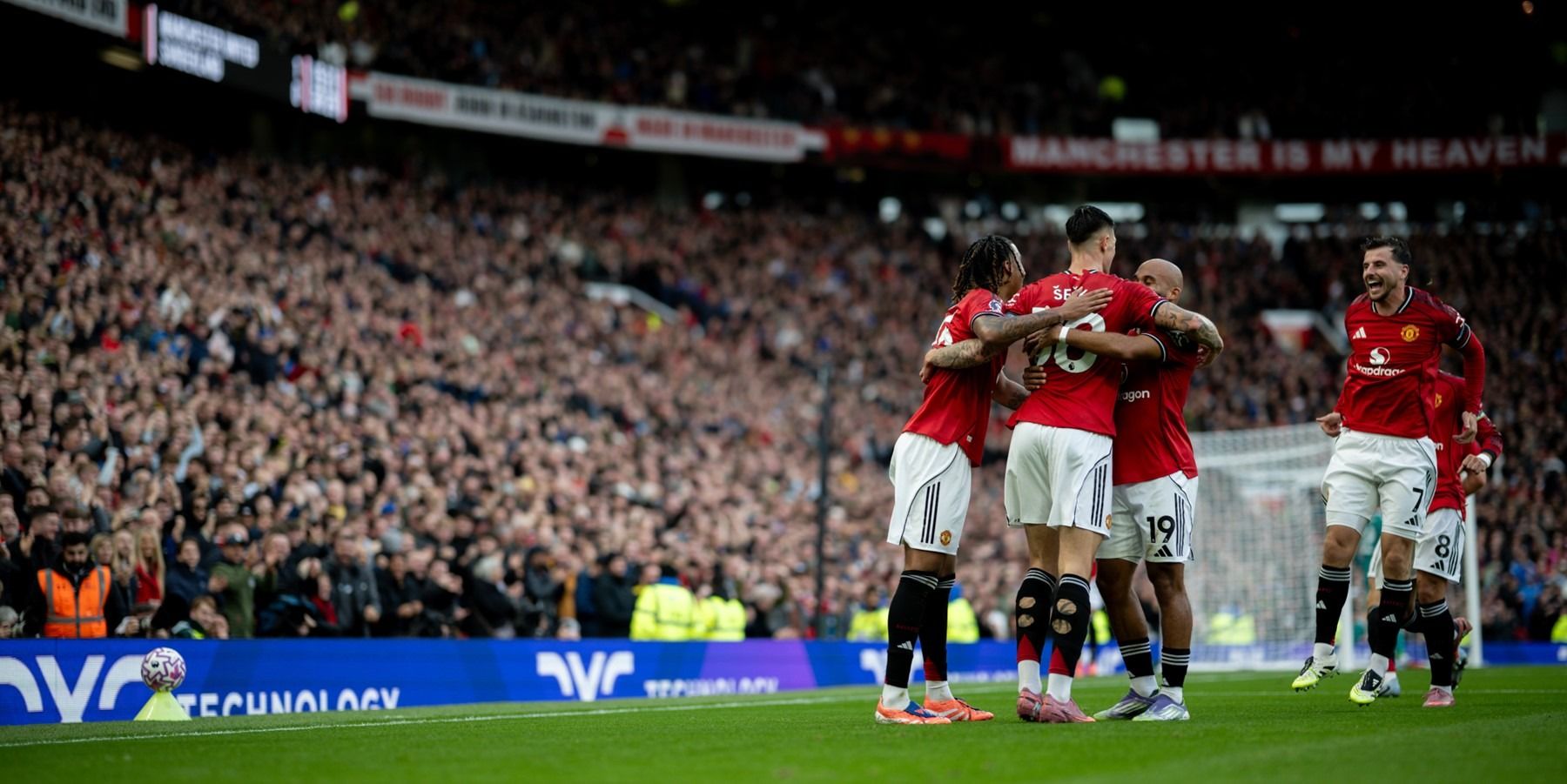
There was drama at Old Trafford on Saturday as Sunderland were briefly awarded a penalty against Manchester United, only for the decision to be overturned after a VAR review. Referee Stuart Atwell initially pointed to the spot following an incident involving Manchester United's Benjamin Šeško and Sunderland's defender Trai Hume, but after a closer look the call was reversed — sparking debate among fans.
What actually happened?
The incident came after a long throw-in from Nordi Mukiele. As the ball dropped inside the penalty area, Šeško raised his foot to try and clear it while Sunderland defender Trai Hume attempted a header. Hume went down holding his face, and after brief consultation with his assistant, Atwell awarded Sunderland a penalty.
Replays, however, told a different story. They showed Šeško’s boot making no contact with Hume’s head. Instead, the ball struck Hume before Šeško even had the chance to follow through. Importantly, Šeško appeared to pull his leg back to avoid making contact with the defender.
Why did VAR overturn the decision?
The Video Assistant Referee quickly reviewed the footage and advised Atwell to check again. Following the review, Atwell announced to the crowd:
“After review, there is no foul by the Manchester United player. There is no contact with the head of the attacker. As the ball is out of play when the decision was made, the final decision is a corner kick.”
The key point here is lack of contact. Without contact, a penalty cannot be awarded for a high boot unless the action is judged as dangerous play, which under Law 12.2 of the IFAB Laws of the Game would result in an indirect free-kick, not a penalty.
Since VAR can only intervene in incidents that directly lead to goals, penalties, or red cards, it would not step in for an indirect free-kick. Therefore, the penalty award was overturned, and play resumed with a corner to Sunderland.
Why was it given in the first place?
Atwell initially appeared unconvinced and did not point to the spot straight away. But after consulting with his assistant referee, who may have thought Hume had been caught in the face by Šeško’s boot, the penalty was awarded. Only when VAR slowed the incident down was it clear there was no contact, and that the call had been incorrect.
Read also: Sunderland are back! Watson’s last-gasp winner sends Black Cats to the Premier League
The Verdict
This moment highlights how VAR’s intervention can correct high-stakes errors. By law, a high foot with no contact can still be punished if deemed dangerous, but in this case, Šeško’s movement to pull away from Hume meant no foul was committed. The overturned penalty was the correct decision under IFAB rules.

SportsLigue