
The NBA Finals Journey of the Oklahoma City Thunder and Indiana Pacers
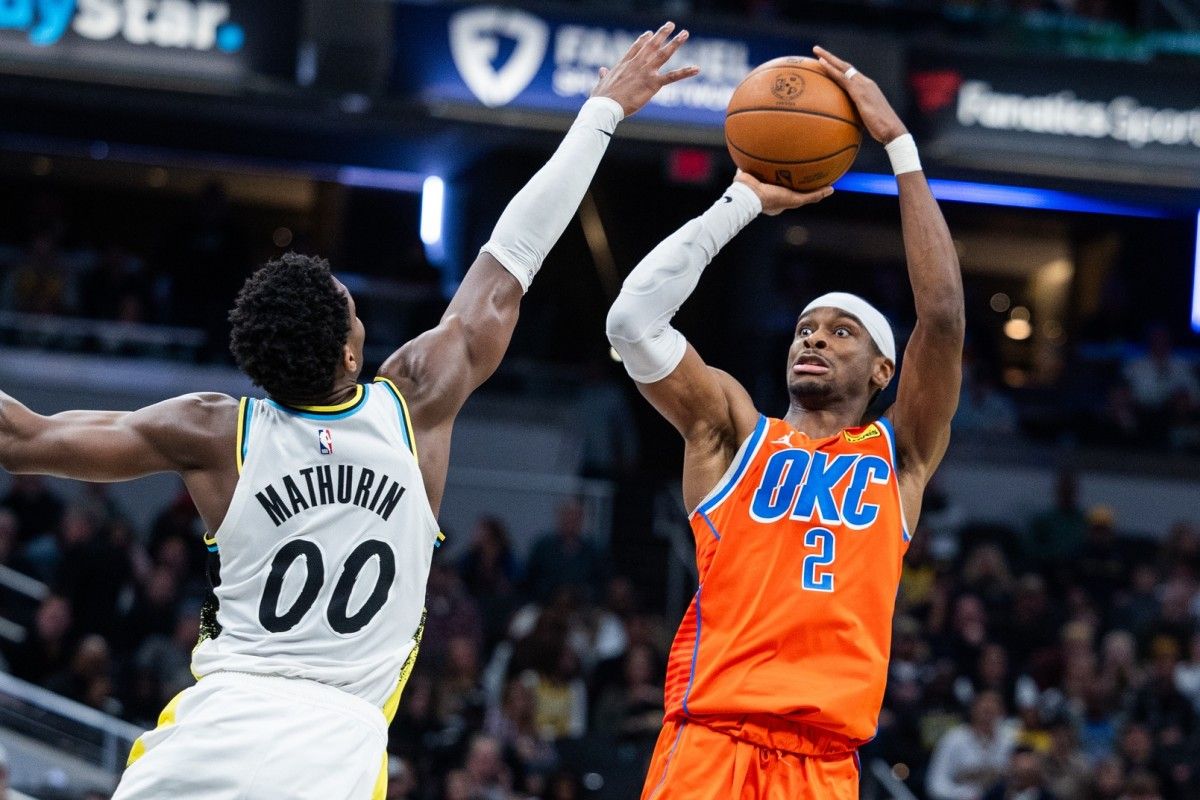
Thunder vs. Pacers: A Finals for the Purists—and for the Future of Team Building
This is merely one statistic among many: the luxury tax, introduced in the NBA in 2003 to penalize teams that exceed the salary cap, has shaped team-building strategies for over two decades. This year’s NBA Finals marks a historic first—two teams that have avoided paying the luxury tax altogether are squaring off: the Oklahoma City Thunder and the Indiana Pacers.
This is a watershed moment.
While a few champions have dodged the tax in the past—the Warriors in 2015 and 2017, and the Lakers in 2020—the frequency and scale of tax penalties have exploded in recent years. The salary cap has hit record highs, yet many franchises still spiral into tax territory. This season alone, a record 11 teams paid the luxury tax, with the Phoenix Suns leading the way—shelling out over $150 million, despite missing the playoffs.
More broadly, this growth in spending reflects the rise of the “super team” era. Yet, four of the ten highest-spending teams in luxury tax history—the Clippers, Knicks, Nets, and Suns—are still chasing their first modern-day title. That three of those four operate in the league’s largest media markets (New York and Los Angeles) underscores a critical truth: money doesn’t guarantee success.
By contrast, Oklahoma City (valued at $3.65 billion) and Indiana ($3.6 billion) are ranked 21st and 22nd in franchise valuation. They play in the NBA’s smallest media markets, cities with populations under a million, located far from coastal glamor and big-brand appeal. Last season, both were among the league’s lowest in attendance, with the Pacers second to last.
So how did they reach the Finals?
Simple: by doing what every front office is supposed to do—building smartly, developing talent, and taking calculated risks.
The Haliburton and Shai Effect: Betting Big and Betting Right
In 2022, Indiana made what was widely considered a bold (some said reckless) move by trading All-Star Domantas Sabonis to Sacramento in exchange for a young point guard, Tyrese Haliburton. Though highly regarded, Haliburton was still unproven at the highest level. Sabonis, meanwhile, was an elite big man—at the time, one of the top five centers in the league.
Fast-forward three years: the Pacers are in the Finals. Sacramento isn’t.
Oklahoma City’s leap is even more storied. In 2019, the Thunder traded Paul George, fresh off an MVP-caliber season, to the Clippers for a treasure trove of draft picks—and a promising rookie named Shai Gilgeous-Alexander.
Today, Shai is an MVP finalist, while the Clippers, despite their star-studded roster, have yet to get past the conference finals.
Team Building > Star Stacking
What’s common between these two teams? A commitment to long-term vision. Both franchises resisted the temptation to chase stars in favor of building a cohesive, balanced roster around their core players.
The Thunder have nurtured rising stars like Jalen Williams, Cason Wallace, and Lu Dort, alongside the strategic addition of Isaiah Hartenstein, a player whose impact is not always visible on the stat sheet but felt deeply in the trenches.
The Pacers, for their part, made a strong move by acquiring Pascal Siakam, a proven champion whose experience has anchored their young squad. His performance in the conference finals earned him MVP honors, validating the front office’s trust.
Letting Go to Grow
Both teams have made tough but necessary calls—OKC trading Josh Giddey to Chicago for Alex Caruso during the playoffs, and Indiana parting ways with Buddy Hield to make space for rising talent. These aren’t just cap moves; they reflect bold choices made in service of team identity and performance.
Crucially, both franchises rejected the superstar-aggregation model that has become a hallmark of recent years. Teams have often mortgaged chemistry and flexibility to appease a superstar with more stars. Rarely does it work.
The most recent cautionary tale? The Phoenix Suns, with their trio of Devin Booker, Kevin Durant, and Bradley Beal, now face questions about fit, defense, and depth after a disappointing season.
We’ve seen it before—OKC’s own failed experiment with Westbrook, George, and Carmelo Anthony, or Brooklyn’s ill-fated super team of Durant, Harden, and Irving. The pattern is familiar: big names, big contracts, but no big wins.
A League of Balance or a League of Stars?
To combat the deepening gulf between rich and richer, the NBA has introduced harsher tax penalties, including the loss of draft picks for teams that consistently overspend. It’s a start, but the league's commercial interests in stars and coastal markets remain strong.
Still, the emergence of OKC and Indiana provides a refreshing counter-narrative—a reminder that strategic team-building, not just star power or massive payrolls, can lead to championships.
In a sport that often rewards celebrity, these two small-market teams have reminded us of something vital:
Basketball is, at its core, a team game.
And in 2025, that might just be the best news the NBA could deliver to fans around the world.
Chris John