
The Rise of Women’s Sports: A Global Boom in Infrastructure and Investment
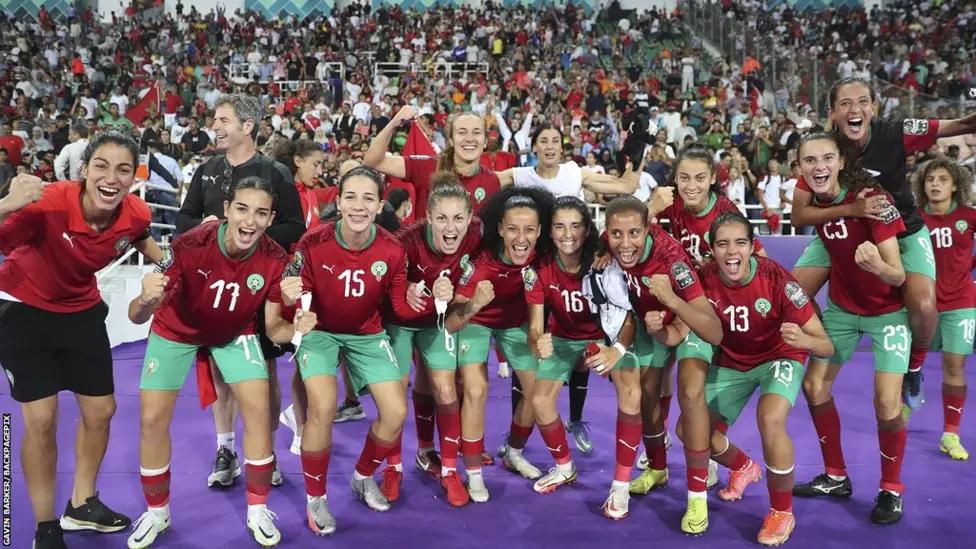
The rapid growth of women’s sports is sparking an unprecedented surge in investment, with new stadiums, training facilities, and financial backing reshaping the landscape of professional women’s athletics across the world. From Europe to Africa and Asia, leagues and teams are seeing record-breaking interest and capital pouring in, signaling a new era where women’s sports are not just about representation but also serious business.
Investment in Facilities: A Game-Changer
The National Women’s Soccer League (NWSL) in the U.S. is leading the charge with significant infrastructure developments. Kansas City Current opened the first-ever purpose-built women’s soccer stadium last year, and Denver, which will debut an NWSL team in 2026, has committed to building a privately financed stadium. The Indiana Fever, the WNBA team that landed Caitlin Clark, is set to receive a $78 million state-of-the-art training facility by 2027, and the Chicago Sky will move into its own training space ahead of the 2026 season.
Europe is following suit. The Women’s Super League (WSL) in England has seen increased investment in facilities, with Chelsea, Arsenal, and Manchester City upgrading their women’s teams’ training grounds. Barcelona Femeni, one of Europe’s most dominant women’s clubs, recently unveiled plans for a dedicated complex at their revamped Johan Cruyff Stadium.
In Africa, the Confederation of African Football (CAF) has emphasized improved infrastructure for women’s leagues, with Morocco’s Royal Football Federation investing heavily in training facilities for its women’s national team. South Africa’s Women’s Premier League teams, including Mamelodi Sundowns Ladies, are benefiting from new partnerships aimed at improving player conditions.
Asia is also making strides. The Women’s Asian Cup has seen improved stadium conditions, and Japan’s WE League has established long-term investment plans to develop youth and professional women’s football. China has allocated millions to improve training centers for its women’s national team, as the country aims to reclaim its status as a global powerhouse.
The Shift from Advocacy to Business
While women’s sports have long been championed for equity and representation, the narrative has shifted as revenue projections surpass $1 billion globally. Investors, broadcasters, and sponsors now view women’s leagues as lucrative opportunities rather than mere social causes. The Bhathal family, owners of NWSL’s Portland Thorns and the city’s new WNBA expansion team, is building a $150 million training facility, signaling confidence in women’s sports as a sustainable business.
Across the globe, major athletes are investing in women’s sports. Tennis icon Serena Williams recently acquired a stake in the WNBA’s Toronto expansion team, while New York Liberty’s Sabrina Ionescu joined the ownership group of Bay FC in the NWSL. Disney CEO Bob Iger and his wife, Willow Bay, took a controlling interest in Angel City FC at a $250 million valuation.
Breaking Records in Viewership and Attendance
Viewership and attendance figures are also smashing records. The arrival of Caitlin Clark in the WNBA has nearly doubled league attendance, while the Women’s Champions League in Europe saw a historic crowd of over 90,000 for Barcelona’s clash with Wolfsburg.
Even in cricket, the Women’s Premier League (WPL) in India has drawn massive audiences, with its opening season generating over $100 million in sponsorship revenue. The success of the WPL is inspiring similar investments in women’s rugby and other sports across Asia and beyond.
The Future of Women’s Sports
Industry experts predict that this wave of investment will only grow. Karina LeBlanc, former goalkeeper and executive for the Portland Thorns, emphasized the importance of fan engagement: “Everybody plays a role. Whether you’re buying a ticket, turning on the TV, or engaging on social media, every action contributes to the future of women’s sports.”
With global interest at an all-time high and new financial commitments pouring in, women’s sports are transitioning from a passion project to a fully-fledged business industry. The question is no longer whether women’s sports can thrive—it’s how big they can become.

SportsLigue