
Three nations aiming to break historic World Cup curses in 2026 as newcomers emerge on the global stage
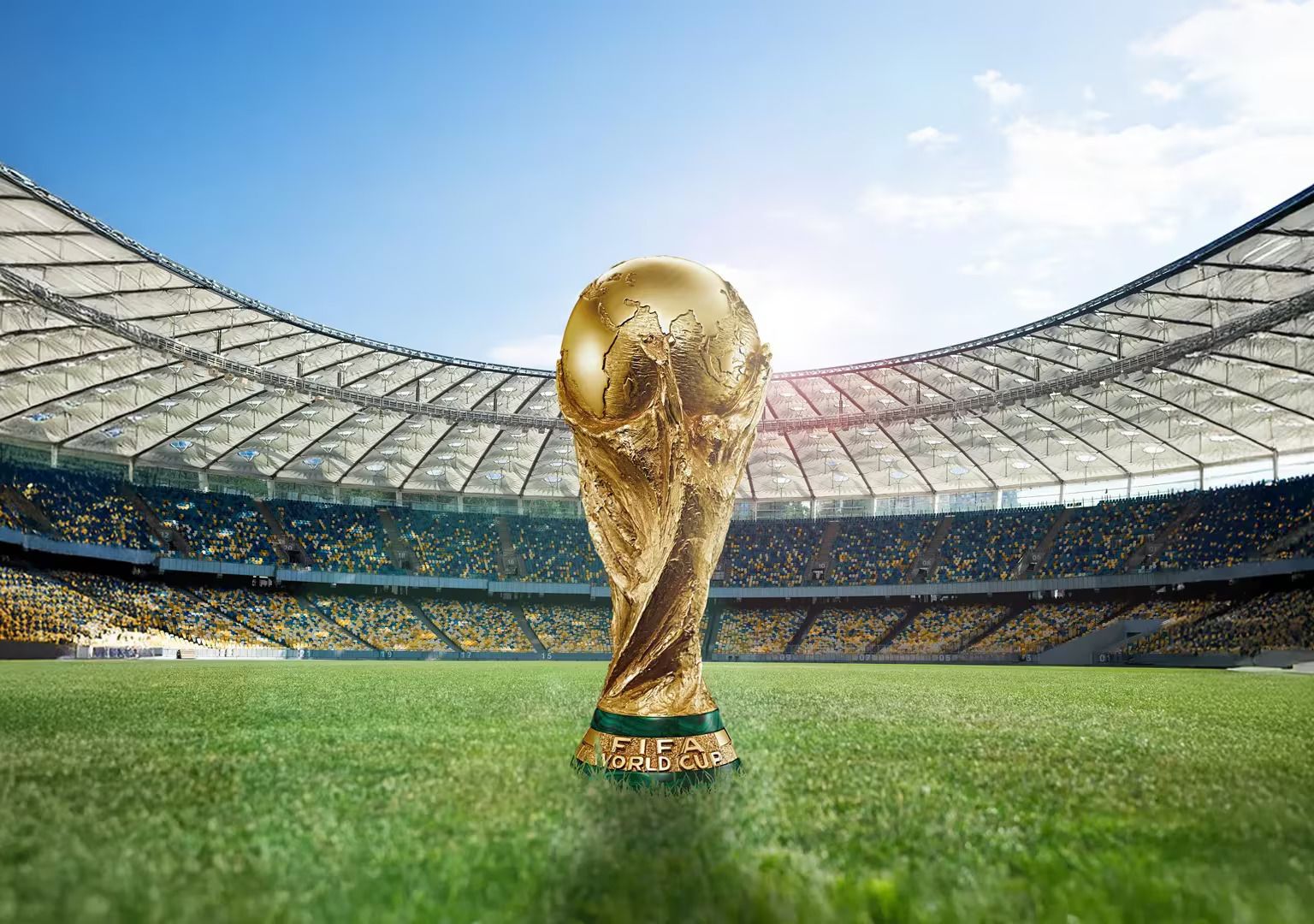
The countdown to the 2026 FIFA World Cup is gathering pace, and this edition already promises to reshape the competition’s landscape. With the field expanded to 48 teams, qualifiers have delivered a blend of predictable powerhouses and thrilling first-time entrants. Argentina, the defending champions, and England, fresh off consecutive European Championship finals, sealed their spots early. Yet, the real story so far lies with the underdogs who refused to be intimidated by history or reputation.
Cape Verde became the smallest nation ever to qualify, finishing ahead of Cameroon in an achievement that instantly earned global admiration. In Asia, Uzbekistan and Jordan secured their first-ever World Cup berths, sparking celebrations that stretched from Tashkent to Amman. Their qualification represents more than a sporting milestone; it signals a shifting balance in international football, where ambition and organisation can close gaps once thought unbridgeable.
Related: Curaçao becomes the smallest nation ever to qualify for the FIFA World Cup
But while these emerging nations prepare for their debut on the sport’s grandest stage, some established forces face a different pressure altogether. For them, 2026 isn’t only about progressing, it’s about overcoming curses that have followed them across generations. Three contenders in particular head into next summer with long-standing narratives they’re desperate to rewrite.
England: Sixty Years of Searching for a Second Star
Whenever the World Cup approaches, the familiar conversation resurfaces: can England finally bring the trophy home again? Oddsmakers certainly think they’re in contention. But with every new tournament, the weight of the past grows heavier.
Their only triumph came in 1966. Since then, England have lived through penalty heartbreaks, upsets, and near-misses. Despite boasting one of the world’s most talented squads and reaching the latter stages of major tournaments in recent years, that elusive second star continues to slip out of reach.
Related: Full List of 2026 World Cup Qualifiers grows as Norway & Portugal join in
Next summer offers a fresh opportunity, but it also comes with expectation at an all-time high. With the expanded format, squad depth, and a generation of elite players, anything short of a deep run will feel like another painful chapter added to the long-running saga.
The Rising Wave: New Football Nations ready for their moment
The beauty of the World Cup has always been its ability to welcome new stories, new flags, and new dreams. Cape Verde, Uzbekistan, and Jordan carry that energy into 2026.
Cape Verde’s qualification stunned the African football scene. Against a country with Cameroon’s pedigree, finishing top required discipline, belief, and tactical maturity. Their rise is no accident but the result of years of development and diaspora-driven talent pipelines.
Related: FIFA confirms over 1 million tickets sold for the 2026 World Cup in North America
Uzbekistan enter the tournament with a reputation for producing technically sharp footballers, long considered one of Asia’s strongest sides never to make a World Cup, until now. Jordan, meanwhile, rode a wave of momentum built during recent continental campaigns, proving that their direction is firmly upward.
For all three, simply qualifying isn’t the end goal. They arrive with nothing to lose and an opportunity to challenge assumptions.
Domestic Football in Ireland: A Story of Growth and Community Strength
While global football looks ahead to 2026, another compelling narrative continues to unfold closer to home. The League of Ireland Premier Division, over a century old, remains a vital piece of the country’s sporting culture. It has battled financial limitations and stiff competition from the English game for years, but recent momentum suggests a league on the rise.
Clubs like Shamrock Rovers, Bohemians, and Dundalk have strengthened their connection with fans through community engagement and modern digital outreach. Attendance numbers are gradually improving, supported by better broadcasting deals and stronger online visibility.
The league’s competitive balance still has work to do. Shamrock Rovers dominated between 2020 and 2023, lifting four consecutive titles. Yet the growing spotlight, improved facilities, and renewed investment give smaller clubs a chance to build sustainable projects that can eventually challenge the hierarchy.
Youth development has become another cornerstone. Academies across the country are producing players with the technical and mental tools to thrive both domestically and abroad. This has given clubs a pathway to financial stability through player sales, while giving supporters new generations of homegrown talent to rally behind.
Off the pitch, matchdays have changed significantly. Better stadium experiences, upgraded grounds, family-friendly environments, and improved food options have modernised the feel of the league without stripping away its authenticity.
But beyond the football itself, the Premier Division represents something deeper. Local derbies, especially the fierce Dublin clashes—carry decades of history and community legacy. These matches are cultural events, preserving identity in a fast-changing sporting world.
Looking Ahead: A Global and Local Football Future Full of Possibility
As the football world gears up for the first 48-team World Cup, the blend of tradition, ambition, and fresh energy makes the road to 2026 feel more unpredictable than ever. Newcomers are stepping into the spotlight, while giants prepare to confront familiar shadows.
From global narratives to the continued evolution of Irish domestic football, the sport is moving into a phase where opportunity is more widely spread, and where old curses may finally be broken.

SportsLigue