
Top 20 Richest Sports Team Owners in America 2025
Owning a professional sports franchise in the United States has never been more lucrative or more exclusive.
In 2025, the top 20 richest sports team owners in America are worth a combined $607 billion, marking a 20% increase from the previous year. The minimum net worth required to make the list now sits at $10.1 billion, up sharply from just $6.6 billion three years ago, underlining how rapidly wealth at the top of sports ownership is concentrating.
What’s striking is that most of this growth has little to do with wins and losses. Instead, it’s being fueled by technology stocks, private equity, real estate empires, and global consumer brands, with team ownership acting as both a prestige asset and a powerful revenue amplifier.
The Top 20 Richest Sports Team Owners in the U.S. (2025)
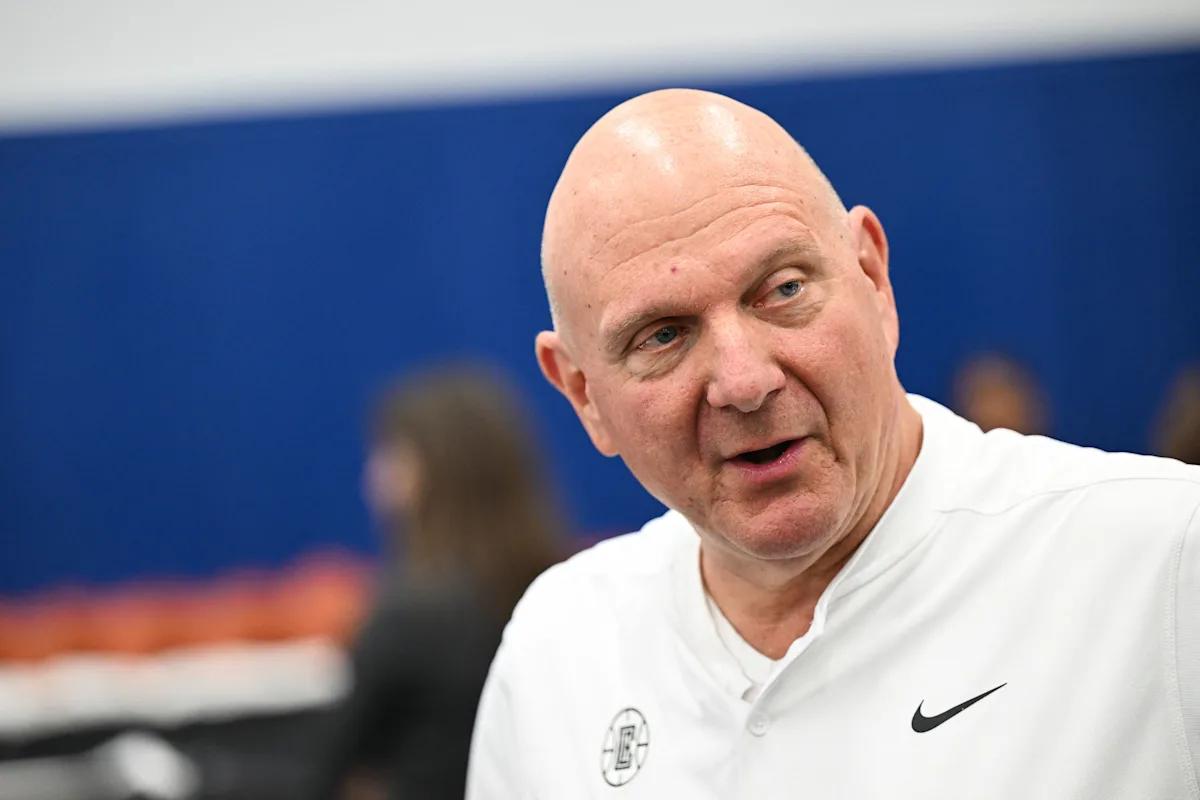
1. Steve Ballmer – $153bn
Team: Los Angeles Clippers (NBA)
Primary wealth source: Microsoft
Steve Ballmer remains the wealthiest sports owner in America by a historic margin. His fortune continues to be anchored in Microsoft, where sustained enterprise cloud growth and AI integration have pushed the company’s valuation to new highs. In sports, Ballmer has reshaped the Clippers into a modern revenue machine. The opening of the Intuit Dome in Inglewood marks one of the most ambitious privately funded arena projects in NBA history, built with an emphasis on fan data ownership, premium seating, and year-round monetisation. The franchise’s valuation and commercial independence now rival legacy NBA brands.
2. Rob Walton – $118bn
Team: Denver Broncos (NFL)
Primary wealth source: Walmart
As the eldest son of Walmart founder Sam Walton, Rob Walton’s wealth continues to grow alongside the retail giant’s global expansion. Since acquiring the Denver Broncos in 2022, Walton has taken a hands-off operational approach, delegating control to Greg Penner. Off the field, the Broncos are investing heavily in infrastructure, including a new $175 million headquarters, positioning the franchise for long-term commercial growth in a competitive NFL market.
3. Miriam Adelson – $37.9bn
Team: Dallas Mavericks (NBA)
Primary wealth source: Casinos
Miriam Adelson inherited a global gaming empire following the death of her husband, Sheldon Adelson, and has quickly emerged as one of the NBA’s most influential owners. Her acquisition of the Dallas Mavericks reshaped the league’s ownership landscape. Beyond basketball, Adelson remains a dominant figure in US politics and international gaming, while the Mavericks’ market strength keeps the franchise among the NBA’s most commercially valuable assets.
4. Henry Samueli – $27.7bn
Team: Anaheim Ducks (NHL)
Primary wealth source: Semiconductors (Broadcom)
Samueli’s net worth has surged alongside the artificial intelligence boom, as Broadcom’s chips play a critical role in global AI infrastructure. In sports, he is executing one of the most ambitious arena-led redevelopment projects in North America. The OCVibe district, anchored by the Honda Center, aims to transform the Ducks into the centerpiece of a $5 billion entertainment ecosystem, reinforcing the franchise’s long-term valuation well beyond hockey revenues.
5. Dan Gilbert – $26.7bn
Team: Cleveland Cavaliers (NBA)
Primary wealth source: Mortgage lending (Rocket Companies)
Despite a year-on-year decline in net worth, Gilbert remains a cornerstone NBA owner. His broader influence extends through real estate, fintech, and downtown Detroit redevelopment. The Cavaliers’ valuation has climbed steadily, and discussions around a potential minority stake sale could unlock further liquidity without sacrificing control.
6. Robert Pera – $24bn
Team: Memphis Grizzlies (NBA)
Primary wealth source: Wireless networking (Ubiquiti)
Robert Pera posted one of the fastest wealth expansions among sports owners, driven by Ubiquiti’s stock surge. Though the Grizzlies remain a small-market franchise, their valuation has grown significantly. Planned $550 million arena renovations are designed to keep the team in Memphis long term, stabilising revenues and enhancing premium hospitality offerings.
7. David Tepper – $23.7bn
Teams: Carolina Panthers (NFL), Charlotte FC (MLS)
Primary wealth source: Hedge funds
Tepper’s Appaloosa Management remains a major force in global markets, while his sports investments focus on infrastructure renewal. The Panthers’ $1.3 billion stadium renovation project signals a long-term commitment to Charlotte as a multi-sport hub. Tepper’s MLS ownership further diversifies his sports portfolio as US soccer valuations continue to rise.
8. Steve Cohen – $23bn
Team: New York Mets (MLB)
Primary wealth source: Hedge funds (Point72)
Cohen is MLB’s most aggressive spender and its richest controlling owner. His willingness to invest heavily in player contracts has reset expectations in baseball economics. Beyond the field, Cohen’s vision includes an $8 billion Citi Field redevelopment, potentially turning the Mets into one of the most lucrative sports-real-estate plays in the US.
9. Stanley Kroenke – $21.3bn
Teams: Rams, Nuggets, Avalanche, Arsenal, more
Primary wealth source: Real estate and sports
Kroenke operates one of the most expansive sports portfolios in the world. The Los Angeles Rams and SoFi Stadium anchor his empire, generating unmatched event-day and non-event revenue. His ownership model emphasises venue control, global branding, and multi-league synergies, particularly through Arsenal’s international fanbase.
10. Jerry Jones – $19.6bn
Team: Dallas Cowboys (NFL)
Primary wealth source: Energy and sports
Jerry Jones has turned the Cowboys into the most valuable franchise in global sports history. AT&T Stadium functions as a year-round entertainment venue, while the Cowboys’ sponsorship portfolio remains unmatched in the NFL. Despite on-field criticism, Jones’ commercial dominance continues to define modern sports ownership.
11. Philip Anschutz – $19.4bn
Teams: LA Kings (NHL), LA Galaxy (MLS)
Primary wealth source: Energy, entertainment
Through Anschutz Entertainment Group, Anschutz controls dozens of arenas and stadiums worldwide. His ownership model blends sports, live music, and real estate, positioning franchises like the LA Kings within a broader entertainment ecosystem rather than as standalone assets.
12. Stephen Ross – $17bn
Team: Miami Dolphins (NFL)
Primary wealth source: Real estate
Ross has transformed the Dolphins into a multi-sport and entertainment brand. Hard Rock Stadium now hosts NFL games, Formula 1, tennis, and major concerts, reflecting Ross’ venue-first revenue philosophy. New private-equity ownership rules further strengthen the franchise’s financial flexibility.
13. Shahid Khan – $14.3bn
Teams: Jacksonville Jaguars (NFL), Fulham FC
Primary wealth source: Auto parts
Khan’s dual-continent ownership reflects the globalization of sports investment. In Jacksonville, he is leading a $1.4 billion stadium redevelopment, while Fulham benefits from Premier League exposure and London’s commercial pull.
14. Robert Kraft – $13.8bn (tie)
Teams: New England Patriots, Revolution
Primary wealth source: Manufacturing and sports
Kraft’s ownership legacy is deeply tied to the Patriots dynasty era. Gillette Stadium remains one of the NFL’s most efficient revenue generators, and Kraft continues to leverage nostalgia, branding, and infrastructure investment to sustain long-term value.
14. Antony Ressler – $13.8bn (tie)
Team: Atlanta Hawks (NBA)
Primary wealth source: Private equity
Ressler applies a private-equity mindset to sports ownership. His backing of mixed-use developments around State Farm Arena reflects a growing trend of district-based monetisation in the NBA.
16. Arthur Blank – $11.4bn
Teams: Atlanta Falcons, Atlanta United
Primary wealth source: Home Depot
Blank’s Mercedes-Benz Stadium is widely regarded as one of the most versatile venues in American sports. His MLS success with Atlanta United underscores soccer’s growing commercial relevance in the US.
17. Tilman Fertitta – $11bn
Team: Houston Rockets (NBA)
Primary wealth source: Hospitality and gaming
Fertitta’s ownership blends sports with global hospitality, gaming, and entertainment assets. His diversified revenue base cushions sports volatility and enhances franchise stability.
Related Article: Kevin Durant signs $90m Extension with Houston Rockets
17. Josh Harris – $11bn
Teams: Washington Commanders, 76ers, Devils
Primary wealth source: Private equity
Harris is overseeing one of the NFL’s most significant stadium relocation projects, returning the Commanders to Washington, D.C. His multi-team ownership strategy mirrors European-style sports conglomerates.
19. Micky Arison – $10.1bn (tie)
Team: Miami Heat (NBA)
Primary wealth source: Cruise industry
Arison’s three decades of stable ownership have made the Heat one of the NBA’s most consistently successful franchises on and off the court.
19. Tom Gores – $10.1bn (tie)
Team: Detroit Pistons (NBA)
Primary wealth source: Private equity
Gores is betting on youth development and long-term franchise rebuilding, while expanding his sports equity holdings beyond the NBA.
Tags

SportsLigue