
Tottenham appoint Igor Tudor as interim manager after Thomas Frank exit
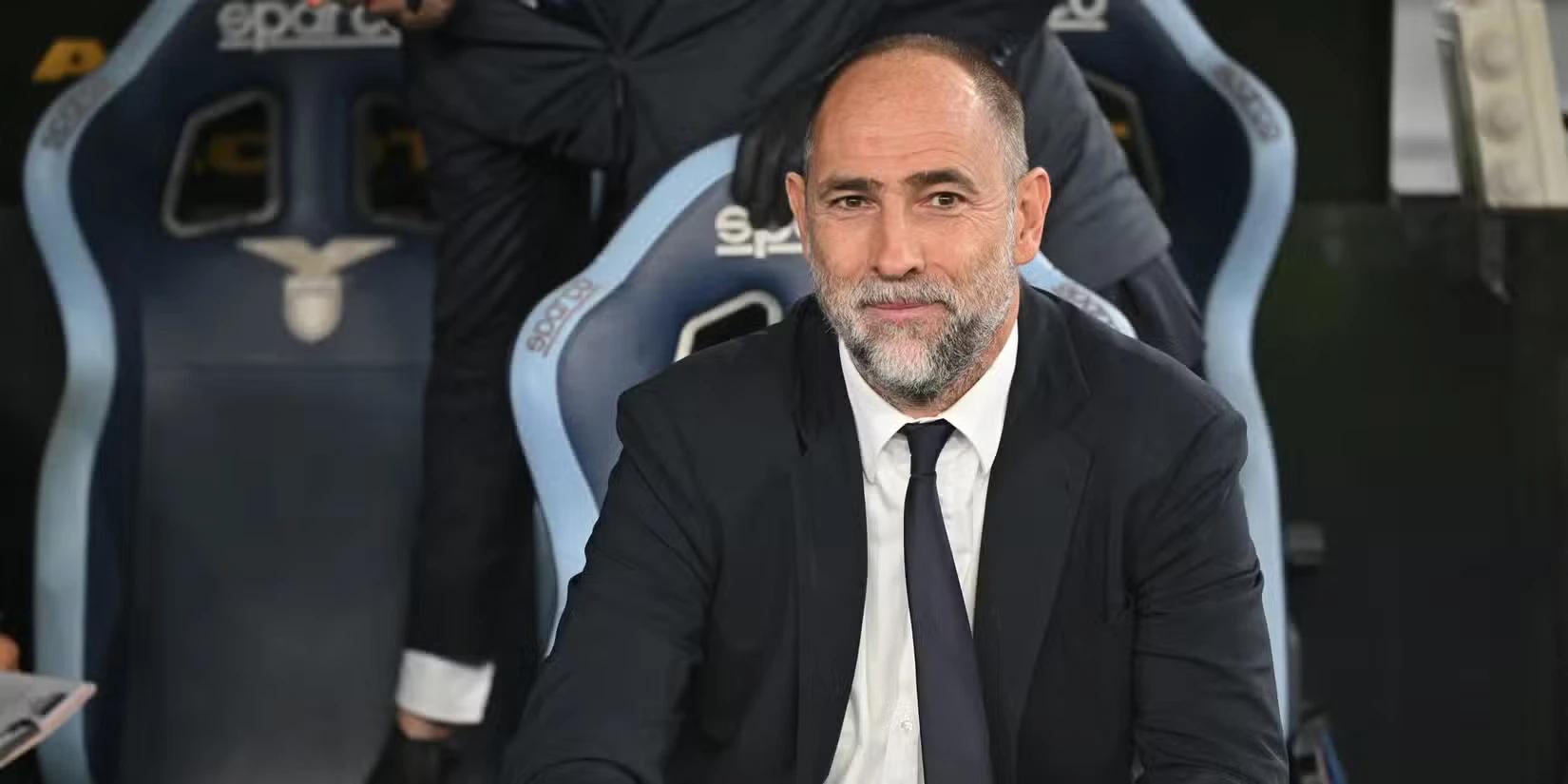
Tottenham Hotspur have confirmed the appointment of Igor Tudor as interim head coach until the end of the season, turning to the experienced Croatian in a bid to steady a campaign veering dangerously off course.
The 47-year-old replaces Thomas Frank, who was dismissed earlier this week following a 2–1 defeat to Newcastle United. Spurs sit just five points above the Premier League relegation zone and have won only two of their last 17 league matches.
- Related News: Tottenham sack Thomas Frank after Newcastle defeat
The deal was agreed verbally on Friday and officially ratified on Saturday, with Tudor stepping into one of the most pressurised roles in English football.
“It is an honour to join this club at an important moment,” Tudor said in the club’s announcement. “My focus is clear — to bring greater consistency to our performances and compete with conviction in every match.”
Why Spurs chose Tudor
Tottenham’s hierarchy made it clear they were seeking a short-term appointment rather than an immediate long-term solution. That narrowed the field considerably.
According to sporting director Johan Lange, Tudor’s profile matched the club’s urgent needs: clarity, intensity, and experience navigating difficult situations.
“Igor brings clarity, intensity and experience of stepping into challenging moments and producing impact,” Lange said. “Our objective is straightforward — stabilise performances and compete strongly in the Premier League and Champions League.”
Tudor’s track record supports that assessment. When he took charge of Juventus late in the 2024–25 season, the Italian giants were drifting outside the Champions League places. He guided them to a fourth-place finish after losing just one of his first 11 matches.
However, his second season unravelled quickly. An eight-match winless run saw Juventus slide to eighth in Serie A, prompting his dismissal in October.
That volatility defines Tudor’s managerial résumé — strong initial impact, followed by tension or decline.
The Task: Relegation Fight and European Hope
Tottenham’s immediate challenge is survival. Their current league position — 16th, represents their lowest point in years, and relegation fears are no longer theoretical.
Yet paradoxically, Spurs remain alive in Europe. They have reached the last 16 of the Champions League, offering a rare bright spot in an otherwise turbulent season.
Tudor’s first match could hardly be more demanding: a north London derby at home to league leaders Arsenal on February 22. He will have less than a week to implement ideas once players return from a short break following the club’s early FA Cup exit.
What style will Tudor bring?
Observers familiar with Tudor’s previous work expect an immediate cultural shift.
During his spell at Olympique de Marseille, his side played a high-intensity 3-5-2 system built on aggressive pressing, vertical transitions, and relentless physical output. That season, Marseille finished third in Ligue 1 with an improved points tally compared to the year prior.
Tudor’s philosophy is straightforward: if you don’t run, you don’t play.
He demands compact defensive structures, wing-oriented attacking phases, and rapid progression once possession is regained. At Lazio, his early unbeaten run reflected how quickly his methods can energise a squad.
The question at Tottenham is whether the current group — criticised under Frank for lacking cohesion and attacking identity — can adapt quickly enough.
Why it didn’t work at Juventus
Tudor’s tenure at Juventus offers cautionary lessons. After an encouraging start, internal tensions reportedly surfaced during the summer transfer window. Disagreements over recruitment and squad selection created instability, and public criticism of players did little to ease friction.
He departed with eight wins in 17 league games in his final stretch, a 47% win rate that failed to meet expectations at a club accustomed to domestic dominance.
Still, his overall career record shows consistency in short bursts. Across spells with Hajduk Split, Galatasaray, Udinese, Verona and Marseille, Tudor has averaged competitive points-per-game returns and often improved teams quickly upon arrival.
Interim — For Now
Tottenham are believed to be assessing long-term candidates for the summer, with former manager Mauricio Pochettino among names linked once his commitments with the United States national team conclude after the World Cup.
The interim route mirrors the approach taken by Manchester United earlier this season when they appointed Michael Carrick temporarily following the departure of Ruben Amorim. However, should Tudor produce a sustained revival, particularly in Europe — Spurs could face a difficult decision about extending his stay.
A defining month ahead
The next few weeks will define Tottenham’s season.
They must arrest a slide that has turned a club of top-four ambition into one nervously glancing at the relegation line. At the same time, they carry the opportunity of Champions League knockout football, a stage that could reshape the narrative entirely.
Tudor’s appointment is not a long-term vision. It is an intervention. Tottenham’s hierarchy hope intensity, organisation and tactical clarity can restore belief quickly. If not, criticism will inevitably shift upstairs — to the executives responsible for yet another managerial reset in North London.
For now, the message is simple: survive, stabilise, and rediscover conviction before it is too late.

SportsLigue