
Understanding Every Position in Football: A Beginner’s Guide
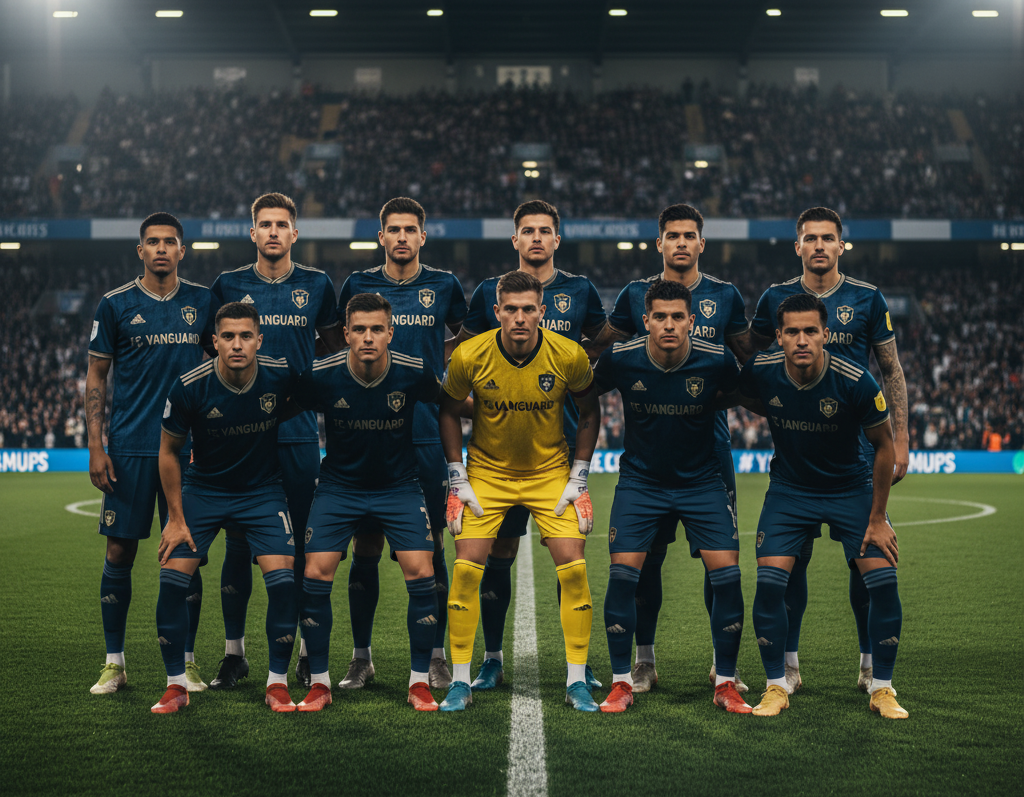
Football might look simple when you first watch it, but every player on the pitch has a specific role. Understanding each position in football is the first step for new fans, aspiring players, and even bettors trying to make sense of team lineups. In this guide, we’ll break down every role, from the goalkeeper to the striker, and explain how each position shapes the game.
Goalkeeper – The Last Line of Defense
The goalkeeper is the only player allowed to use their hands, but their job is about far more than stopping shots. Modern keepers command their penalty area, organize defenders, and start counterattacks with quick distribution. In recent years, the “sweeper keeper” has emerged, think of Manuel Neuer for Germany or Ederson at Manchester City, where the goalkeeper almost acts like an extra defender, rushing off the line to intercept passes.
Without a strong presence between the posts, even the best outfield players struggle to feel secure. This makes the goalkeeper arguably the most specialized position in football.
![[object Object]](https://cdn.sanity.io/images/5gkjmhor/production/a9fe846af407dec47954870c83cbe4ed804ef1ac-1440x960.png)
Defenders – Protecting the Backline
Centre-Backs
The traditional image of a defender is the centre-back: tall, strong, and ready to head away danger. Their main duties are simple yet crucial, marking strikers, winning aerial battles, and cutting off dangerous passes. Players like Virgil van Dijk or Paolo Maldini built reputations as unshakable anchors at the heart of defense.
Full-Backs and Wing-Backs
Once seen as purely defensive, full-backs now carry heavy attacking responsibilities. Modern examples like Trent Alexander-Arnold and João Cancelo show how defenders can double as playmakers. The evolution of the full-back role in football has blurred the line between defender and midfielder, with wing-backs often running the full length of the pitch.
Midfielders – The Engine Room
Midfield is where the game’s tempo is set. Midfielders must defend, attack, and do everything in between.
- Defensive Midfielders: Known as “holding midfielders,” they break up attacks and shield defenders. Casemiro and N’Golo Kanté are classic examples.
- Box-to-Box Midfielders: Tireless runners like Steven Gerrard or Luka Modrić connect defense to attack, covering every blade of grass.
- Attacking Midfielders: Often wearing the legendary number 10 shirt, attacking midfielders like Kevin De Bruyne or Mesut Özil create chances, deliver killer passes, and link directly with forwards.
The balance of midfield roles often decides whether a team controls a game or struggles to keep up.
Forwards – The Game Changers
Wingers
The job of the winger has always been to stretch defenses, but today they also cut inside to score. Lionel Messi redefined the role from the right wing, while Mohamed Salah and Neymar continue the tradition of wide players being match-winners.
Strikers
The striker lives for goals. Whether it’s Erling Haaland’s raw finishing or Robert Lewandowski’s intelligent positioning, the striker’s role is to stay sharp, anticipate chances, and deliver the knockout blow. It’s the most glamorous football position, but also one of the most pressurized.
Recommended: Erling Haaland becomes Quickest to 50 Champions League Goals – How he compares to Mbappé, Ronaldo and Messi
Modern Hybrid Roles
Football today is more fluid than ever. Positions overlap, and players adapt to multiple roles depending on tactics. The “false 9,” for instance, is a forward who drops deep to create space and confuse defenders. Lionel Messi’s role at Barcelona popularized it. Similarly, the “inverted full-back” — like João Cancelo drifting into midfield, shows how traditional positions are constantly being reimagined.
Understanding these hybrids is key for fans who want to keep up with tactical innovations discussed in modern football news.
Choosing the Best Position in Football
For players, choosing a position depends on both skillset and personality:
- Strong reflexes and leadership? Goalkeeper might be your calling.
- Physical strength and tactical awareness? Centre-back suits you.
- Endless energy and versatility? A box-to-box midfielder role fits.
- Speed and flair? A winger’s role is perfect.
Beginners often try different roles during training before finding their natural fit. Coaches also play a big part in guiding players toward the best position in football for their attributes.
Why Learning Positions Matters
When you know each football position explained, matches suddenly feel richer. Watching a defender step up to intercept or a midfielder press high makes sense in the bigger picture. Fans gain a tactical eye, while players develop appreciation for teamwork. Even bettors and analysts rely on positional understanding when evaluating teams.
And as platforms like sportsligue.com continue to provide up-to-date coverage of matches, formations, and tactics, understanding positions turns football from a casual pastime into a more immersive experience.
Final Thoughts
Every player has a place, and every position tells a story. From the sweat-soaked goalkeeper keeping hope alive, to the striker who wins the game with one chance, football thrives on the diversity of roles. Learning the details of each position in football not only makes you a better player or fan but also deepens your love for the game itself.
The next time you watch a match or scroll through the latest football news, notice the subtle work of every position. You’ll never see the beautiful game the same way again.
Tags

SportsLigue