
What is the NFL Franchise Tag? How it works and why teams use it
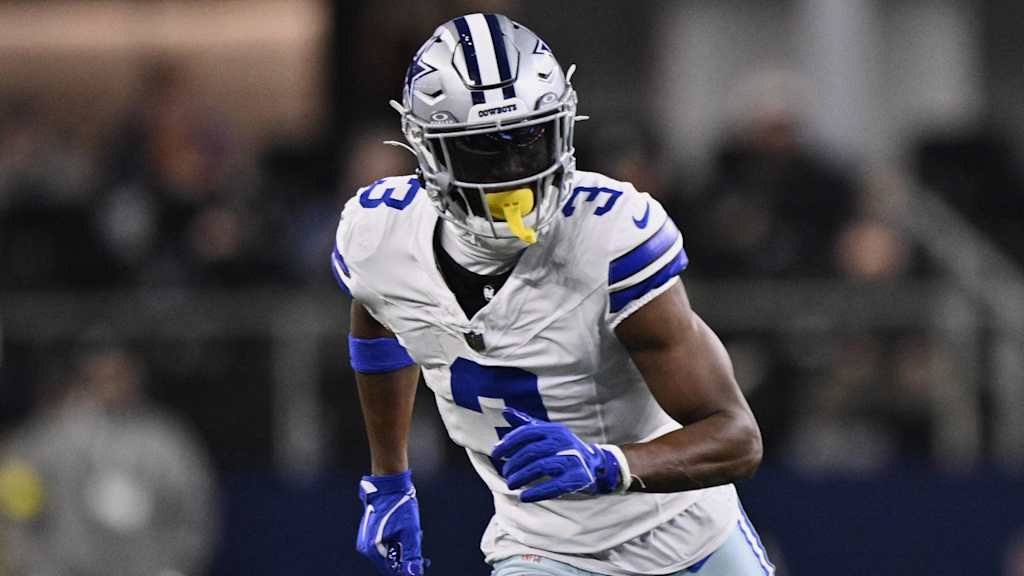
The offseason in the National Football League always brings major roster decisions, and one of the most powerful tools teams can use is the franchise tag.
Shortly after Super Bowl LX concluded, the league officially opened its 2026 franchise tag window on February 17, giving teams two weeks to apply the tag to players with expiring contracts.
The deadline to place the tag is March 3 at 4 p.m. ET, after which tagged players remain tied to their teams unless a new contract or trade is negotiated. For fans trying to understand the NFL offseason, the franchise tag often sparks confusion. Here’s a simple breakdown of what it is, how it works, and why teams use it.
- Related Article: Dallas Cowboys place franchise tag on Pro Bowl WR George Pickens
What is the NFL Franchise Tag?
The franchise tag is a contract designation that allows a team to keep a key player from entering unrestricted free agency. When a player receives the tag:
- They are offered a one-year contract
- Their salary is calculated using league formulas tied to top salaries at their position
- The team retains control of the player for that season
In most cases, the tag acts as a temporary solution while negotiations continue on a long-term deal. Teams often use the franchise tag on star quarterbacks, wide receivers, pass rushers, and elite defensive players who are considered too valuable to lose.
- Related Article: Seahawks RB Kenneth Walker III named MVP of Super Bowl LX
The Three Types of NFL Franchise Tags
There are three different versions of the tag, each offering varying levels of team control and player freedom.
Non-Exclusive Franchise Tag
The non-exclusive franchise tag is the most commonly used.
Under this tag:
- The player can negotiate with other teams
- If another team signs the player to an offer sheet, the original team can match the deal
- If they decline, they receive two first-round draft picks as compensation
Because it protects the team while still allowing negotiations, most tagged players fall under this category.
Exclusive Franchise Tag
The exclusive tag is much stricter. With this tag, the player cannot negotiate with other teams. Their salary is based on the top five salaries at their position for the current season. This version is rarely used and usually reserved for elite franchise players.
Transition Tag
The transition tag sits somewhere in the middle.
It allows:
- The player to seek offers from other teams
- The original team to match any offer
However, if the team chooses not to match, the player can leave without any compensation.
Because of that risk, the transition tag is far less common.
How much do Players earn on the Franchise Tag?
The salary attached to a franchise tag varies depending on the player’s position.
Non-Exclusive Tag Value
The salary equals the greater of the average of the top five salaries at the position over the past five seasons, or 120% of the player’s previous salary
Exclusive Tag Value
The exclusive tag salary equals the greater of the average of the top five salaries at the position for the current season, or 120% of the player’s previous salary. This generally results in a higher payout than the non-exclusive tag.
Transition Tag Value
The transition tag pays the average of the top 10 salaries at the player’s position.
Can a Player be tagged more than once?
Yes, but it becomes increasingly expensive. NFL teams can use the franchise tag up to three times on the same player, with rising salary requirements:
- Second tag: 120% raise from previous salary
- Third tag: 144% raise
Because of the escalating cost, teams rarely tag a player more than twice.
What happens after a Player is tagged?
Once the tag is applied, the player and team have until July 15 to negotiate a long-term contract extension. If they fail to reach a deal by that date, the player must play the season on the one-year franchise tag. Alternatively, the player may hold out, though that often results in lost salary. Many teams use the tag as a negotiation bridge, buying time to finalize long-term deals.
Why the Franchise Tag remains controversial
While teams see the franchise tag as a valuable roster tool, players often view it differently. Critics argue the tag limits players’ free-agency opportunities, prevents them from securing long-term financial security and gives teams significant negotiating leverage. Supporters say it helps maintain competitive balance and allows teams to retain key stars without losing them for nothing.
Why the Franchise Tag matters during the NFL Offseason
The franchise tag window is one of the first major milestones of every NFL offseason. It sets the stage for:
- Free agency decisions
- Contract negotiations
- Trade speculation
- Roster planning
For fans and analysts alike, the tag can signal which players a franchise views as essential to its future. And with the NFL continuing to grow globally, these decisions often shape the league’s biggest storylines long before the next season kicks off.
Tinu Brown