
What is the Carabao Cup? History, Format, Winners and why it still matters
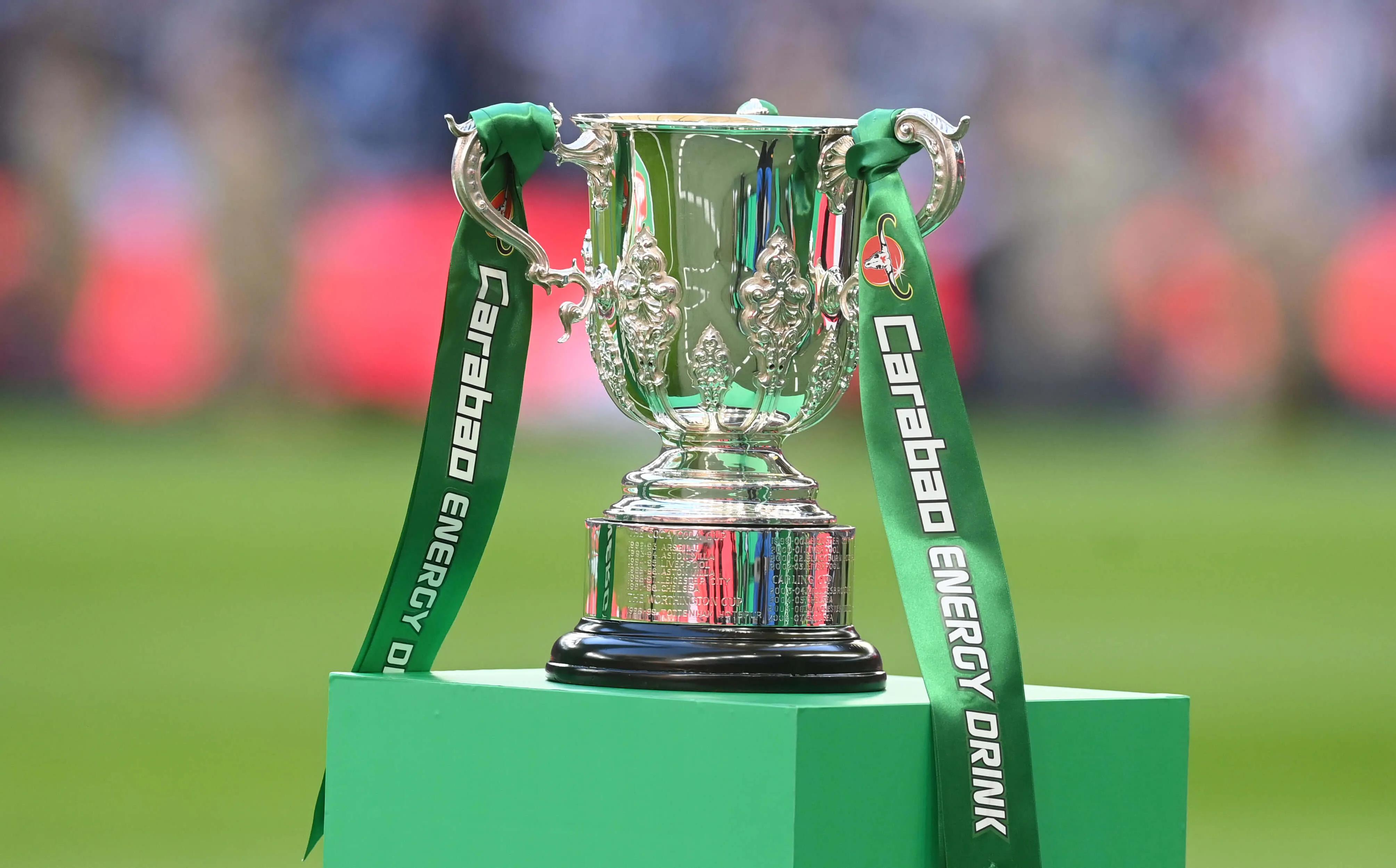
The Carabao Cup, officially known as the EFL Cup, is one of the three major domestic trophies in English football. While it may not always command the same prestige as the Premier League or FA Cup, the competition has carved out its own identity: fast-paced, unpredictable, and often the stage where future stars first shine.
How the competition works
The Carabao Cup follows a straight knockout format, making every match decisive from the outset.
- The tournament begins in August
- All 92 clubs from the English football pyramid participate
- Premier League teams enter in Round Two
- Clubs involved in European competitions join in Round Three
- Semi-finals are played over two legs
- The final is held at Wembley Stadium
The winner earns a place in the UEFA Europa League, adding a valuable European incentive.
- Read also: Arsenal vs Manchester City: Carabao Cup Final Preview, Team News, Head-to-Head & Where to Watch
A competition born from change
The idea for the competition dates back to the early 1960s and was championed by Alan Hardaker, then secretary of the English Football League.
It emerged from broader proposals to reshape English football. While structural league changes were rejected, the concept of an additional knockout competition gained traction.
The introduction of floodlights also played a crucial role, allowing midweek fixtures and making the tournament viable.
A Legacy of drama and opportunity
Since its first edition in 1960/61, the Carabao Cup has delivered countless memorable moments. It has also become known as a proving ground for emerging talent.
Several legendary players took their first steps in professional football through the competition, including Cesc Fàbregas, John Terry, David Beckham, and Wayne Rooney. Rooney, in particular, announced himself by scoring his first professional goal for Everton in the competition, an early glimpse of a remarkable career.
The First Sponsored Competition
In 1981, the tournament made history by becoming the first major English football competition to adopt a title sponsor. That move transformed how football competitions were commercially structured, paving the way for modern sponsorship models across the sport.
The Most Successful Clubs
Liverpool remain the most successful club in the competition’s history, having lifted the trophy multiple times across different eras.
The tournament has also produced historic moments for clubs outside the traditional elite. Most recently, Newcastle United ended a 70-year domestic trophy drought by winning the cup, underlining the competition’s unpredictability.
Why the Carabao Cup still matters
In an era dominated by global competitions and packed schedules, the Carabao Cup continues to hold unique value:
1. A Pathway for Young Talent
Managers often rotate squads, giving academy players and emerging stars vital first-team experience.
2. A Realistic Trophy Opportunity
For many clubs, especially those outside the traditional top six, it offers a genuine shot at silverware.
3. Early-Season Momentum
Winning the competition can set the tone for the rest of the campaign.
4. European Qualification
A place in continental competition adds both prestige and financial reward.
A Competition That Keeps Evolving
Despite debates about its relevance, the Carabao Cup continues to adapt while staying true to its core identity, fast, unpredictable knockout football. As Trent Alexander-Arnold once noted, it remains a special competition largely because it provides opportunities for young players to step into the spotlight.
And in a sport increasingly driven by global stars and financial power, that role has never been more important.

SportsLigue